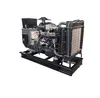
Forestry Machinery
Forestry Machinery: The Ultimate Guide to High-Performance Equipment
Forestry machinery plays a crucial role in modern timber harvesting and land management operations. Whether you're looking for harvesting equipment, skidders, or wood chippers, selecting the right forestry machinery can significantly improve productivity and operational efficiency.
Key Features of Our Forestry Machinery
- Heavy-duty construction for rugged terrain
- Advanced hydraulic systems for precise control
- Fuel-efficient engines with low emissions
- Ergonomic operator cabins with noise reduction
- Smart technology for performance monitoring
Product Specifications
| Model | Engine Power | Cutting Capacity | Weight | Fuel Consumption |
|---|---|---|---|---|
| FM-450 | 250 HP | 24-inch diameter | 15,000 lbs | 6.5 gal/hr |
| FM-600 | 350 HP | 30-inch diameter | 18,500 lbs | 8.2 gal/hr |
| FM-800 | 450 HP | 36-inch diameter | 22,000 lbs | 10.5 gal/hr |
Forestry Machinery FAQ
Q: What maintenance does forestry machinery require?
A: Regular maintenance for forestry machinery includes daily inspections of hydraulic systems, weekly lubrication of moving parts, monthly engine service checks, and annual comprehensive overhauls. Always follow the manufacturer's maintenance schedule and use recommended fluids and filters to ensure optimal performance.
Q: How long does forestry machinery typically last?
A: With proper maintenance, high-quality forestry machinery can last 10-15 years or 10,000-15,000 operating hours. The lifespan depends on operating conditions, maintenance practices, and the intensity of use. Regular component replacements and technology upgrades can extend the service life.
Accessories and Attachments
- Grapples and clamps for secure log handling
- Mulching heads for vegetation management
- Stump cutters for land clearing
- Winches for steep terrain operations
- Protective cab screens for operator safety
Safety Features
| Feature | Description | Benefit |
|---|---|---|
| ROPS/FOPS | Rollover and falling object protection | Operator safety in hazardous conditions |
| Emergency Stop | Instant system shutdown | Prevents accidents during emergencies |
| Fire Suppression | Automatic detection and extinguishing | Reduces fire risk in dry conditions |
Forestry Machinery FAQ
Q: What training is required to operate forestry machinery?
A: Operators should complete manufacturer-specific training, obtain relevant certifications (such as OSHA in the US), and receive hands-on instruction. Training typically covers machine operations, safety procedures, maintenance basics, and emergency protocols. Many manufacturers offer operator training programs with their equipment purchases.
Choosing the Right Forestry Machinery
When selecting forestry machinery, consider:
- Terrain type and working conditions
- Tree species and size requirements
- Production volume targets
- Transportation and logistics constraints
- Long-term maintenance costs
Technology Advancements
| Technology | Application | Impact |
|---|---|---|
| GPS Tracking | Machine location and productivity monitoring | Improved fleet management |
| Automated Cutting | Precision harvesting | Increased yield and reduced waste |
| Remote Diagnostics | Predictive maintenance | Reduced downtime |
Conclusion
Investing in quality forestry machinery is essential for any professional logging operation. By understanding the specifications, features, and maintenance requirements, you can select equipment that delivers maximum productivity and longevity. Always prioritize safety features and operator training to ensure efficient and secure operations in challenging forest environments.