blog

Best Megasonic Wafer Cleaning System for Reliable Particle Removal

Best Megasonic Wafer Cleaning System for Reliable Particle Removal

2026-10-24

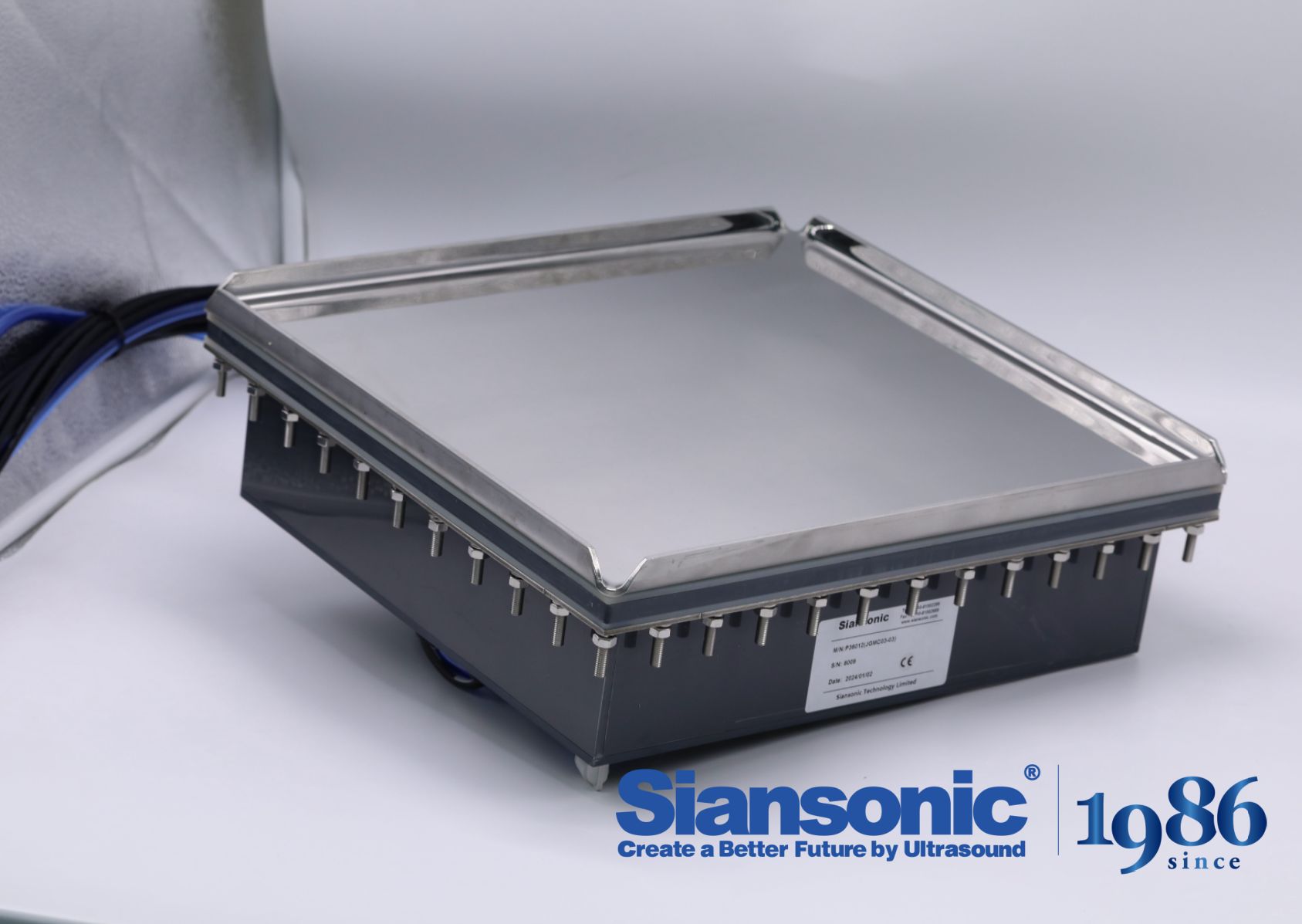
Semiconductor fabs keep losing yield to particle contamination—sub-100nm defects that slip past conventional wet cleans and wreck advanced devices. Megasonic wafer cleaning was supposed to fix this, yet many systems still deliver patchy particle removal and force repeated re-clean cycles. If you’re done accepting that trade-off, this article looks at what actually separates a dependable megasonic tool from the rest. It covers Siansonic’s approach, which combines uniform acoustic energy with controlled fluid delivery to strip particles without damaging fragile patterns. You’ll see why energy distribution, transducer placement, and process stability matter more than marketing specs, and how those factors translate into higher removal efficiency and fewer defects. Whether you’re upgrading a line or planning a new fab, the practical insights here can help you avoid the yield loss that comes from choosing the wrong cleaning platform. No fluff—just the engineering details that affect your defect counts on the line.

Read More

OEM Agricultural Machinery Parts That Deliver Long-Lasting Performance in the Field

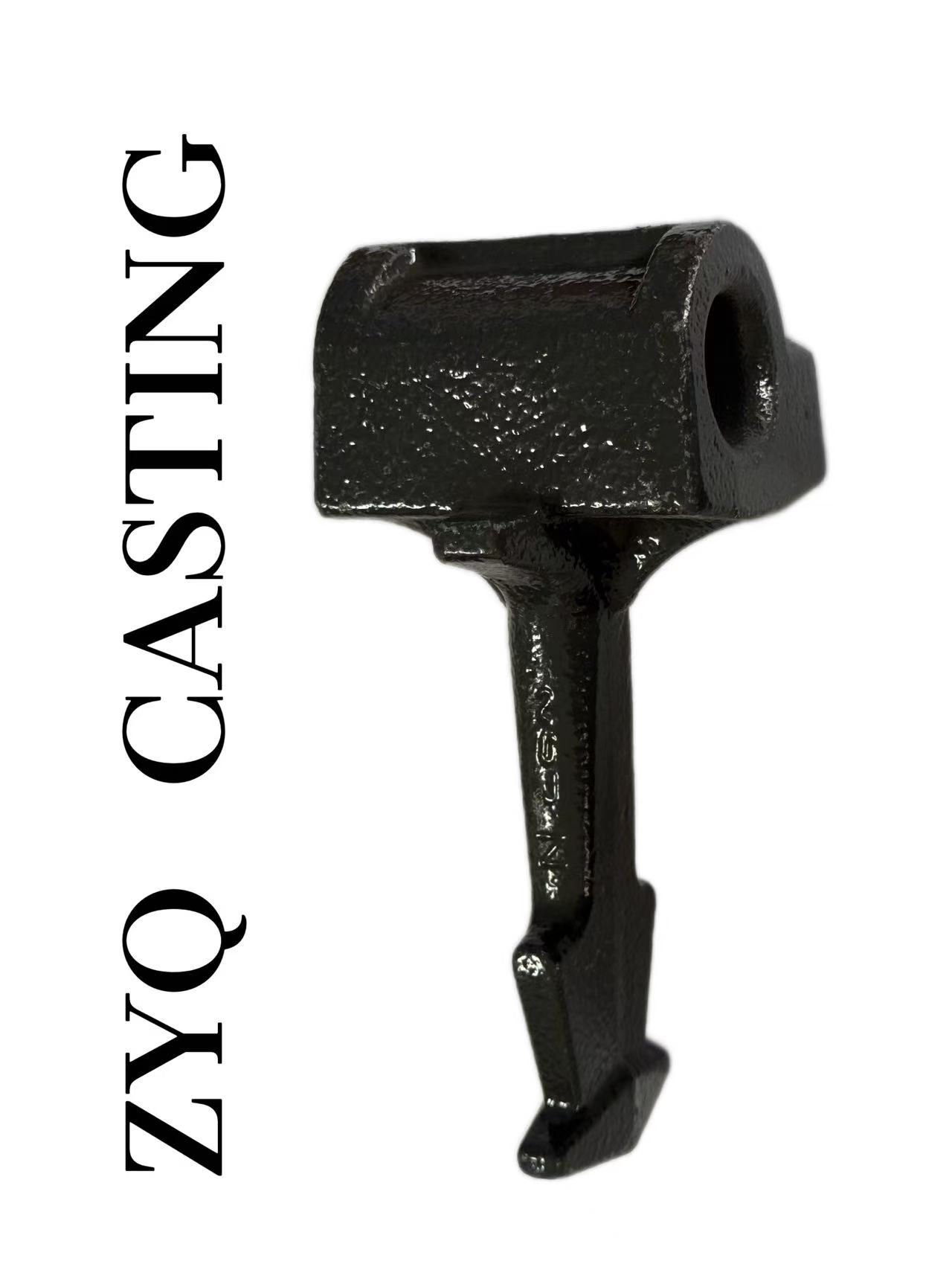
OEM Agricultural Machinery Parts That Deliver Long-Lasting Performance in the Field

2026-10-23

Every hour lost to a cracked casting or worn coupler doesn't just show up as downtime on a repair log—it quietly eats into your yield, one stalled pass at a time. This piece explains why serious growers are looking beyond generic replacements and choosing OEM agricultural machinery parts that stay reliable season after season, even under heavy use, rather than gambling on parts that fail mid-season. It highlights Zhaoyuqi's approach: building to exact original specifications, with ductile iron strength, precise fit, and long-term durability, from material selection to final machining. The payoff is less time spent wrenching on equipment and more time working the field. If repeated part failures have been draining your operation, this short introduction shows what to look for in parts that actually hold up—and why the right choice pays off long after the purchase. That means fewer breakdowns, fewer midday repairs, and more acres covered.

Read More
China Filling Machine Solutions: What to Consider Before You Buy

China Filling Machine Solutions: What to Consider Before You Buy

2026-10-19

Most buyers start by comparing sticker prices, but the true cost of a Chinese filling machine often appears only after installation. Accuracy tolerances quietly determine how much product you lose or give away with every cycle. Container compatibility can turn a bargain into a retrofit nightmare if neck finishes, materials, or fill volumes don't match your line. Then there's spare parts availability—without local support or a clear supply chain, downtime becomes expensive fast. This article cuts through sales chatter and focuses on what actually separates a smooth commissioning from a costly learning curve. You'll see why low upfront quotes rarely reflect real operating expenses, and how to evaluate a machine beyond the spec sheet. Wanying Machinery walks through the practical checks that matter before you request a quote, so your next purchase decision is based on long-term performance rather than a tempting price. If you're sourcing filling equipment, ten minutes here can save you months of regret.

Read More
Custom Rotary Engraving Material Factory Delivers Premium Blanks for Precision Projects

Custom Rotary Engraving Material Factory Delivers Premium Blanks for Precision Projects

2026-10-16

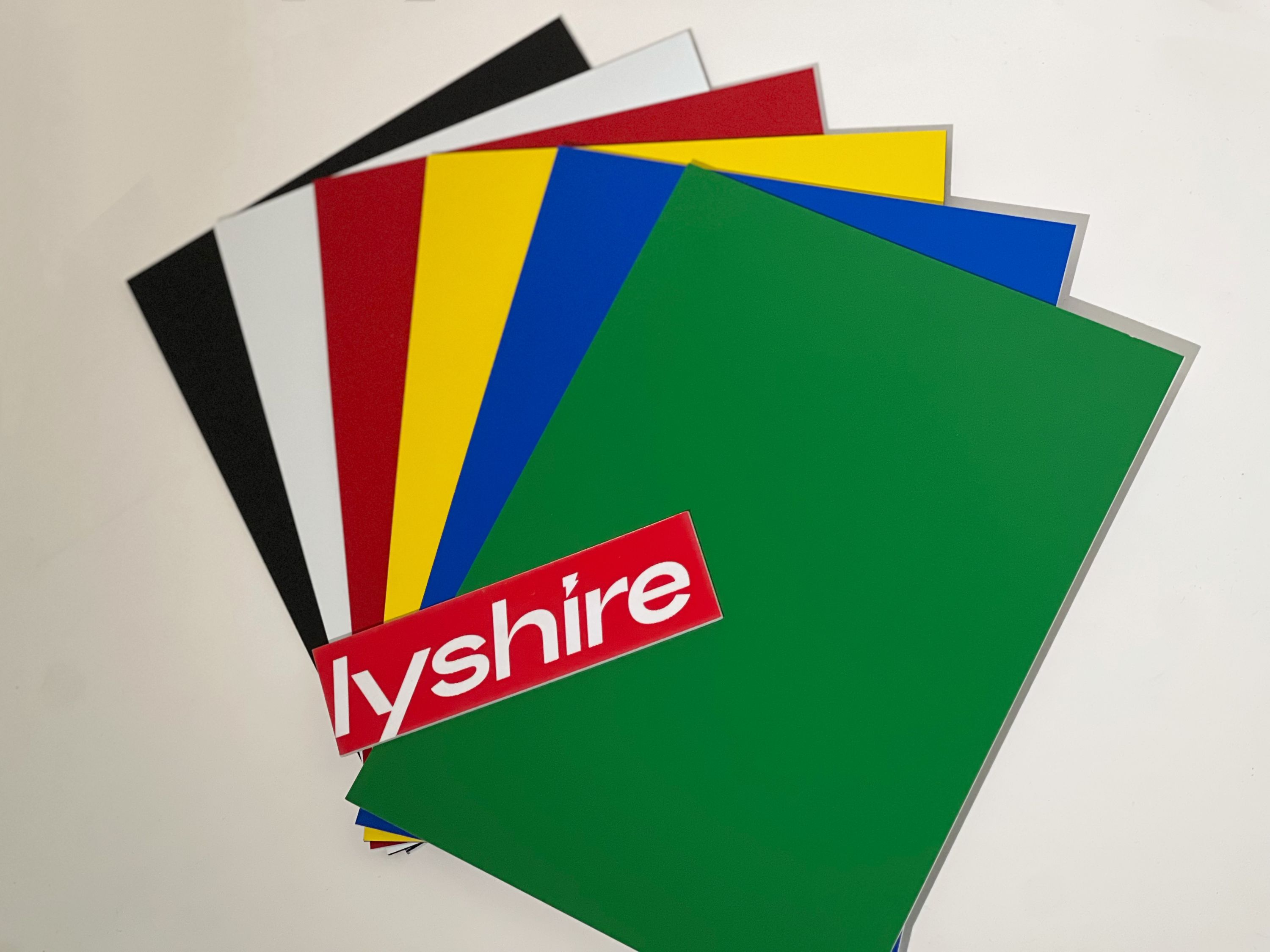
Any rotary engraver has felt the sting of a blank that won't cooperate—edges that chip under fine bits, surfaces that drag and smear, or stock so uneven you lose half your detail before the first pass is done. LYSHIRE turns that frustration on its head by producing custom engraving substrates in their own factory, not through third-party suppliers. Every blank leaves the line with tolerances measured in fractions of a millimeter and a surface finish clean enough for even the most delicate line work. Whether you're cutting dense nameplates, control panel overlays, or sculptural one-off pieces, the difference is immediate: your tool moves without resistance, your cuts stay crisp, and your finished part looks exactly as designed. In the sections ahead, we break down why in-house manufacturing matters, what their quality controls actually catch, and how the right substrate can transform a good engraving into a truly flawless one.

Read More
TECO Electromotor Vendor: How to Select a Reliable Supplier

TECO Electromotor Vendor: How to Select a Reliable Supplier

2026-10-13

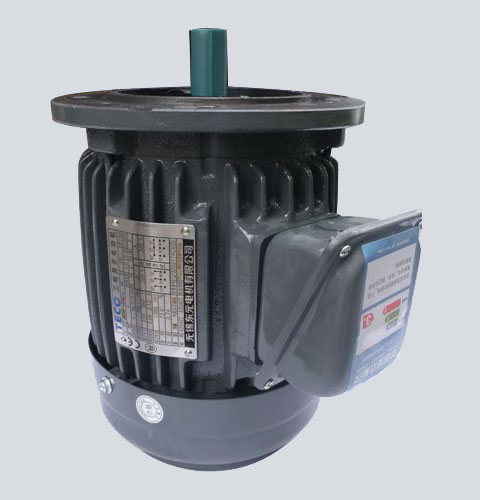
Plenty of buyers assume a polished website means a TECO electromotor supplier is dependable. Practical sourcing, however, quickly separates image from reality. What actually matters are lead times, the quality of technical support, and how a vendor responds after the sale—none of which show up in a product catalog. This piece pulls apart the difference between a partner you can rely on and a gamble that can disrupt your operations. It moves beyond the usual sales talk and looks at concrete signs of reliability, then puts Soochee under the same lens to see whether it earns a place on your shortlist. Expect no vague reassurance—just the specific benchmarks that experienced buyers use to avoid costly procurement mistakes and keep their production lines moving without unnecessary downtime. If you are planning your next motor purchase, the criteria covered here will help you make a decision you won't regret six months down the road.

Read More
Choosing a Video Measuring System for Your Application

Choosing a Video Measuring System for Your Application

2026-10-07

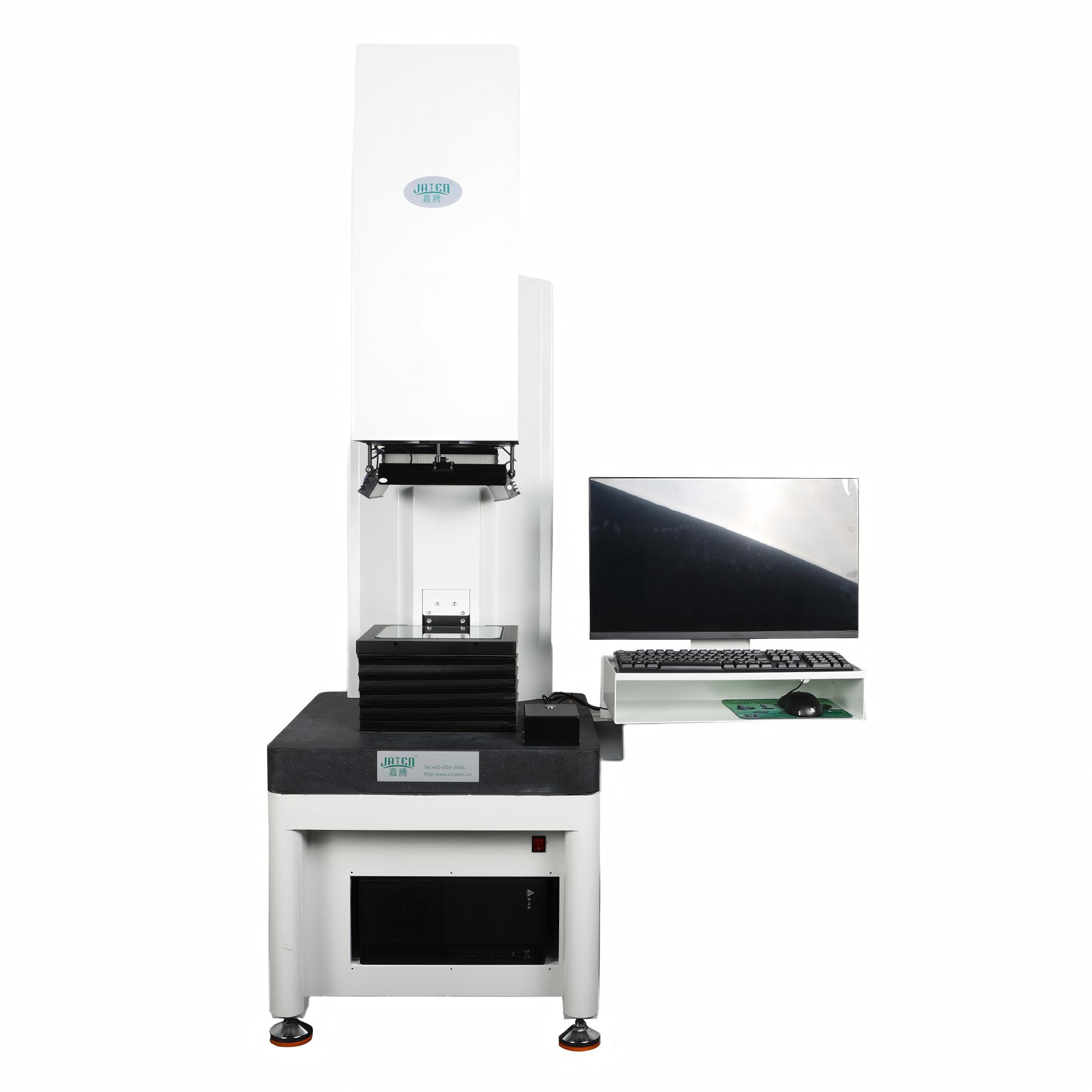
Choosing a video measuring system often starts with a simple need—checking a few critical dimensions—and quickly turns into a maze of specs, software options, and price points. The options can look similar on paper, yet perform very differently once installed. Many teams end up with equipment that either stretches the budget for unused capability or quietly misses the tolerances their parts require. Drawing on hands-on project work at JATEN, this piece cuts through the noise and focuses on what actually drives a good decision: part size and geometry, tolerance limits, environmental conditions, and how the system will fit into daily workflows. It highlights why factors like lighting configuration, stage travel, and measurement software usability can matter more than raw resolution numbers. Instead of another generic buyer’s checklist, you get a practical framework for matching system strengths to real inspection tasks—helping you avoid costly over-specification and under-performance before you commit.

Read More