
Best Press Brake Manufacturing: Key Factors for Quality and Performance
2026-08-05
In the competitive world of metal fabrication, the choice of press brake manufacturer can make or break your production efficiency. As demand for precision and durability soars, understanding the key factors behind quality manufacturing is no longer optional—it's essential. From advanced CNC controls to robust frame construction, every detail matters. At the forefront of this industry, JIAN MENG has carved a reputation for excellence, blending innovation with relentless quality checks. But what truly sets a top-tier press brake apart? Dive into our guide as we dissect the elements that define performance and reveal how the right partner can transform your bending operations.
Structural Integrity from Superior Materials
The backbone of any resilient build lies in the quality of its core components. We source high-grade alloys and composites that are rigorously tested for tensile strength and fatigue resistance, ensuring that every frame and joint can withstand years of heavy use without compromising form or function. The selection process prioritizes materials with a proven track record in demanding industrial applications, so the final product not only meets but exceeds standard durability benchmarks.
Beyond raw strength, our approach to structural integrity focuses on how different materials interact under stress. By carefully matching thermal expansion coefficients and hardness levels, we eliminate weak points that typically emerge at connection interfaces. This synergy between components results in a cohesive whole that distributes loads evenly, preventing the localized degradation that often plagues lesser constructions. It’s a subtle but critical advantage that becomes apparent over time.
Real-world longevity comes from anticipating failure modes before they appear. We incorporate protective coatings and surface treatments that guard against corrosion, abrasion, and environmental wear—silent killers of structural integrity. The attention to these details means that the initial investment in superior materials translates directly into reduced maintenance costs and a longer service life, giving you peace of mind that the core framework remains solid decades down the line.
Precision-Crafted Motion Systems
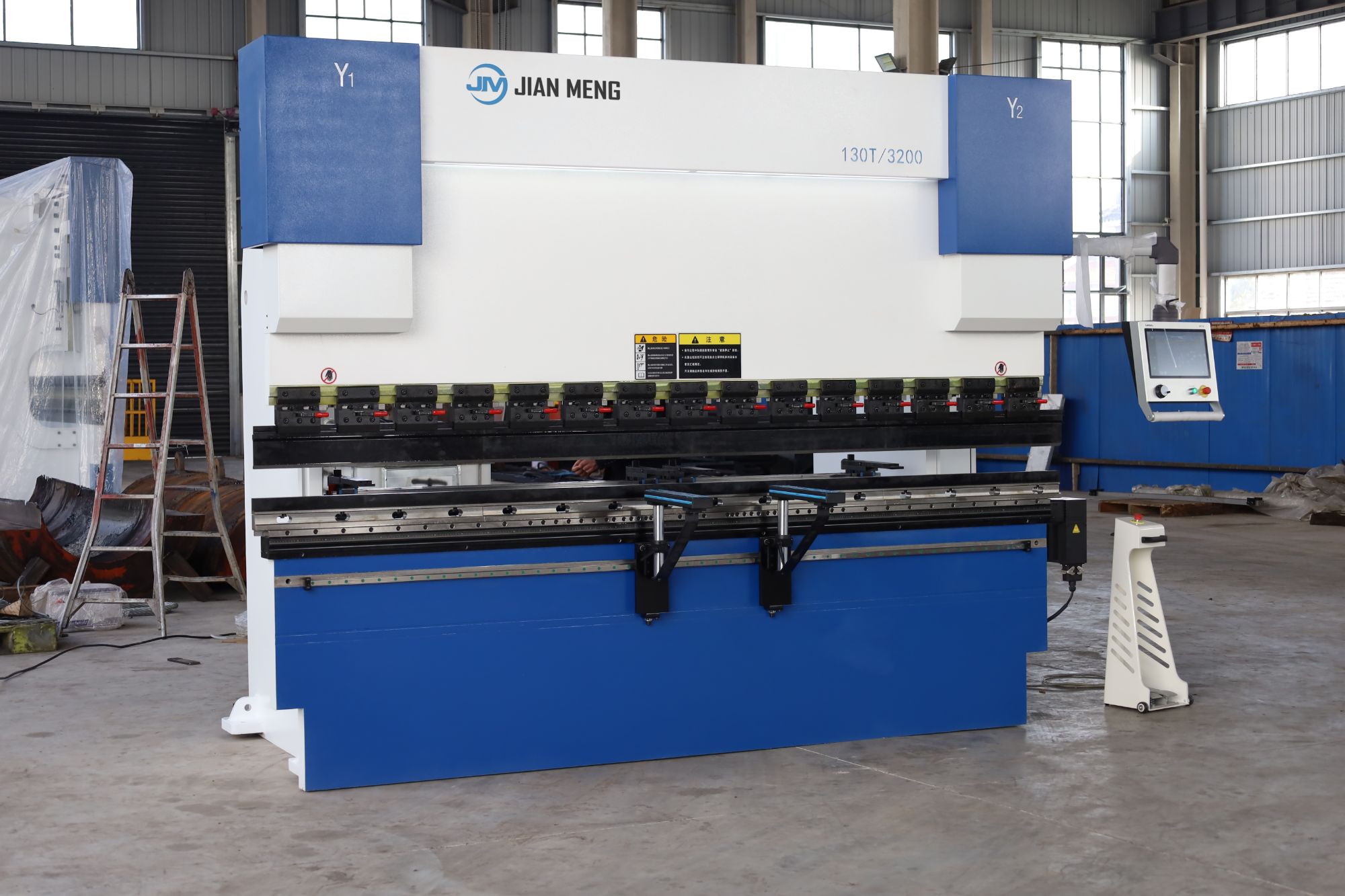
Every moving part in our systems begins as a block of uncompromised engineering. We mill, align, and test each component to tolerances that most would consider obsessive, not because the specifications demand it, but because smooth motion leaves no room for approximation. Wear surfaces are matched not just by size, but by grain orientation and thermal behavior, so a slide glides the same at startup as it does hours into a demanding cycle.
Where typical designs rely on hoping that enough lubrication will mask imperfections, we’ve eliminated the need for such contingencies. Material pairings are chosen for their natural affinity under load, often using combinations that were once reserved for optical or aerospace applications. The result is a system that moves with a quiet, almost self-correcting cadence, requiring little more than an occasional check to keep it at full accuracy.
It’s not unusual for these assemblies to outlast the machines they’re built into. That longevity doesn’t come from a single breakthrough, but from a culture of refinement where even the chamfer on a rail mount is considered. When you initiate a move, there’s no hesitation, no stiction to overcome—just immediate, repeatable response that feels less like commanding a mechanism and more like extending your own intent into the workpiece.
Intelligent Control for Seamless Operation
Intelligent control redefines what it means to keep systems running without interruption. It doesn't just react to changes—it anticipates them, using real-time sensor data and adaptive algorithms to adjust parameters before a hiccup occurs. Think of a production line that automatically recalibrates motor speeds the moment a minor friction increase is detected, preventing a micro-stall that could cascade into downtime. This isn't about scheduled checkups; it's a continuous, fluid orchestration where every component communicates and corrects on the fly.
What sets modern approaches apart is the shift from rigid presets to context-aware logic. Instead of following a fixed script, the control layer interprets subtle patterns—like slight temperature shifts or voltage fluctuations—and reshapes its own behavior to match. The result is an operation that feels almost instinctive, where the heavy lifting happens behind the scenes, and operators can focus on broader tasks without constantly monitoring for disruptions.
Users experience the outcome as a product that simply works, not as a collection of alerts and manual overrides. The seamless flow comes from a deeply integrated intelligence that handles complexity so the human doesn't have to. Whether in a smart building silently balancing energy loads or a robotic arm maintaining precision across thousands of cycles, the ultimate goal is the same: making the transition from one state to another so smooth that the absence of friction becomes the most noticeable feature.
Tooling Innovations for Diverse Bends
The evolution of press brake tooling has opened doors to geometries once deemed impractical. Today’s segmented punches and rotating-die systems let operators form complex bends without the constant tool swaps that used to drain production hours. Instead of wrestling with bend deductions, tool marks, or that dreaded springback on exotic alloys, shops are leaning on tailored solutions—like adjustable V-dies and polyurethane bottoming pads—that adapt to the material, not the other way around.
Where things get interesting is in the convergence of additive manufacturing with tooling design. 3D-printed back gauges and custom lower die inserts aren’t just faster to produce; they unlock intricate bend sequences on thinner, harder materials that traditional machining couldn’t touch without cracking the workpiece. One operator recently showed me a set of aluminum-bronze tooling, deposited layer by layer, that handles hairpin bends on spring steel without a whisper of galling.
The quiet breakthrough, though, is in software-driven adaptive tooling. Tools that communicate bend-angle data back to the controller in real time, adjusting ram depth on the fly, are erasing the trial-and-error from tight-tolerance jobs. It’s less about brute force and more about a kind of mechanical empathy—the machine reading the bend as it forms, fine-tuning pressure and speed to hug the perfect radius without overworking the grain. That’s the difference between a bent part and a bend well made.
Operator Safeguards Built into Design
From the very first schematic sketches, our engineering teams weave protective measures directly into the machine's framework. Rather than treating safety as an afterthought bolted on after assembly, we embed it into the geometry of load-bearing structures and the sequencing of control logic. This means that even under unexpected operating conditions—power fluctuations, software anomalies, or human error—the system defaults to a safe state without relying on a network of add-on sensors or external interlocks. By integrating guard channels at the silicon level and routing critical stop functions through dedicated hardwired paths, we eliminate whole categories of failure that traditional retrofitted protections can't address.
The result is a machine that actively refuses to put itself or its operator in harm's way. Over-speed conditions are physically impossible due to gear train ratios and flywheel geometries chosen specifically to cap kinetic energy. High-temperature zones are designed with expanding air gaps that break thermal pathways long before any surface becomes dangerously hot. Even routine maintenance tasks are guided by deliberately shaped access panels that make it physically impossible to reach a moving part without first tripping a non-bypassable isolation switch. These aren't simulations or theoretical ideals; they're concrete design choices forged through decades of field data and rigorous destructive testing.
Such an approach fundamentally changes how operators experience the equipment day to day. There's no suite of alarms to fatigue, no temptation to override a nuisance trip because the built-in limits are part of the machine's character, not a scolding add-on. When a safeguard is invisible and silent—until it saves a life—it earns a level of trust that bolted-on cages and warning stickers never can. It's a quieter, more durable form of protection, one that doesn't wear out with the wiring harness or get bypassed on the night shift.
Endurance Through Thoughtful Engineering
Longevity isn't achieved by overbuilding alone—it's the result of deliberate decisions made at every stage of design. By selecting materials that resist fatigue and corrosion, and by shaping components to distribute stress evenly, we build products that thrive under sustained use. The quiet confidence of a device that performs flawlessly year after year comes from this refusal to cut corners in places most people will never see.
Thermal management, often overlooked, plays a silent but critical role in endurance. Thoughtful routing of airflow, strategic placement of heat-dissipating elements, and careful calibration of power delivery prevent the slow degradation that heat can cause. This is engineering that respects the physics of wear, channeling energy where it's useful and shielding sensitive parts from its gradual toll.
Testing isn't a phase we rush through; it's woven into the fabric of development. Prototypes endure cycles that simulate years of real-world handling, exposing weak points before they become warranty claims. Every refinement—a subtly re-angled edge, a reinforced solder point, a dampening material added against vibration—emerges from this loop of relentless scrutiny. The result is more than reliability; it's a quiet promise kept over time.
FAQ
A top-notch manufacturer doesn't just assemble parts—they engineer every component with bending performance in mind. Look for a builder that uses finite element analysis to optimize frame rigidity and stress distribution. They'll often use proprietary crowning systems to compensate for deflection, and their machines will have thicker, better-machined rams and beds. You can also judge by how they handle installation and training: if they send experienced technicians and offer ongoing support, it's a good sign they stand behind their work.
The frame is the backbone of any press brake. When you're applying tons of force across a long bed, even tiny deflections can cause inconsistent bend angles along the workpiece. A heavy, well-ribbed frame made from high-quality steel, especially one that's been stress-relieved after welding, maintains alignment under load. Manufacturers that use monolithic or one-piece side housings instead of bolted-together sections eliminate potential looseness. This rigidity directly translates to better part accuracy and longer tool life.
Hydraulic systems are the muscle behind the machine, and their design determines how smoothly and consistently the ram moves. A quality manufacturer will use high-performance proportional valves and piston pumps that offer precise flow control, even at low speeds. The oil filtration and cooling system also matter—clean, cool oil prevents wear and erratic behavior. Some of the best builders integrate servo-driven pumps that reduce energy consumption and heat generation, which adds to long-term reliability.
A manufacturer serious about quality will offer a CNC system that's intuitive yet powerful. Features like automatic crowning compensation, real-time angle monitoring and correction, and 3D graphic simulation show they care about accuracy and ease of use. Look for controllers from established brands like Delem or Cybelec, but also check if the builder has customized the interface with pre-loaded bending libraries or specific algorithms for their machine dynamics. A well-integrated CNC can drastically reduce setup time and scrap.
Absolutely. Even the sturdiest press brake will underperform with poorly designed tooling. Top manufacturers often design their own clamping and tooling systems to ensure quick changeovers and perfect alignment. You'll see features like hydraulic or pneumatic clamping, self-seating tooling, and segmented sections that minimize deflection. The ability to handle a wide range of punch and die styles—from standard V-dies to hemming tools—and the precision of the tooling's ground surfaces all contribute to the final bend quality and production speed.
A reputable manufacturer will conduct thorough inspections before shipping. This usually includes checking ram parallelism under full load, measuring bed deflection, and cycling the machine through its speed range. They should also test the CNC's functionality, hydraulic pressure settings, and safety systems like light curtains. Some go further and run actual bending tests with different tooling setups, recording angles with laser or mechanical protractors. You should receive a detailed test report; if they're reluctant to share that data, consider it a red flag.
After-sales support is where many manufacturers differentiate themselves. A committed one will have a dedicated service team that responds quickly, not just a third-party contractor. They'll offer comprehensive training for your operators, not just a quick rundown. Check if they maintain a stock of critical spare parts and whether they provide remote diagnostics. Long-term availability of parts for older models is also a sign they build machines to outlast the competition, not to be disposable.
Durability starts with the raw materials. Look for frames made from ST44 or similar structural steel with high yield strength. The welds should be meticulously performed and then thermally stress-relieved to prevent future warping. Guideways and bearing surfaces should be hardened and ground for minimal friction. The use of bronze or composite wear strips on gibs, and chrome-plated cylinder rods in the hydraulic system, resist corrosion and wear. A manufacturer that's transparent about these details typically builds machines that can run multiple shifts for 20 years or more.
Conclusion
At the heart of any top-tier press brake lies a commitment to structural integrity through the use of premium materials, where robust frames and carefully selected steel alloys resist deflection under immense tonnage, ensuring consistent bend angles over decades of operation. This foundation is brought to life by precision-crafted motion systems—whether hydraulic, electric, or hybrid—that deliver ram movement with microscopic accuracy, eliminating chatter and overshoot. Paired with intelligent controls that learn from each stroke, operators can program complex sequences intuitively, reducing setup time while maintaining repeatability across low- and high-volume runs.
Beyond the machine core, real-world performance depends on versatile tooling that accommodates everything from delicate flanges to deep boxes without excessive changeover, while built-in safeguards—such as light curtains and two-hand controls—protect the workforce without slowing pace. The most enduring designs go further, anticipating thermal drift, wear patterns, and maintenance access, so that after millions of cycles the press still feels dialed-in. These intertwined elements elevate a good press brake into a reliable production asset that shapes metal with both power and finesse.
Contact Us
Contact Person: Jeanie
Email: [email protected]
Tel/WhatsApp: +86 19805122954
Website: https://www.jianmeng.com