
Best UL FM Gate Valve: Top Guide for Efficient Fire Safety Solutions
2025-12-23
Fire safety is a critical priority in both residential and commercial settings, where every component matters. One key element often overlooked is the gate valve, which can make or break fire protection systems. In this guide, we explore the best UL FM gate valves, designed to enhance efficiency and reliability in fire safety solutions. We'll dive into features, performance, and selection tips to help you make informed decisions. As a leader in this field, DRIFCO has consistently delivered top-tier products that meet stringent standards. Join us as we uncover insights that could safeguard your property and peace of mind, setting the stage for a detailed exploration ahead.
Understanding the Critical Role of UL FM Gate Valves in Modern Fire Safety Systems
In today's complex fire safety infrastructures, UL FM gate valves serve as more than just flow control devices; they're the linchpins that ensure reliability during emergencies. Unlike standard valves, these specialized components undergo rigorous testing by both UL (Underwriters Laboratories) and FM Global, meeting stringent standards for durability and performance under duress. This dual certification means they can withstand high-pressure scenarios and corrosive environments common in fire suppression systems, such as those in high-rise buildings or industrial facilities, reducing the risk of failure when every second counts.
What sets UL FM gate valves apart is their ability to integrate seamlessly with automated fire detection systems, enabling rapid response without manual intervention. In modern setups, these valves often feature smart monitoring capabilities, alerting maintenance teams to potential issues like leaks or blockages before they escalate. This proactive approach not only enhances safety but also minimizes downtime and repair costs, making them a cost-effective investment in long-term fire protection strategies. By ensuring consistent water or chemical agent delivery, they help maintain the integrity of sprinkler networks, which is crucial for containing fires at their early stages.
Considering evolving safety regulations and the growing emphasis on sustainability, UL FM gate valves are increasingly designed with eco-friendly materials and energy-efficient operation. Manufacturers focus on reducing friction and wear, which extends valve lifespan and lowers environmental impact through less frequent replacements. In essence, these valves embody a shift toward smarter, more resilient fire safety solutions that prioritize both human and environmental well-being, solidifying their role as indispensable assets in modern protection frameworks.
Key Features That Set the Best UL FM Gate Valves Apart from Standard Models
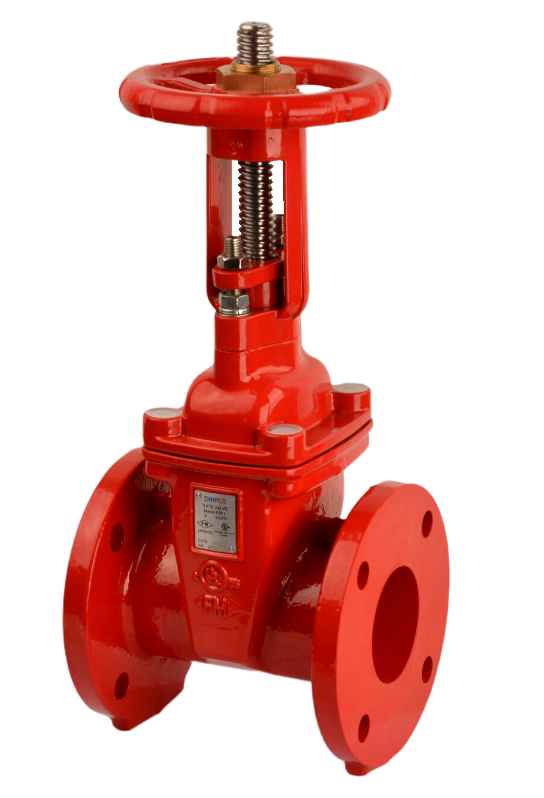
When you're sourcing gate valves for demanding industrial applications, it's crucial to distinguish those that carry Underwriters Laboratories (UL) and Factory Mutual (FM) certifications from run-of-the-mill alternatives. The best UL FM gate valves aren't just stamped with approvals; they're engineered with an unwavering focus on performance under extreme conditions. Unlike standard models that might suffice for basic operations, these valves undergo rigorous testing for fire safety, hydrostatic pressure, and endurance, ensuring they won't fail when you need them most—whether in chemical plants, water treatment facilities, or fire protection systems. This commitment to reliability means every component, from the body to the stem, is crafted from superior materials that resist corrosion and wear over time.
One standout feature is the enhanced sealing mechanism. While standard gate valves often rely on basic packing or gaskets that can degrade, top-tier UL FM versions incorporate advanced sealing technologies like graphite or PTFE-based materials. These not only provide a tighter shutoff to prevent leaks but also maintain integrity in high-temperature or abrasive environments. Additionally, the valve design often includes a rising stem that offers visual confirmation of the valve position, a simple yet critical detail that reduces operational errors and enhances safety protocols, something many standard models overlook in favor of lower costs.
Beyond materials and seals, the operational smoothness sets these valves apart. The best UL FM gate valves feature precision-machined threads and lubricated stems that minimize friction, allowing for effortless manual operation or seamless integration with automated systems. This reduces wear on operators and equipment, extending the valve's lifespan significantly compared to standard counterparts that may stick or require excessive force. In essence, investing in these certified valves isn't just about compliance; it's about gaining peace of mind through superior durability, safety, and efficiency that standard models simply can't match in high-stakes industrial settings.
How to Select the Right UL FM Gate Valve for Your Specific Fire Protection Needs
Choosing the right UL FM gate valve for your fire protection system isn't just about ticking boxes on a spec sheet; it's about matching the valve's capabilities to the unique demands of your facility. Start by assessing the environment—Are you dealing with corrosive chemicals in an industrial plant, or is it a standard office building? UL and FM certifications ensure the valve meets rigorous safety and performance standards, but don't overlook factors like pressure ratings, material compatibility (e.g., iron, bronze, or stainless steel), and size. A valve that works perfectly in a low-risk setting might fail under extreme conditions, so tailor your selection to the actual fire hazards present.
Beyond basic specs, consider the valve's operational features, such as easy maintenance and reliability during emergencies. Look for designs that minimize pressure drop and allow for quick inspection without disassembly, which can save time during routine checks. Some advanced models include indicators for open/closed positions or are designed to resist jamming—crucial when seconds count in a fire. Remember, a gate valve might seem like a small component, but its role in controlling water flow in sprinkler systems makes it a linchpin for overall system effectiveness. Think long-term: investing in a valve with durability and smart features can reduce downtime and enhance safety over its lifespan.
To stand out from generic recommendations, dive into real-world applications. For instance, in a warehouse with high ceilings, a valve with a higher pressure rating might be necessary to ensure adequate water reach, while in a data center, non-corrosive materials could prevent damage from humidity. Consult with engineers or review case studies from similar installations to see what's worked in practice. By moving beyond cookie-cutter advice and focusing on your specific scenarios, you'll not only comply with codes but also optimize protection, making your fire safety system robust and tailored to your needs.
Installation Tips and Best Practices for Maximizing Valve Efficiency and Longevity
Proper valve installation begins with selecting the right type for your specific application and ensuring it's compatible with the system's pressure, temperature, and fluid characteristics. Before installation, inspect the valve and surrounding piping for any damage or debris that could impair performance. Align the valve precisely with the pipe flanges to avoid stress on the body, and use appropriate gaskets and bolting techniques to prevent leaks. For critical systems, consider performing a dry run or mock-up to verify fit and function before final assembly. These steps help prevent common issues like misalignment and premature wear, setting the foundation for long-term reliability.
Once installed, implementing best practices can significantly boost efficiency and extend valve lifespan. Regularly check and adjust actuator settings to ensure smooth operation and prevent over-tightening, which can lead to seat damage. Use positioners or smart controllers for precise flow control, reducing wear from unnecessary cycling. In corrosive or high-temperature environments, apply protective coatings or materials suited to the conditions. Additionally, establish a routine maintenance schedule that includes lubrication of moving parts and inspection for signs of wear like leakage or abnormal noise. Proactive measures like these not only enhance performance but also cut downtime and repair costs over time.
To truly maximize valve longevity, integrate monitoring and predictive maintenance strategies. Install sensors to track parameters such as pressure drop, vibration, and temperature, allowing early detection of issues before they escalate. Train personnel on proper operation techniques, such as avoiding sudden valve slams or operating beyond design limits. For automated systems, ensure control logic is optimized to minimize rapid cycling and unnecessary wear. Emphasize using high-quality replacement parts during repairs, and consider retrofitting older valves with newer technologies for improved performance. By focusing on these advanced practices, you can achieve a robust valve system that delivers consistent efficiency and durability in demanding industrial settings.
Maintenance Guidelines to Ensure Reliable Performance and Compliance Over Time
Regular maintenance is the backbone of sustaining both reliable performance and regulatory compliance throughout a system's lifecycle. It's not just about fixing issues as they arise but involves proactive strategies that anticipate potential failures and adapt to evolving standards. By integrating scheduled inspections and predictive analytics, organizations can minimize downtime and ensure consistent operation, aligning with industry-specific regulations that often require documented upkeep to avoid penalties and maintain certifications.
A key aspect of these guidelines is the emphasis on tailored approaches rather than one-size-fits-all solutions. For example, in high-stakes environments like healthcare or finance, maintenance protocols might include rigorous data integrity checks and cybersecurity updates to meet stringent compliance frameworks such as HIPAA or GDPR. This personalized focus helps create a resilient infrastructure that not only performs reliably under pressure but also stays ahead of legal and technological shifts, fostering a culture of continuous improvement and accountability.
Ultimately, effective maintenance goes beyond technical tasks; it involves training staff, updating documentation, and fostering cross-departmental collaboration. By embedding these practices into daily operations, companies can transform maintenance from a reactive chore into a strategic asset, ensuring long-term dependability and adherence to standards without sacrificing innovation or efficiency.
Real-World Applications and Success Stories of UL FM Gate Valves in Action
UL FM gate valves are more than just components; they're essential players in safeguarding critical infrastructure across various industries. You'll find them in bustling commercial buildings, where they control water flow in fire suppression systems, ensuring quick response during emergencies. In industrial settings like manufacturing plants, these valves manage hazardous materials, preventing leaks and protecting both equipment and personnel. Their robust design and UL FM approval mean they can withstand extreme conditions, from high temperatures to corrosive environments, offering peace of mind for engineers and facility managers who rely on dependable performance day in and day out.
Take a look at a recent installation at a large data center in Texas, where UL FM gate valves were integrated into the fire protection system. After a minor electrical fire sparked, the valves activated seamlessly, isolating the affected section and allowing sprinklers to douse the flames without disrupting server operations. This not only minimized downtime but also prevented millions in potential damage—a testament to how these valves blend reliability with real-world impact. Similarly, in a chemical processing facility in Ohio, a gate valve's swift action during a pressure surge avoided a major spill, highlighting its role in environmental stewardship and regulatory compliance.
Beyond individual cases, the success stories extend to cost savings and innovation. Cities upgrading their water distribution networks report reduced maintenance and longer service life with UL FM valves, thanks to their corrosion-resistant materials. In green building projects, they contribute to LEED certifications by enhancing system efficiency. What sets these valves apart isn't just their specs; it's how they adapt to diverse challenges, from urban skyscrapers to remote oil rigs, proving that quality engineering can quietly yet powerfully shape safer, more resilient environments worldwide.
FAQ
A UL FM gate valve is a fire protection device certified jointly by Underwriters Laboratories (UL) and FM Global, two leading safety standards organizations. It's crucial because it ensures the valve meets rigorous standards for reliability and performance during fires, helping to control water flow in sprinkler systems and minimize fire damage effectively.
Unlike standard valves that may fail under extreme heat or pressure, UL FM gate valves are designed to withstand high temperatures and maintain functionality during fires. They feature robust construction and materials tested to endure fire conditions, ensuring water supply isn't interrupted when it's most needed for firefighting.
Look for valves with high durability, corrosion resistance (e.g., materials like bronze or stainless steel), easy operation under stress, and compliance with the latest UL and FM standards. Consider factors like system pressure requirements, installation environment, and maintenance needs to ensure optimal performance.
They are versatile and suitable for various buildings, including commercial, industrial, and residential structures. However, specific requirements depend on local fire codes, building size, and risk factors. Consultation with a fire safety expert is recommended to ensure proper selection and installation.
Regular inspections, testing for leaks and proper operation, and periodic lubrication of moving parts are key. Following manufacturer guidelines and scheduling professional checks at least annually helps prevent failures and ensures valves remain ready for emergencies.
Certifications add to the initial cost due to rigorous testing and quality materials, but they provide significant safety benefits by reducing fire-related risks and potential damages. In the long run, they offer cost savings through enhanced reliability and reduced insurance premiums in many cases.
Common errors include improper alignment, using incorrect fittings, and failing to follow torque specifications during assembly. To avoid these, ensure installers are trained, read the manufacturer's instructions carefully, and conduct thorough pressure tests after installation.
Recent trends include smart valves with sensors for remote monitoring and diagnostics, enhanced materials for better corrosion resistance, and designs that support faster installation. These innovations aim to boost efficiency and integration with modern fire protection systems.
Conclusion
UL FM gate valves play a pivotal role in modern fire safety systems, serving as critical components that control water flow in sprinkler systems to prevent fire spread. Understanding their importance involves recognizing how these valves, certified by Underwriters Laboratories (UL) and Factory Mutual (FM), ensure reliability and compliance with strict safety standards. This guide delves into key features that distinguish the best UL FM gate valves from standard models, such as enhanced durability, corrosion resistance, and precise shut-off capabilities, which are essential for maintaining system integrity under extreme conditions.
Selecting the right UL FM gate valve requires evaluating specific fire protection needs, including system size, pressure requirements, and environmental factors. Proper installation tips and best practices, such as ensuring correct alignment and regular testing, maximize efficiency and longevity. Maintenance guidelines, including routine inspections and part replacements, are crucial for reliable performance and ongoing compliance. Real-world applications and success stories highlight how these valves perform in action, from industrial facilities to residential buildings, showcasing their effectiveness in preventing fire-related damage and saving lives through robust safety solutions.
Contact Us
Contact Person: George
Email: [email protected]
Tel/WhatsApp: 13863633883
Website: https://www.es-fire.com