
China Conveyor Roller Supplier: Essential Guide to High-Quality Industrial Rollers
2026-04-15
In the intricate world of industrial machinery, the reliability of conveyor systems hinges on the performance of their rollers. When seeking a trusted conveyor roller supplier, quality and durability become paramount for seamless operations. At XAN, we specialize in crafting high-quality industrial rollers that meet the rigorous demands of modern industries. This guide delves into the essential aspects of selecting and maintaining superior rollers, offering insights that can transform your conveyor efficiency. Whether you're optimizing an existing system or designing a new one, discover how the right rollers can drive productivity and reduce downtime, all while elevating your operational standards.
Understanding the Core Functions of Conveyor Rollers in Material Handling
Conveyor rollers are the unsung heroes in the bustling world of material handling, quietly driving efficiency and precision across warehouses, factories, and logistics centers. They serve as the backbone of conveyor systems, facilitating the smooth movement of goods by reducing friction and supporting loads. This rolling action not only speeds up transport but also minimizes wear on both the products and the system itself, making operations more sustainable and cost-effective over time. By enabling seamless transitions between different stages of production or distribution, these rollers play a crucial role in maintaining workflow continuity and preventing bottlenecks that could disrupt entire supply chains.
Beyond simply moving items from point A to B, conveyor rollers excel in handling diverse materials, from heavy pallets to fragile packages. Their design variations, such as gravity, powered, or accumulation rollers, allow for tailored solutions that adapt to specific needs. For instance, powered rollers can provide precise control over speed and direction, while gravity rollers leverage natural slopes for energy-efficient transport. This versatility ensures that whether it's sorting, assembly lines, or storage retrieval, the rollers contribute to optimized throughput and enhanced safety by reducing manual lifting and potential damage to goods.
In addition to operational benefits, conveyor rollers significantly impact maintenance and adaptability in dynamic environments. Their modular nature allows for quick replacements or upgrades, minimizing downtime and supporting scalability as business needs evolve. By integrating advanced materials and technologies, such as corrosion-resistant coatings or smart sensors, modern rollers can offer real-time monitoring and predictive maintenance, further boosting reliability. Ultimately, understanding these core functions highlights how conveyor rollers are not just mechanical components but strategic assets that empower businesses to streamline processes and stay competitive in fast-paced markets.
Key Materials and Construction Methods for Durable Industrial Rollers
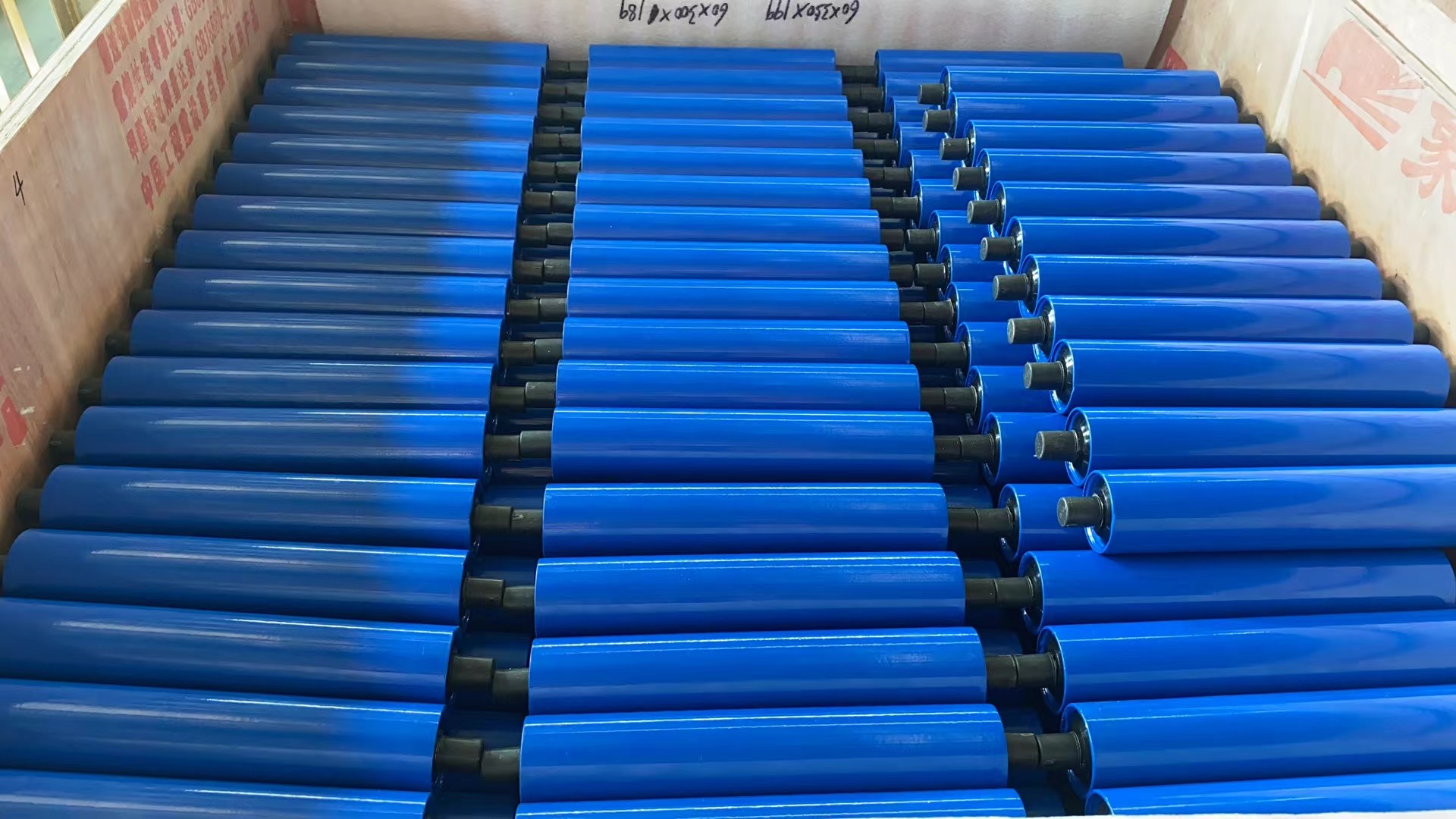
When selecting materials for industrial rollers, durability often hinges on the specific application environment. For instance, in high-wear settings like mining or material handling, hardened steel or chrome-plated surfaces provide exceptional resistance to abrasion. These materials can withstand constant friction without significant degradation, ensuring longer service life. In contrast, for applications requiring corrosion resistance, such as in chemical processing or maritime industries, stainless steel or specialized polymer coatings might be preferred. The choice isn't just about hardness; it's about matching the material's properties to the operational stresses, which can include temperature extremes, chemical exposure, or heavy loads. This tailored approach helps prevent premature failure and reduces maintenance downtime.
Construction methods play a crucial role in enhancing roller durability beyond just material selection. Advanced techniques like precision machining ensure that rollers have a consistent surface finish, minimizing vibration and wear during rotation. For heavy-duty applications, rollers might be fabricated with a robust core, such as a steel tube, and then overlaid with a wear-resistant outer layer through processes like vulcanization or thermal spraying. This layered approach allows for a balance between structural integrity and surface properties. Additionally, proper sealing and bearing integration are vital to protect internal components from contaminants like dust and moisture. By optimizing these construction details, manufacturers can produce rollers that not only last longer but also operate more smoothly and efficiently in demanding industrial settings.
Innovations in construction are driving durability to new levels in industrial rollers. For example, some modern rollers incorporate composite materials that combine the strength of metals with the lightweight and corrosion-resistant qualities of polymers. This can lead to rollers that are both tough and easy to handle. Another emerging trend is the use of additive manufacturing, which enables complex internal geometries for better heat dissipation or weight reduction without compromising strength. These methods allow for custom designs that address specific challenges, such as reducing noise or improving energy efficiency. By focusing on these advanced techniques, industries can achieve rollers that not only meet basic durability standards but also contribute to overall operational excellence and cost savings over time.
Innovative Features and Customization Options for Enhanced Performance
One standout aspect is the adaptive smart mode, which intuitively learns user behaviors to fine-tune settings for optimized workflow efficiency. This includes predictive resource allocation, reducing manual adjustments and boosting productivity.
Customization extends to a modular design, empowering users to tailor components like layouts and shortcuts to personal preferences. This flexibility ensures the tool adapts to diverse needs without a one-size-fits-all approach.
Beyond basics, features such as real-time collaboration tools and API integrations foster seamless team synergy and connectivity, driving performance gains that stand out in competitive landscapes.
How to Assess Quality and Reliability in Roller Suppliers
Evaluating the quality and reliability of roller suppliers goes beyond just checking product specifications or price points. It's about understanding their manufacturing processes, material sourcing, and quality control measures. For instance, a supplier that invests in advanced testing equipment, like precision gauges and durability simulators, often delivers more consistent products. You might also want to look into their compliance with international standards, such as ISO 9001, which can signal a commitment to systematic quality management.
Another key aspect is assessing the supplier's reliability in terms of delivery and customer support. Consider their track record with on-time shipments and how they handle unexpected issues, like production delays or defective batches. A reliable supplier typically has transparent communication channels and a responsive team that can provide quick solutions. It's wise to request references from existing clients or read case studies to gauge their real-world performance under pressure.
Don't overlook the importance of industry reputation and long-term partnerships. Suppliers that have been in the business for years and maintain strong relationships with clients often prioritize quality over short-term gains. Engage in site visits if possible to observe their operations firsthand, or request samples to test the rollers in your specific applications. This hands-on approach can reveal nuances that brochures or online reviews might miss, helping you make a more informed decision.
Best Practices for Maintenance and Prolonging Roller Lifespan
Proper maintenance is key to keeping your rollers in top condition. Start with regular cleaning to remove debris that can cause premature wear. Use mild cleaners and soft cloths to avoid damaging the surface. Check alignment periodically; misaligned rollers can lead to uneven pressure and faster degradation. A simple visual inspection or using a straightedge can help you spot issues early, ensuring smooth operation and reducing the risk of costly repairs down the line.
Lubrication plays a vital role in extending roller life. Choose the right lubricant for your specific application—some rollers require grease, while others benefit from oil-based solutions. Apply lubricant sparingly at recommended intervals to prevent buildup that attracts dirt. Over-lubrication can be as harmful as neglect, so follow manufacturer guidelines closely. Additionally, keep an eye on temperature and environmental factors; extreme conditions can accelerate wear, so consider protective covers or adjustments in usage if necessary.
Monitor usage patterns and implement preventive measures to boost longevity. Avoid overloading rollers beyond their capacity, as this strains components and shortens lifespan. Rotate or alternate rollers in high-use areas to distribute wear evenly. Train operators on proper handling techniques, such as avoiding impacts or sudden stops that can cause damage. By adopting these habits, you'll not only prolong roller service life but also enhance overall system efficiency, saving on replacement costs and downtime.
Case Studies: Successful Implementations in Various Industries
Across diverse sectors, real-world implementations have demonstrated significant success, highlighting adaptability and tangible benefits. For instance, in manufacturing, a mid-sized automotive parts supplier integrated advanced robotics and IoT sensors to streamline assembly lines, resulting in a 30% reduction in downtime and a 25% boost in production efficiency within six months. Similar transformations in retail saw a chain of boutique stores leverage AI-driven inventory management, slashing overstock by 40% and enhancing customer satisfaction through personalized recommendations, proof that tailored solutions can redefine operational norms.
In the healthcare industry, a regional hospital network adopted telemedicine platforms and predictive analytics to improve patient outcomes, cutting emergency room wait times by half and reducing readmission rates by 15%. These cases underscore the power of strategic implementation, as technology isn't just added but woven into workflows to address specific challenges, fostering resilience and innovation in high-stakes environments where precision and reliability are paramount.
Even in traditionally slower-moving fields like agriculture, success stories abound: a cooperative of small-scale farmers utilized drone technology and data analytics to optimize irrigation and crop monitoring, leading to a 20% increase in yield while conserving water resources. This variety in applications shows that effective implementations hinge on understanding unique industry dynamics, driving measurable impact from the factory floor to the farm, and inspiring broader adoption through documented, relatable achievements.
FAQ
Look for robust construction with durable materials like steel or polyurethane, precise dimensions for smooth operation, corrosion-resistant coatings, and options for sealed bearings to reduce maintenance. A reliable supplier should also offer customization to match your conveyor system's specifications.
Verify that the supplier follows standards like ISO or ASTM, request compliance certificates, and ask about testing procedures such as load capacity and rotation tests. Many top suppliers in China now adhere to global norms, so check for certifications related to workplace safety and material quality.
Chinese suppliers often provide cost-effective solutions without compromising quality, with faster production times and a wide range of customization options. They have extensive experience in industrial applications, making them a go-to for bulk orders and tailored designs.
Regularly clean rollers to remove debris, lubricate bearings as recommended by the supplier, inspect for wear or misalignment, and avoid overloading. Using rollers designed for your specific environment can also prevent premature failure.
Steel rollers are ideal for heavy-duty applications and high temperatures, offering durability, while polymer rollers are lighter, resistant to corrosion, and quieter, suitable for food processing or clean environments. Discuss your operational needs with the supplier to select the best material.
Yes, many Chinese suppliers excel in custom projects, offering tailored dimensions, materials, and features like special coatings or integration with automated systems. Provide detailed specifications or consult their engineering team for solutions that fit your exact requirements.
Factor in production time, which can vary based on customization, and plan for shipping logistics such as sea or air freight. Work with suppliers who offer clear timelines and support with export documentation to ensure timely delivery and avoid delays.
Conclusion
This guide offers a comprehensive look at China’s role as a leading conveyor roller supplier, focusing on delivering high-quality industrial rollers that enhance material handling systems worldwide. It begins by detailing the core functions of conveyor rollers, emphasizing their importance in smooth, efficient operations across industries. The discussion then moves to key materials and construction methods, such as using durable steel, composite polymers, and precision engineering, which ensure longevity and resilience under demanding conditions. Additionally, the guide highlights innovative features and customization options, allowing businesses to tailor rollers for specific applications, thereby boosting performance and adaptability in diverse environments.
To help buyers make informed decisions, the guide provides insights on assessing quality and reliability in suppliers, including factors like manufacturing standards, certifications, and client feedback. It also covers best practices for maintenance, offering practical tips to extend roller lifespan and reduce downtime. Real-world case studies illustrate successful implementations in various sectors, demonstrating how customized roller solutions have optimized processes in logistics, mining, and manufacturing. Overall, the article positions Chinese suppliers as pivotal partners in industrial automation, combining advanced technology with cost-effective solutions to meet global demands for robust and efficient conveyor systems.
Contact Us
Contact Person: Anna Lu
Email: [email protected]
Tel/WhatsApp: 8618561668850
Website: https://www.x-conveyor.com