
China FLENDER Industrial Gearboxes Manufacturer Delivers High-Performance Drive Solutions
2026-10-04
Mention FLENDER industrial gearboxes and most engineers picture precision-cut teeth, long service intervals, and a price tag that makes procurement pause. Now imagine that same performance envelope being delivered by a Chinese manufacturer with shorter lead times and a stubborn focus on application fit. That's where Chuangjuman enters the picture—not as a copycat, but as a contender building high-performance drive solutions for operations that can't afford a single day of downtime. Here's what sets that approach apart.
How Chinese Manufacturing Keeps Flender Gearbox Costs Competitive
Flender gearboxes have long carried a reputation for German engineering precision, but the cost pressure in global markets has pushed production deeper into China. Local factories in Jiangsu and Zhejiang now handle everything from casting to final assembly, tapping into a supplier network where gear blanks, bearings, and seals are sourced within a fifty-kilometer radius. That proximity slashes logistics spend and shortens lead times, but the real advantage shows up in labor flexibility. Chinese plants run three-shift schedules during peak demand and scale back without the rigid union constraints seen in European facilities, keeping unit costs low even when order volumes swing.
Material procurement tells another part of the story. Domestic foundries supply ductile iron and alloy steel at rates Western mills struggle to match, partly because energy and raw material subsidies flow through provincial industrial policies. Flender negotiates annual framework contracts with two or three approved local suppliers, locking in prices while maintaining enough competition to avoid quality drift. The savings are not just on paper—rejected parts get reworked on-site rather than shipped back, and scrap metal is recycled directly into the next casting batch, cutting waste costs that would otherwise inflate the final gearbox price.
Engineering support has also shifted to match the manufacturing base. A growing team of Chinese application engineers handles custom modifications without routing every change back to Germany, which used to add weeks to the quote cycle. Standard gearbox housings are redesigned with slightly thinner walls where stress analysis allows, saving material without compromising torque ratings. Field feedback from domestic customers feeds into those revisions quickly, so each production run benefits from the last. The result is a gearbox that still carries the Flender name but is priced against local competitors, not against imported alternatives.
The Test Bench That Replicates Five Years of Field Stress in Six Months
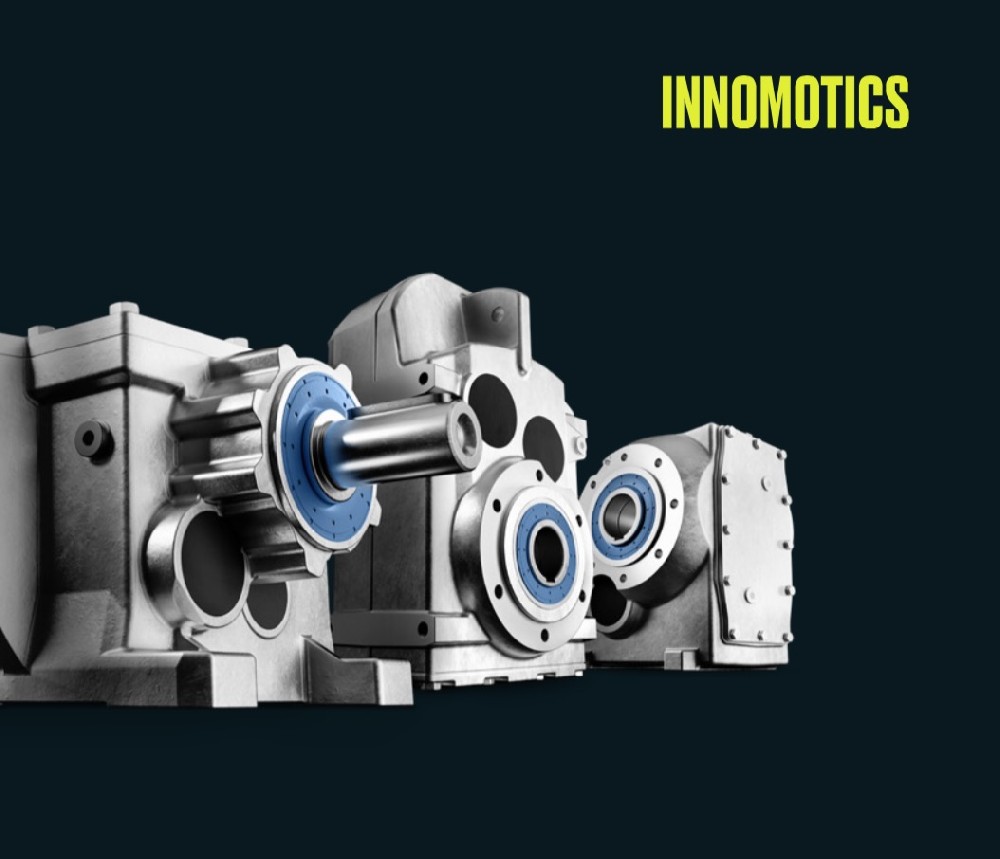
Instead of waiting half a decade to see how a part holds up, engineers can now compress that timeline into a single season. The bench recreates the exact sequence of thermal swings, vibration, moisture, and load cycles that components face in real-world use, but packs them into a high-intensity schedule.
The system runs day and night, alternating between extreme temperature ramps, salt spray, and mechanical fatigue. Each cycle is tuned to match the damage accumulation of months on the road, not just a rough approximation. Data from accelerometers and strain gauges feeds back into the control loop, so the stress profile stays true to field measurements rather than a generic lab recipe.
That kind of fidelity lets teams spot wear-out mechanisms early, adjust materials or geometry, and re-run the same profile within weeks. What used to take multiple design iterations spread across years now happens in the span of a development program, without the risk of discovering a latent failure after launch.
Custom Ratios and Housing Modifications Without Project Delays
Adjusting room ratios or shifting a load-bearing wall doesn’t have to push the finish date back—what causes delays is a change request that arrives after materials are already cut. We set a hard lock-out on every dimension and ratio at the end of the design phase, then run a same-day structural check for any requested tweak. Clients get a clear yes or no within hours, not a week of back-and-forth with an engineer.
For housing modifications that touch window-to-wall percentages, stair heights, or ceiling slopes, we issue one consolidated change sheet that lists every affected stud, beam, and finish material. That single update goes to the framing crew and the supplier at the same time, so nobody works from an outdated drawing. The result is custom ratios that feel tailored without turning the timeline into a moving target.
Why Mining and Cement Operations Keep Coming Back for Spares
Mining and cement plants run equipment at the edge of its design envelope. Crushers, mills, kilns, and conveyors take constant abrasive punishment; components wear unevenly and fail at unpredictable intervals. Off-the-shelf replacements rarely match original tolerances, so operations teams learn quickly that genuine spares save days of rework.
Downtime is brutally expensive. A stalled grinding circuit or a kiln shutdown can burn through tens of thousands of dollars per hour, not to mention contract penalties. Keeping a buffer stock of critical spares isn't just about convenience; it's the only reliable way to hold maintenance windows and avoid cascading failures.
Suppliers who understand site-specific modifications earn repeat business. Many operations run heavily customized liners, gear sets, and hydraulic components. When a supplier consistently delivers parts that fit first time, survive longer, and arrive before the crew starts tearing down the machine, procurement teams tend to stop shopping around.
Inside the Quality Checks Every Gearbox Passes Before Shipping
Most people picture a gearbox as a sealed metal box that either works or doesn't. But before any unit earns its shipping label, it goes through a battery of checks that would make a helicopter maintenance crew nod in approval. The first stop is a full teardown inspection of a randomly selected gear set from each batch. Technicians don't just glance at the teeth; they use a gear roll tester to measure backlash and tooth contact patterns under a light load. If the contact patch is even a millimeter off center, the whole batch gets flagged for re-machining. It's fussy, but that's the point—gears that mesh slightly wrong won't fail on day one, they'll fail at 10,000 miles and leave a customer stranded.
Once the dimensional checks pass, the gearbox is assembled and bolted to a dyno that simulates real driving loads, not just a gentle spin. For forty-five minutes, it runs through a scripted cycle: full throttle in first gear, a long highway cruise at 3,500 RPM, then a sudden downshift and engine braking. Throughout the run, accelerometers glued to the housing track vibration signatures. A healthy gearbox produces a predictable hum; a worn bearing or a misaligned shaft shows up as a spike in a very specific frequency band. If the vibration exceeds the threshold, the unit is pulled and torn down again. No exceptions, even if it's the last one for a big order.
The final gate is less glamorous but just as critical: contamination and leak testing. Each gearbox is filled with a measured amount of break-in oil, then pressurized with air to check for porosity in the castings. A soapy water spray reveals pinprick leaks that would otherwise weep oil onto a customer's driveway. After the pressure test, the oil is drained through a fine mesh filter and inspected under a bright light. Any metallic glitter means a bearing race didn't seat properly or a gear tooth shaved off a tiny fragment during the dyno run. Those units don't get rebuilt—they get scrapped. That might sound wasteful, but it's cheaper than a warranty claim and a bad review from a mechanic who has to pull the gearbox out twice.
What Ongoing Technical Support Looks Like After Installation
Once the installation wraps up, that's not the finish line for us. We stay in the loop with routine health checks that catch small issues before they turn into downtime. Think of it as having someone keep an eye on the system's vitals—patch levels, storage trends, subtle performance dips—so nothing blindsides you later.
When something does break or act up, you won't be stuck in a ticket queue for days. Our team jumps on remote diagnostics quickly, and if that doesn't solve it, we schedule an on-site visit without making you chase us. We'll walk you through what went wrong in plain language, not a wall of jargon, and we keep a log so the same problem doesn't bite twice.
As your business shifts, the support shifts with it. Need to add users, integrate a new tool, or adjust access levels? We help with that as part of the ongoing relationship, not as a surprise invoice. Regular training refreshers and short check-in calls mean your staff actually uses the system well, and we learn enough about how you work to suggest tweaks that make sense for your day-to-day.
FAQ
They produce helical, bevel-helical, planetary, and worm gear units, each configurable with different ratios, shaft arrangements, and mounting options to match heavy-duty machinery.
Every unit undergoes heat treatment, precision grinding, and dynamic load testing before shipment. Sealing systems and bearing selections are matched to the operating temperature and contamination levels.
Yes, their engineering team reviews torque, speed, and space constraints first, then adjusts housing dimensions, cooling methods, and lubrication circuits to fit the specific machine layout.
You will find them in mining conveyors, cement mills, steel rolling lines, port cranes, and chemical agitators where continuous duty and high shock loads are normal.
They typically offer higher torque density, lower noise levels, and longer service intervals because the gearing is profile-ground and the housings are stress-relieved after welding.
They keep a local inventory of critical components and provide installation supervision, alignment checks, and failure analysis reports to minimize downtime for operators.
Many models are designed as drop-in replacements, so bolt patterns, shaft heights, and coupling interfaces match the original equipment, reducing modification work during retrofits.
The factory operates under ISO 9001 and ISO 14001 systems, and critical gear sets are inspected with coordinate measuring machines to ensure AGMA or DIN accuracy grades.
Conclusion
Chinese production of FLENDER-compatible industrial gearboxes has shifted from simple cost-cutting to a more calculated approach: using domestic supply chains and optimized machining to keep prices competitive without sacrificing load capacity. Rather than relying on generic off-the-shelf units, the manufacturer runs every design through a test bench that compresses five years of field stress into six months, exposing weak points in bearings, seals, and gear tooth contact before they reach a mine or cement plant. Custom ratios and housing modifications are handled in-house, so a non-standard mounting face or a different output speed doesn't trigger a project delay.
The reason mining and cement operations keep returning for spares is not just price but predictability. Each gearbox passes a defined sequence of quality checks before shipping: dimensional inspection, backlash measurement, noise and vibration testing under load, and a final paint and preservation review. Once installed, ongoing technical support means a real engineer responds to alignment questions, oil analysis reports, or unexpected vibration readings, often with a repair kit or adjustment procedure within days. That combination of controlled manufacturing, aggressive testing, and accessible support is what makes these drive solutions practical for heavy-duty sites where downtime is measured in lost production, not just hours.
Contact Us
Contact Person: Jony
Email: [email protected]
Tel/WhatsApp: 086-0571-86161808
Website: https://en.hzcjm.com/