
China Sand Mining Manufacturer Drives Innovation in Sustainable Aggregate Production
2026-05-06
In the fast-evolving landscape of global sand mining, innovation often takes a back seat to tradition. Yet, one Chinese manufacturer is rewriting the rules. YaKai Dredger has emerged as a force in sustainable aggregate production, challenging outdated practices with cutting-edge technology and a deep commitment to environmental stewardship. As demand for sand skyrockets and ecological concerns mount, the industry finds itself at a crossroads. How can we meet the world's construction needs without depleting our planet? The answer might just lie in the hands of those who dare to rethink the dredging supply chain from the ground up.
Rethinking Sand Extraction for a Greener Future
Sand mining rarely makes headlines, yet its impact ripples across ecosystems that sustain us. The demand for sand, driven largely by construction and land reclamation, has led to unchecked dredging of rivers and coastlines. This quiet plunder erodes habitats, deepens flood risks, and diminishes the natural barriers that protect communities from storms. Often overlooked, these consequences demand a shift in how we source and value this granular resource.
Instead of treating sand as an infinite commodity, a smarter approach would lean into alternatives that already exist. Recycled construction debris, crushed glass, and even industrial by-products like foundry sand can replace virgin material in many applications. Some regions are experimenting with tax incentives to encourage the reuse of demolition waste, turning yesterday's concrete into tomorrow's foundations. Such shifts not only ease the pressure on natural deposits but also reduce the carbon footprint of haulage and processing.
Real change, however, goes beyond swapping materials. It calls for stricter governance and transparent supply chains that trace sand from origin to site. Coastal communities, often the first to suffer from extraction, need a voice in decisions that carve away their shores. Rethinking sand extraction means recognizing it as part of a larger land-use puzzle—one where ecological health is weighed alongside economic need. By recasting sand as a shared, limited asset, we stand a chance at balancing growth with the long-term wellbeing of our planet.
How Smart Manufacturing is Reshaping Aggregate Supply
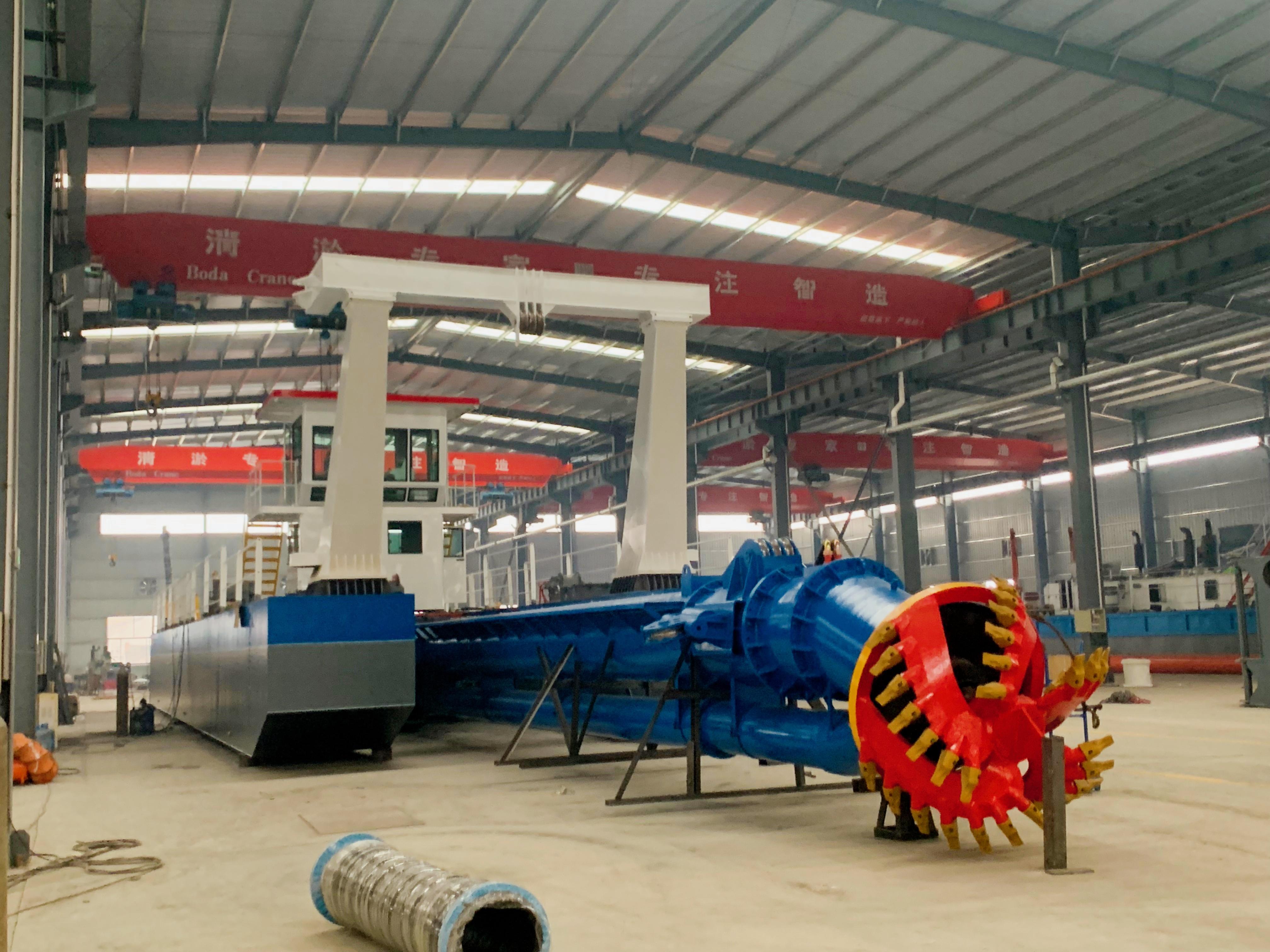
Automation has moved from being a niche experiment to the backbone of modern aggregate operations. Conveyor systems, crushers, and screeners are increasingly guided by sensors and programmable controllers that adjust settings without human intervention. This not only speeds up processing but also ensures consistent product sizes, reducing waste and energy use. Plant managers now oversee production through dashboards rather than walking the floor, freeing them to focus on broader logistics challenges.
The integration of real-time data analytics allows quarries to respond to fluctuations in demand with precision. Instead of relying on estimated stockpiles, operators track inventory through networked scales and volumetric scanners, feeding data directly into scheduling software. When a major construction project suddenly increases orders, the system can prioritize certain gradations or reroute trucks, preventing bottlenecks that once led to costly delays.
Predictive maintenance is quietly transforming how equipment downtime is managed. Vibration sensors and oil analysis units feed algorithms that forecast failures before they cripple a production line. A crusher bearing giving off unusual heat signatures, for example, triggers an alert days ahead of a potential seizure, allowing repairs during scheduled lulls. This shift from reactive to anticipatory upkeep keeps supply chains flowing smoothly and extends the lifespan of expensive machinery.
Turning Resource Challenges into Production Breakthroughs
When a supplier suddenly halts deliveries or a critical material price spikes, production managers feel the squeeze. Yet these moments of strain often push teams to rethink designs from scratch. I recall a packaging line where a shortage of specialized adhesive forced engineers to experiment with mechanical fastening—ultimately creating a more recyclable product that cut assembly time by 12%.
Budget limitations have a similar effect. A project I observed had its automation budget slashed midway. Instead of scaling back ambitions, the team borrowed techniques from open-source robotics communities, piecing together a flexible system using off-the-shelf parts. The result not only met output targets but also became easier to maintain and adapt than the original plan.
The key shift is treating constraints not as barriers but as clues pointing toward undervalued opportunities. Whether it’s a skilled labor crunch prompting cross-training programs that uncover hidden talent, or energy caps leading to heat recycling that lowers factory overhead, production breakthroughs rarely emerge from comfort. They’re forged in the friction of doing more with less.
Inside the Techniques That Set This Manufacturer Apart
What truly distinguishes this manufacturer from the crowd is an uncompromising commitment to techniques that others often overlook. Instead of chasing fleeting market fads, their engineers have refined a proprietary multi-stage finishing process that imbues every product with a depth and resilience rarely seen today. This isn't mass production—it's a deliberate, almost obsessive, choreography of precision machining and hand-guided detailing.
Beyond the surface, they employ a hybrid assembly method that merges robotic consistency with human intuition. Where most would rely solely on automated lines, skilled craftspeople intervene at critical stress points, ensuring that each item meets standards that machines alone can't verify. The result is a quiet confidence in every piece, a tactile sense of purpose that you feel the moment you pick it up.
Balancing Industrial Output with Environmental Goals
Factories and green fields rarely make easy neighbors, but the friction between them is more mutual than many assume. The old narrative of industry versus nature ignores how often tighter environmental rules have pushed manufacturers toward leaner, less wasteful methods. Scrubbers on smokestacks, closed-loop water systems, and heat recovery setups didn’t just cut pollution—they trimmed operational fat in ways that surprised even the accountants. When compliance sparks ingenuity rather than resistance, the line between production targets and ecological limits starts to blur in practical, measurable ways.
What’s shifting now is how companies frame the challenge. Instead of bolting on end-of-pipe fixes, more are rethinking material flows from scratch. Take the chemical sector: some plants now trade by-products with nearby firms, turning one company’s effluent into another’s feedstock. It’s messy, collaborative, and entirely unglamorous—but it chips away at the old take-make-dump model without sacrificing throughput. Energy mixes matter too; firms swapping coal for on-site renewables aren’t just chasing badges, they’re hedging against volatile fuel prices. Quietly, these moves are rewriting what productivity means.
The real test is whether these piecemeal gains can scale against relentless demand. Consumer goods still pile up, and discount culture undercuts durable design. Yet even here, cracks appear: warranty-backed refurbishment lines and modular electronics are creeping into mainstream catalogs, pushed as much by materials cost as by conscience. Policy nudges help—carbon pricing, extended producer responsibility—but the sharper pressure comes from insurers and lenders now pricing climate risk into their spreadsheets. That cold arithmetic may do what decades of advocacy couldn’t: make environmental balance not a constraint, but a survival instinct for industry.
Local Expertise Fuels Global Demand for Sustainable Sand
It’s often in the backwaters of construction and manufacturing that the most practical solutions to sand scarcity take shape. Around the world, communities living close to rivers, deserts, and coastlines have developed nuanced ways to source, recycle, or manufacture sand that doesn’t gut the local environment. Their methods aren’t born from laboratory theory but from generations of working with the land—adjusting extraction schedules to natural replenishment cycles, repurposing glass and mining tailings, or using crushed rock in ways that mimic natural grain shapes. This fine-grained expertise is now radiating far beyond its origins, drawing interest from overseas buyers who are tired of environmentally devastating strip-mining.
The surge in global demand for sustainable sand isn’t just a materials trend; it’s a revaluation of tacit knowledge. Engineers and architects in distant markets are starting to realize that a quarry operator in Kerala or a dredging co-op in the Netherlands might hold the key to meeting green building standards without ballooning costs. Networked through industry forums and supply-chain partnerships, these local specialists are helping multinational firms rewrite specifications, moving away from generic river sand toward regionally appropriate alternatives. Their hands-on insights shorten the trial-and-error phase, making it easier for big projects to switch to lower-impact materials without sacrificing strength or workability.
What ends up in shipping containers is often secondary: the real export is the mindset. When a village-led erosion-control effort uses nature-based sediment management instead of concrete sea walls, it demonstrates how sustainable sand can be part of a circular system, not a one-time resource grab. Foreign governments and development banks, hungry for scalable blueprints, are now funding knowledge exchanges that bring this local know-how to megacities facing sand shortages. The upshot is a quiet but profound shift in how the world obtains its most-used solid resource—rooted not in high-tech wizardry, but in the judgment that comes from living with a landscape for centuries.
FAQ
They’ve introduced a closed-loop water recycling system and dust suppression technologies that drastically cut waste and emissions compared to conventional methods.
Their machinery uses precision screening and a minimal extraction footprint, leaving surrounding land and waterways largely undisturbed while recovering usable materials efficiently.
Unregulated sand mining has caused severe riverbank erosion and habitat loss worldwide, so cleaner production methods are becoming a regulatory and social necessity.
Lower energy and water consumption reduce operational costs over time, and the company gains access to projects that require eco-certified materials, giving them a competitive edge.
High upfront investment and a lack of standardized green certification in some regions make it hard for smaller operations to justify the switch without clear incentives.
As such practices prove viable, they could set new benchmarks for material sourcing in large-scale infrastructure projects, pressuring global suppliers to follow suit.
Yes, the manufacturer partners with local universities to develop AI-driven sorting systems that enhance material purity and reduce waste even further.
Conclusion
In the quest for more sustainable construction materials, one Chinese sand mining manufacturer has emerged as a trailblazer, fundamentally rethinking how sand is extracted and processed. By shifting away from traditional, ecologically disruptive methods, the company has pioneered techniques that minimize riverbed damage and preserve natural habitats. This greener approach is not merely a compliance measure but a strategic pivot that aligns long-term business viability with environmental stewardship. Leveraging smart manufacturing systems, the manufacturer integrates real-time data analytics, automated sorting, and energy-efficient machinery to reshape the entire aggregate supply chain. These advanced systems dynamically adjust processing parameters to optimize output quality while slashing waste, turning erstwhile resource challenges into genuine production breakthroughs. The result is a reliable stream of high-grade sand that meets stringent industry standards without exhausting natural reserves.
What truly sets this manufacturer apart is its proprietary set of techniques that balance industrial output with ambitious environmental goals. From closed-loop water recycling that curtails freshwater consumption to dust suppression innovations that keep air quality intact, every facet of the operation reflects a deeply ingrained sustainability mindset. The company’s R&D teams have also developed novel methods to upcycle lower-grade materials that would otherwise be discarded, effectively turning byproducts into valuable resources. This fusion of local engineering expertise and global market insights has positioned the firm as a go-to partner for international clients seeking responsibly sourced sand. By demonstrating that profitability and ecological responsibility can go hand in hand, the manufacturer not only fuels worldwide demand for sustainable aggregate but also sets a compelling benchmark for the entire industry, proving that innovation rooted in practical, on-the-ground knowledge can drive lasting change.
Contact Us
Contact Person: Nancy
Email: [email protected]
Tel/WhatsApp: (+86) 13869631558
Website: https://www.yakaidredger.com/