
China Solar Agriculture Mounting System: Key Solutions for Sustainable Farming
2026-02-03
In the quest for sustainable agricultural practices, solar energy emerges as a game-changer, particularly with systems tailored for farming applications. This blog delves into innovative solar mounting solutions that can help farmers boost efficiency, reduce costs, and contribute to environmental goals. At the forefront of these advancements is Energet Solar, offering key solutions that marry technology with traditional farming needs. Join us as we explore how these systems work, their benefits, and why they're becoming essential for modern agriculture—answering common questions and highlighting real-world applications that might just spark your next green initiative.
Harnessing Solar Power for Eco-Friendly Farm Operations
Transitioning farm operations to solar power represents a significant stride toward sustainability, offering a clean and renewable energy source that reduces reliance on fossil fuels. By installing solar panels on barns, greenhouses, or open fields, farmers can generate electricity to power irrigation systems, lighting, and machinery, leading to lower utility bills and a smaller carbon footprint. This shift not only cuts operational costs but also enhances energy independence, allowing farms to thrive even during grid outages or energy price spikes.
Beyond electricity generation, solar technology can be integrated into various farm applications, such as solar-powered water pumps for efficient irrigation or solar thermal systems to heat water for livestock and processing facilities. These innovations minimize environmental impact by reducing greenhouse gas emissions and conserving water resources. Additionally, solar energy aligns with eco-friendly practices like organic farming, creating a holistic approach that supports soil health, biodiversity, and long-term farm resilience.
To maximize benefits, farms can adopt smart solar solutions, including battery storage to store excess energy for use during cloudy days or at night. This ensures a consistent power supply for critical operations, such as cooling storage units or operating automated equipment. By embracing solar power, farmers not only contribute to a greener planet but also gain a competitive edge through improved efficiency and market appeal for sustainably produced goods.
Innovative Mounting Designs for Diverse Agricultural Settings
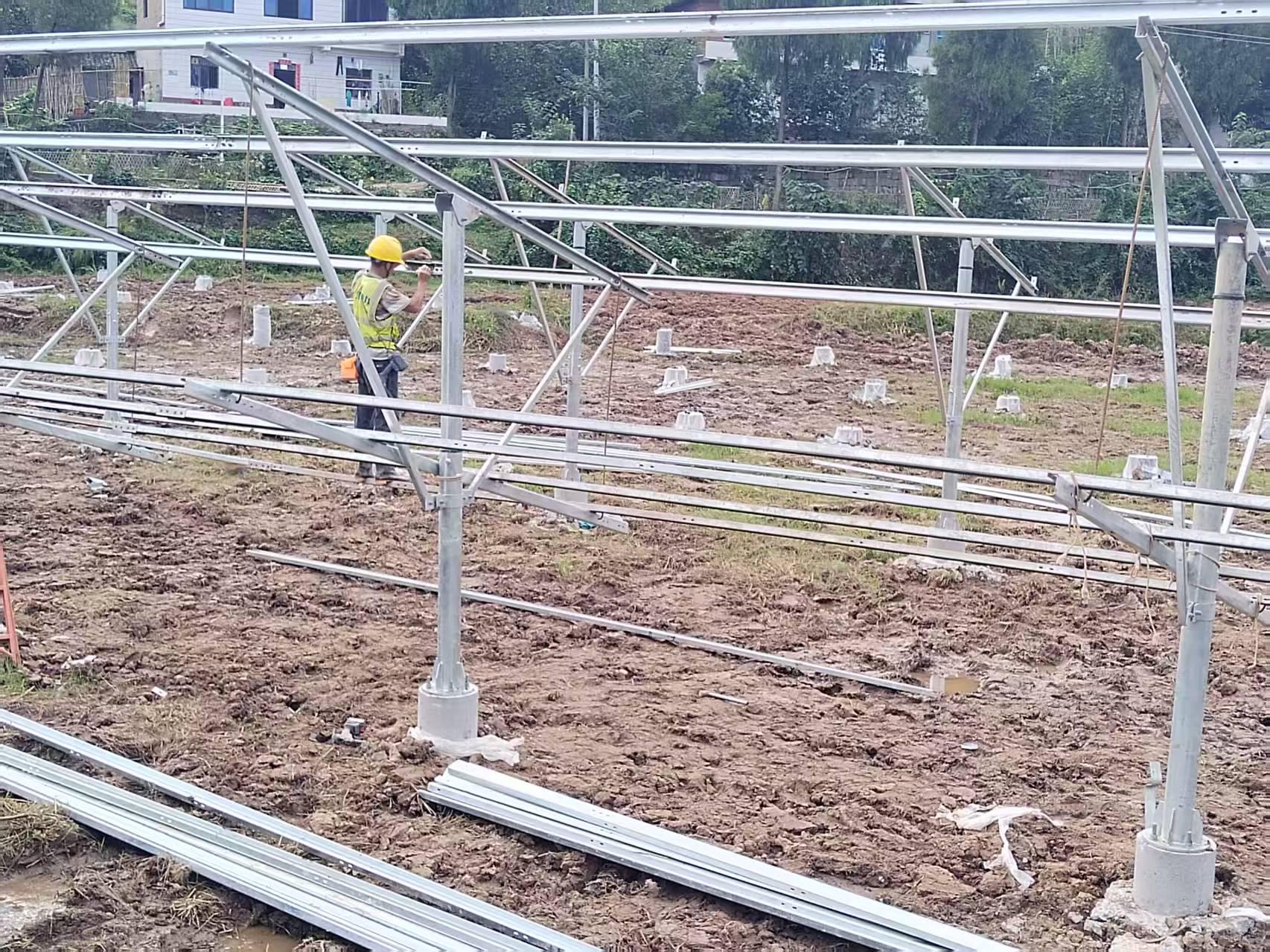
In agricultural settings, where terrain and crop types vary widely, innovative mounting designs have become a game-changer for maximizing efficiency and adaptability. Traditional mounting systems often struggled with uneven fields or dense plantings, but new solutions incorporate adjustable frames and modular components that can be tailored to specific needs. For example, some designs allow farmers to quickly reconfigure equipment heights or angles based on soil conditions or crop growth stages, reducing labor and minimizing damage to delicate plants. These advancements aren't just about sturdiness—they're about creating flexible setups that evolve with the farming season, ensuring tools stay secure and functional from planting to harvest.
Beyond basic flexibility, the latest mounting innovations address challenges like water drainage, wind exposure, and equipment compatibility in diverse environments. In hilly or sloped areas, designs with tilt-adjustable brackets help maintain stability and prevent runoff issues, while in flat expanses, lightweight yet robust mounts enable easy transport and repositioning. Manufacturers are also integrating smart features, such as quick-release mechanisms that allow for rapid tool swaps without complex tools or downtime, making it easier for farmers to switch between tasks like seeding, spraying, and monitoring. This adaptability not only boosts productivity but also extends the lifespan of agricultural machinery by reducing wear from constant repositioning.
What sets these mounting designs apart is their focus on sustainability and user-centric engineering. By using corrosion-resistant materials and eco-friendly coatings, they withstand harsh weather conditions common in agriculture, from heavy rains to intense sun, without frequent maintenance. Additionally, many designs are developed with input from field workers, ensuring ergonomic handles and intuitive locking systems that enhance safety and ease of use. As agriculture trends toward precision and automation, these mounts serve as critical connectors for sensors and robotic tools, seamlessly integrating new technologies into existing workflows. Ultimately, these innovations represent a shift from one-size-fits-all solutions to customizable, durable systems that empower farmers to tackle diverse challenges with confidence.
Boosting Crop Yields with Smart Solar Integration
Imagine a farm where solar panels and crops thrive side by side, each enhancing the other's productivity. Smart solar integration in agriculture goes beyond simply installing panels on unused land—it's about creating a symbiotic relationship between energy generation and food production. By strategically placing solar arrays above crops or in interspersed rows, farmers can harness sunlight for both power and plant growth, reducing competition for space and resources.
One innovative approach involves using semi-transparent or bifacial solar panels that allow diffused light to reach crops below, optimizing photosynthesis while generating clean energy. This setup can create microclimates that protect plants from extreme weather, such as excessive heat or frost, leading to healthier and more resilient crops. Studies have shown that in some regions, this integration can increase yields by up to 20%, as the partial shading reduces water evaporation and stress on plants.
Moreover, the electricity generated from these integrated systems can power irrigation pumps, sensors, and other farm equipment, cutting operational costs and reducing reliance on fossil fuels. This not only boosts economic sustainability but also supports environmental goals by lowering carbon footprints. As climate change challenges traditional farming, smart solar integration emerges as a forward-thinking solution that merges renewable energy with agricultural innovation, paving the way for a more food-secure and energy-efficient future.
Cost-Effective Solutions for Long-Term Farm Sustainability
Farmers looking to maintain profitability while ensuring their operations remain viable for generations often find that cost-effective sustainability isn't just an ideal—it's a practical necessity. By integrating practices like crop rotation and cover cropping, farms can naturally enhance soil health, reducing the need for expensive chemical fertilizers and pesticides. These methods not only cut input costs but also build resilience against pests and weather fluctuations, creating a more stable foundation for long-term success.
Adopting precision agriculture technologies, such as GPS-guided equipment and soil sensors, allows for targeted resource use, minimizing waste and optimizing yields. While the initial investment might seem high, the savings on water, fuel, and labor over time make these tools a smart financial move. Many farmers report that such innovations pay for themselves within a few seasons, turning upfront costs into ongoing savings that bolster both environmental and economic sustainability.
Collaborative approaches, like forming local cooperatives to share equipment or implement renewable energy solutions such as solar panels, can distribute expenses and amplify benefits. By pooling resources, small and mid-sized farms gain access to advanced sustainability measures that might otherwise be out of reach, fostering a community-driven model that secures a brighter future for agriculture without breaking the bank.
Adaptable Systems for Harsh Environmental Conditions
Resilient engineering takes center stage when creating adaptable systems for harsh environmental conditions. It isn't just about shielding components from extreme temperatures or corrosive agents; it's about enabling them to function optimally, even thrive, in places where conventional technology falters. This demands a shift from merely reinforcing structures to imbuing them with flexibility—allowing systems to recalibrate real-time, whether adjusting to the blistering heat of a desert or the freezing climes of Antarctica.
In practice, such adaptability might manifest through self-healing materials that repair minor damage autonomously, or predictive algorithms that anticipate and mitigate stress from environmental shifts. For instance, in offshore wind farms, systems dynamically adjust turbine operations based on changing sea conditions and corrosion rates, ensuring durability without constant human oversight. This proactive approach not only extends operational lifespans but also reduces maintenance costs and downtime, making sustainable energy viable in the toughest terrains.
Ultimately, these systems bridge the gap between human ambition and environmental realities. By integrating sensors, AI-driven analytics, and robust design, they don't just survive harsh settings—they unlock possibilities, from deep-sea exploration to Arctic infrastructure, proving that technology can evolve in harmony with nature's most demanding challenges.
Supporting Local Food Security Through Solar Technology
In many rural communities worldwide, access to reliable electricity remains a challenge, often limiting agricultural productivity and disrupting local food systems. Solar technology offers a transformative solution by harnessing abundant sunlight to power irrigation systems, greenhouses, and cold storage facilities. This not only reduces dependency on erratic grid power but also lowers operational costs for farmers, enabling them to grow and preserve crops more efficiently.
Beyond basic power supply, solar innovations are being tailored to specific food security needs. For instance, solar-powered water pumps can draw from groundwater or rainwater harvesting systems, ensuring consistent irrigation even during dry seasons. In regions prone to food spoilage, solar-powered refrigeration extends the shelf life of perishable goods, reducing waste and stabilizing local food markets. These applications empower farmers to diversify crops and improve yields, directly bolstering community resilience against climate-induced shortages.
The integration of solar technology into local food systems fosters long-term sustainability by minimizing carbon footprints and promoting energy independence. Community-led solar projects, such as shared microgrids for cooperatives, create collaborative frameworks that strengthen economic ties and knowledge exchange. As solar costs decline and efficiency improves, these technologies become more accessible, offering scalable models that communities can adapt to their unique environmental and cultural contexts, ultimately securing a more self-reliant and nutritious food future.
FAQ
By combining solar panels with farming infrastructure, farmers can generate clean electricity while using the same land for crops or livestock, boosting income and promoting energy self-sufficiency in rural areas.
Unlike standard ground mounts or rooftops, these systems are tailored to agricultural needs, featuring elevated designs that allow machinery access underneath, adjustable angles for crop shading control, and durable materials resistant to farm conditions.
Yes, some systems incorporate solar-powered irrigation or water pumps, reducing reliance on grid electricity or fossil fuels and supporting efficient water use in dry regions, contributing to sustainable resource management.
Initiatives like subsidies for solar installations in rural areas and targets for renewable energy integration encourage adoption, helping farmers offset costs and align with national sustainability goals.
Systems are particularly effective for greenhouses, where panels can regulate light exposure, and for grazing lands, where they provide shade while generating power, though adaptability varies by region and crop type.
Built with corrosion-resistant materials and designed for minimal maintenance, these systems reduce long-term costs and downtime, ensuring reliable energy production over decades to support stable farm operations.
Advances include smart tracking systems that optimize panel angles for sunlight and crop needs, integrated sensors for monitoring environmental conditions, and modular designs for easy scaling on diverse farms.
Through cooperatives that pool resources for bulk purchases, leasing models with low upfront costs, and community-supported projects that share expertise, making solar integration more accessible to diverse farming operations.
Conclusion
China's solar agriculture mounting systems represent a transformative approach to sustainable farming, integrating solar power into farm operations to promote eco-friendly practices. By harnessing solar energy, these systems reduce reliance on fossil fuels and lower carbon footprints, aligning with global environmental goals. The innovative mounting designs are adaptable to diverse agricultural settings, from open fields to greenhouses, ensuring efficient energy capture without compromising land use. This flexibility allows farmers to maximize space while supporting local food security through enhanced production capabilities.
These systems also boost crop yields through smart solar integration, using technology to optimize light and energy distribution for improved plant growth. Cost-effective solutions make solar adoption accessible for long-term farm sustainability, reducing operational expenses over time. Additionally, the adaptable designs withstand harsh environmental conditions, ensuring reliability in various climates. Overall, China's solar agriculture mounting systems offer a holistic solution that combines economic viability, environmental stewardship, and resilience, driving forward sustainable farming practices and contributing to a greener future.
Contact Us
Contact Person: Simon
Email: [email protected]
Tel/WhatsApp: 8613672181100
Website: https://energetsolar.com/
