
Choosing the Right Power Distribution Box Supplier for Efficient Solutions
2026-01-22
Navigating the complex landscape of power distribution systems can be a daunting task for businesses seeking reliable and efficient solutions. In today's fast-paced industrial environment, selecting the right supplier isn't just about cost—it's about ensuring seamless operations, safety, and long-term value. That's where Lugao steps in, offering cutting-edge expertise that sets new standards in the industry. This blog will guide you through key considerations to make an informed choice, helping you unlock enhanced performance and peace of mind. Stay tuned to discover how partnering with the right experts can transform your power management strategy.
Key Factors to Evaluate When Selecting a Power Distribution Box Supplier
You'll want to start by digging into the supplier's real-world experience and their history of reliability. Check how long they've been in the industry and look for case studies or testimonials from clients in similar sectors—whether it's industrial plants, data centers, or commercial buildings. A supplier with a proven track record of delivering consistent, high-quality products over years is often a safer bet than a newcomer, as they've likely ironed out manufacturing kinks and established robust quality control processes. Don't just take their word for it; ask for references and follow up to hear firsthand about performance under pressure, like during peak loads or harsh environmental conditions.
Another critical aspect is the range and customization options available. A good supplier should offer a variety of power distribution box types—such as main distribution panels, sub-distribution units, or specialized enclosures—to fit different applications. More importantly, assess their flexibility in tailoring solutions to your specific needs, whether that involves custom voltage ratings, specific safety certifications, or unique mounting requirements. This adaptability can save you time and money down the line by avoiding costly modifications or replacements. Plus, a supplier willing to collaborate on design tweaks often indicates a partnership mindset, ensuring the end product aligns perfectly with your operational demands.
Finally, consider the support and service infrastructure behind the products. It's not just about the boxes themselves; timely delivery, post-sales assistance, and maintenance services are key. Evaluate their logistics network for efficiency and reliability in shipping, and inquire about warranty terms and technical support availability. A supplier that provides clear documentation, easy access to spare parts, and responsive customer service can significantly reduce downtime and operational headaches. In essence, choosing a supplier is about balancing product quality with the overall value they bring through ongoing support, making your investment more secure and manageable in the long run.
How Technical Expertise Enhances Efficiency in Power Distribution Solutions
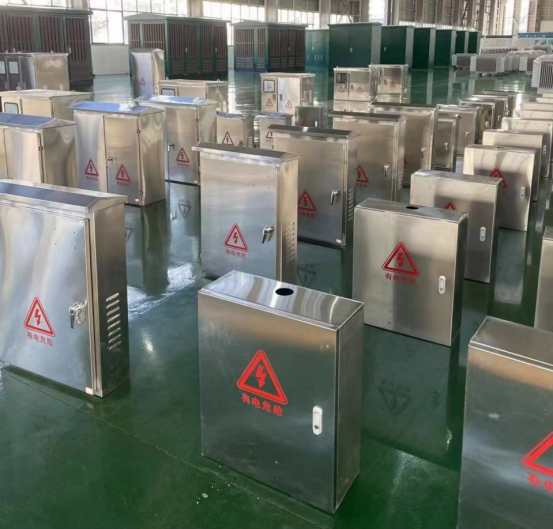
In the power distribution sector, technical expertise isn't just an added bonus; it's the very engine that drives efficiency from the ground up. Imagine a network of substations and transmission lines: without deep knowledge of systems like SCADA (Supervisory Control and Data Acquisition), engineers might struggle to optimize load balancing or predict failures. But with specialized skills, teams can design smart grids that self-adjust to demand, cutting energy losses by up to 15% in some cases. This hands-on know-how allows for precise adjustments in real-time, turning potential bottlenecks into smooth flows of electricity.
What sets this apart is how technical mastery translates into practical, cost-saving actions. For instance, experts proficient in data analytics can sift through terabytes of operational data to spot inefficiencies—like undetected equipment wear or suboptimal routing—that automated systems might miss. This isn't about following generic protocols; it's about crafting tailored solutions, such as deploying advanced sensors or custom software, that adapt to local grid conditions. The result? Faster response times during outages and a noticeable drop in maintenance overhead, making the whole system more resilient and less prone to downtime.
Ultimately, this specialized expertise fosters innovation that goes beyond mere optimization. Pioneering techniques, like integrating renewable energy sources seamlessly or using AI-driven predictive models, stem from a deep understanding of both theory and on-the-ground challenges. By bridging the gap between cutting-edge research and everyday operations, technical leaders not only boost efficiency but also pave the way for sustainable, future-proof infrastructure that meets evolving energy demands without skipping a beat.
Customization Options: Tailoring Boxes to Your Specific Operational Needs
In today's fast-paced business environment, one-size-fits-all solutions often fall short of addressing the unique challenges your operations face. That's where our customization options come into play, designed to mold packaging boxes precisely to your operational demands. Whether you're dealing with fragile items that need extra cushioning or irregularly shaped products that require bespoke dimensions, we offer a flexible approach that adapts to your specific needs, ensuring not just protection but also efficiency in storage and shipping.
Beyond basic size adjustments, our tailoring services extend to material selections and structural enhancements that can revolutionize your supply chain. Imagine integrating easy-open features for faster handling, or incorporating eco-friendly materials to align with sustainability goals, all while maintaining durability. This level of customization isn't just about boxes; it's about crafting a seamless workflow that reduces waste, cuts costs, and enhances your brand's reputation through thoughtful, operationally-focused design.
To make this process effortless, we collaborate closely with your team to identify pain points and opportunities, turning insights into actionable solutions. From initial consultation to prototype testing, we ensure each customized box is a perfect fit for your operations, helping you stay ahead in a competitive market by delivering reliability and innovation right out of the box.
The Importance of Reliability and Durability in Power Distribution Equipment
In the realm of electrical infrastructure, reliability and durability in power distribution equipment are non-negotiable. When you consider how this equipment serves as the backbone for everything from residential neighborhoods to critical industrial operations, any failure can lead to costly downtime, safety hazards, and significant financial losses. Think about a scenario where a transformer falters during peak demand—not only does it disrupt daily life, but it also impacts businesses and emergency services. That's why engineers and manufacturers prioritize designs that withstand constant use and environmental stresses, ensuring seamless power flow even under duress.
Durability goes hand-in-hand with reliability, as it involves the equipment's ability to endure physical wear, corrosion, and extreme conditions over decades. Take, for instance, substation components exposed to harsh weather: materials like corrosion-resistant alloys and advanced coatings are essential to prevent degradation. This isn't just about longevity; it's about maintaining performance standards without frequent replacements, which reduces both maintenance costs and environmental impact. In a world increasingly focused on sustainability, durable equipment supports long-term efficiency by minimizing waste and resource consumption.
What sets superior power distribution equipment apart is how it integrates reliability and durability into real-world applications. By leveraging innovations such as smart monitoring systems, these components can predict failures before they occur, allowing for proactive maintenance. This proactive approach not only enhances safety but also optimizes energy distribution, making systems more resilient to fluctuations. Ultimately, investing in reliable and durable equipment isn't merely a technical requirement—it's a strategic move to ensure stability and trust in our power networks, paving the way for a more secure and efficient future.
Streamlining Procurement: Tips for Seamless Supplier Collaboration
To achieve seamless supplier collaboration in procurement, start by clearly communicating your expectations and project goals from the outset. This proactive approach minimizes misunderstandings and aligns both parties on key deliverables, timelines, and quality standards, fostering a more transparent and efficient partnership.
Additionally, leverage technology solutions like collaborative platforms or integrated software tools to streamline communication and data sharing. By automating routine tasks and centralizing information, you reduce errors and delays, enabling real-time updates and smoother coordination with suppliers, which can enhance overall supply chain resilience.
Finally, prioritize building strong, trust-based relationships through regular check-ins and open feedback loops. This human-centric strategy encourages problem-solving and innovation, helping to adapt quickly to market changes and ensuring that supplier collaboration becomes a strategic advantage rather than just a transactional necessity.
Future-Proofing Your Setup with Innovative Power Distribution Technologies
As technology evolves at breakneck speed, the last thing you want is for your electrical system to hold you back. Innovative power distribution technologies aren't just about keeping the lights on—they're about ensuring your setup can seamlessly adapt to whatever comes next. Think smart grids that learn your energy habits, modular systems that let you swap components on the fly, and advanced surge protection that guards against tomorrow's threats. These aren't futuristic concepts; they're practical solutions already reshaping how we power homes and businesses, making obsolescence a thing of the past.
What sets these advancements apart is their focus on flexibility and scalability. Unlike traditional setups that require costly overhauls with every upgrade, modern power distribution allows for incremental changes. You can integrate renewable energy sources like solar panels with minimal fuss, add battery storage as needed, or tweak settings remotely via intuitive apps. This adaptability means you're not just buying equipment; you're investing in a system that grows with you, dodging the pitfalls of rapid tech turnover and keeping your energy infrastructure relevant for years to come.
Moreover, innovations in this space prioritize efficiency and reliability in ways that older methods simply can't match. From dynamic load balancing that optimizes power usage in real-time to predictive maintenance alerts that head off issues before they arise, these technologies transform power from a static utility into an intelligent partner. By embracing these tools, you're not merely future-proofing your setup—you're unlocking a level of control and peace of mind that makes every watt count, ensuring your environment stays powered, protected, and perfectly tuned to your evolving needs.
FAQ
Key considerations include the supplier's reliability, product quality certifications, customization capabilities, technical support, lead times, and cost-effectiveness to ensure efficient and safe power management.
Experienced suppliers often provide optimized designs, faster problem-solving, and better integration with existing systems, leading to reduced downtime and improved overall operational efficiency.
Look for suppliers with certifications like UL, CE, or ISO 9001, which indicate adherence to safety, quality, and regulatory standards essential for reliable and compliant power distribution.
Customizable options allow for tailored solutions that fit specific space, power, and environmental requirements, enhancing system performance and reducing waste or unnecessary components.
Responsive and knowledgeable customer support ensures timely assistance with installation, troubleshooting, and maintenance, minimizing disruptions and promoting long-term reliability.
Local suppliers may offer shorter delivery times and lower shipping costs, while global suppliers might provide competitive pricing or specialized products; balancing proximity with expertise is key.
Rigorous product testing by the supplier ensures durability, safety, and performance under various conditions, reducing the risk of failures and ensuring consistent power delivery.
Review case studies, client testimonials, and project portfolios to assess past performance, innovation, and ability to meet deadlines, which can indicate future reliability and efficiency.
Conclusion
Selecting the right power distribution box supplier is crucial for achieving efficient solutions. This process involves evaluating key factors like reliability, durability, and technical expertise to ensure equipment meets operational demands and withstands harsh conditions. By prioritizing suppliers with strong customization options, businesses can tailor boxes to specific needs, enhancing system compatibility and performance. Streamlining procurement through clear communication and collaboration tips further optimizes efficiency, reducing downtime and costs.
Additionally, focusing on future-proofing with innovative technologies helps adapt to evolving power requirements, ensuring long-term value and sustainability. Emphasizing these aspects—from initial selection to ongoing partnership—drives seamless integration and operational excellence, making it essential to choose a supplier that balances immediate efficiency with forward-thinking solutions. This holistic approach transforms power distribution from a mere component into a strategic asset for optimized energy management.
Contact Us
Contact Person: Doreen
Email: [email protected]
Tel/WhatsApp: 8618057712366
Website: https://www.liugaopower.com/