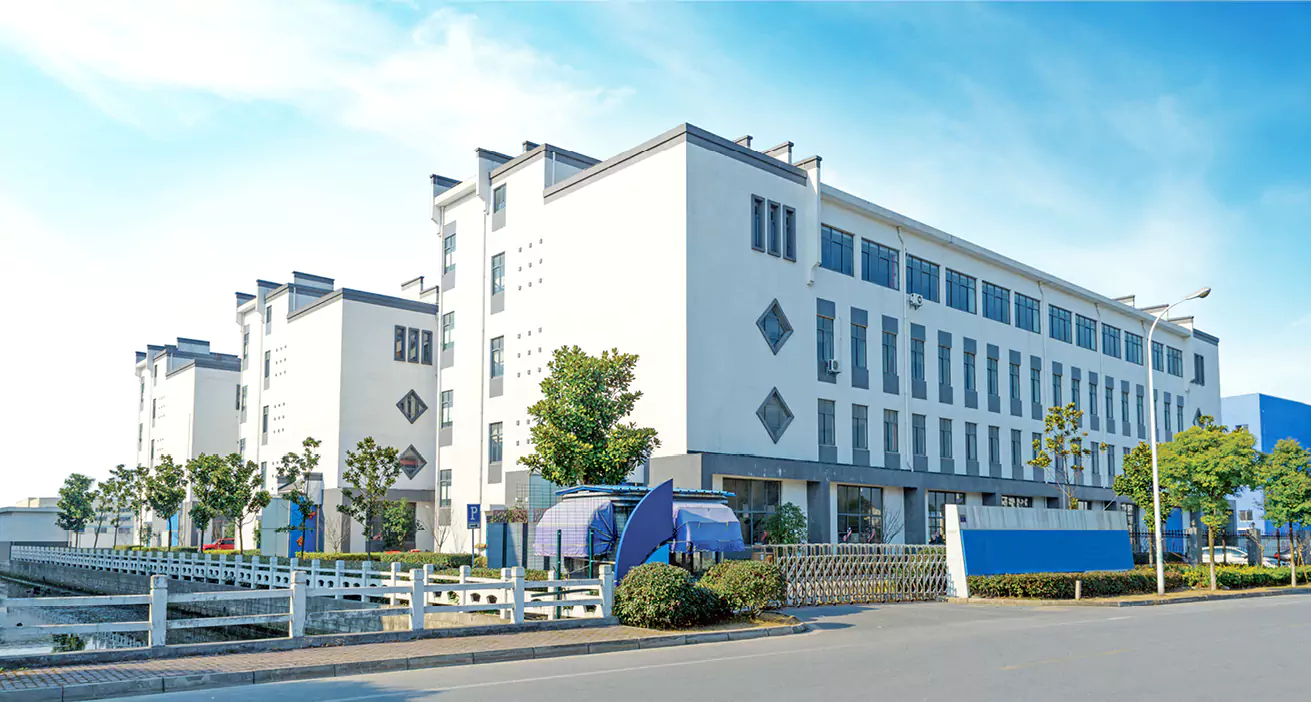
Cold Rolling Mill Factory: Advanced Steel Processing and Industrial Efficiency
2026-03-02
In the heart of modern industrial landscapes, the cold rolling mill stands as a pinnacle of precision and efficiency, transforming raw steel into high-performance materials for countless applications. At GRM, we've mastered the art of advanced steel processing, blending cutting-edge technology with decades of expertise to push the boundaries of what's possible. This blog will explore how our innovative systems enhance industrial efficiency, reduce waste, and deliver superior quality products that drive industries forward. Join us as we delve into the intricate world of cold rolling, where science meets craftsmanship in every coil and sheet, and see why GRM leads the charge in revolutionizing steel manufacturing. Get ready to discover the future of industrial efficiency—starting right here.
How Cold Rolling Mills Transform Steel for Modern Industries
Far beyond simply flattening metal, cold rolling mills are the unsung heroes that refine steel's properties for today's demanding applications. By compressing steel sheets at room temperature through a series of precisely calibrated rollers, this process doesn't just thin the material—it fundamentally alters its microstructure. The result is a product with superior surface finish, tighter dimensional tolerances, and enhanced strength through strain hardening, making it ideal for industries where precision and durability are non-negotiable, such as automotive body panels or aerospace components.
What sets modern cold rolling apart is its ability to tailor steel's characteristics with remarkable specificity. By adjusting parameters like rolling speed, reduction per pass, and tension control, manufacturers can produce steel with exact mechanical properties—whether it's ultra-thin foil for electronics requiring minimal electrical resistance or high-strength sheets for construction that must withstand immense loads. This versatility allows sectors like packaging, where lightweight yet robust materials are crucial, to innovate with confidence, pushing the boundaries of what steel can achieve in everyday products.
In industries driven by efficiency and sustainability, cold rolling mills contribute silently but significantly. The process reduces waste by enabling tighter control over material thickness, minimizing scrap compared to hot rolling methods. Moreover, the enhanced properties of cold-rolled steel often lead to lighter, more durable end-products, which in turn improve energy efficiency in fields like transportation and manufacturing. From sleek appliances to resilient industrial machinery, this transformation process ensures that steel remains a cornerstone of modern innovation, adapting seamlessly to evolving technological and environmental demands.
Key Technologies Driving Efficiency in Steel Processing Plants
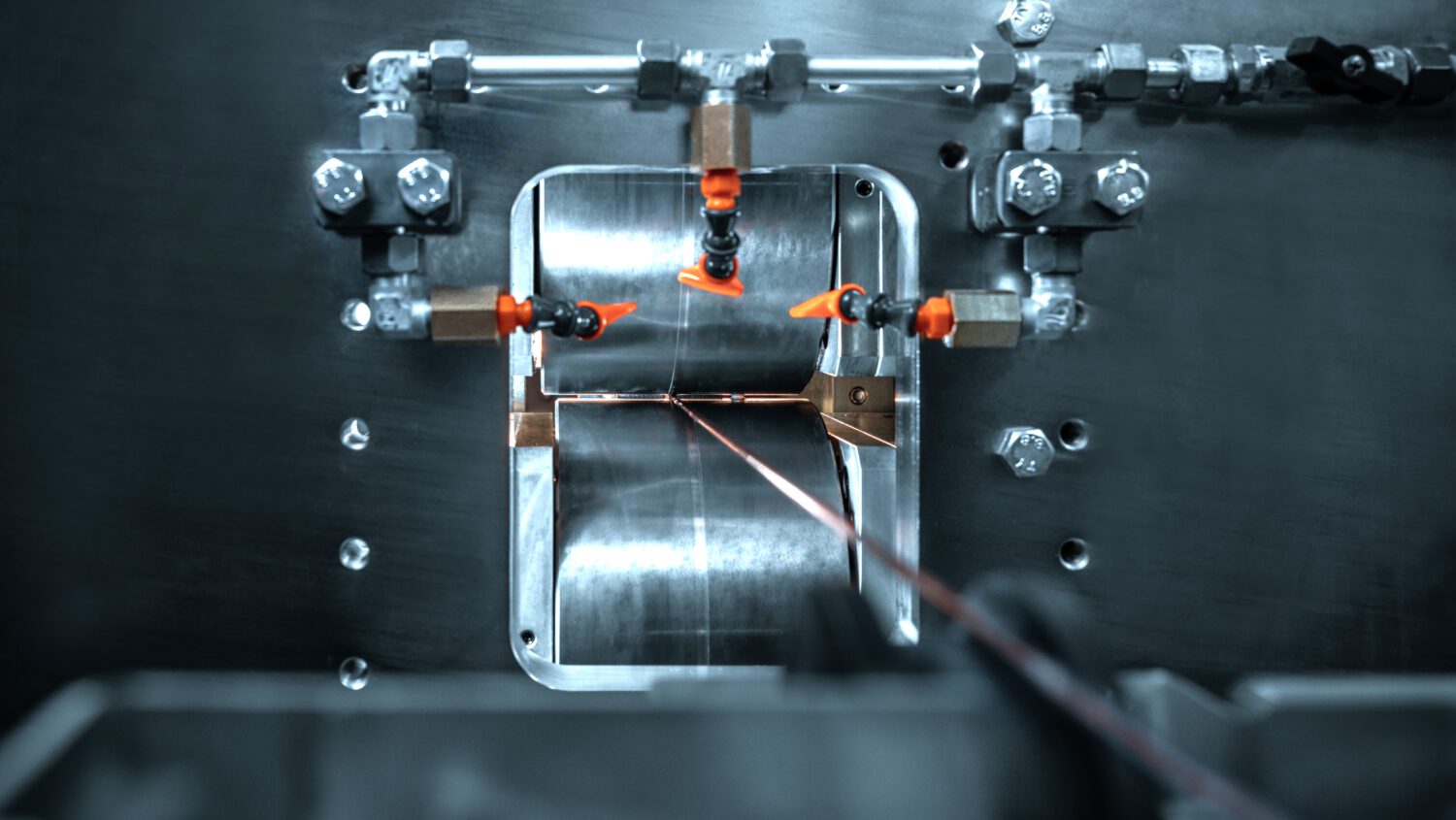
In the competitive steel industry, plants are increasingly turning to key technologies to enhance efficiency and reduce operational costs. Advanced automation systems, such as robotic arms and computer-controlled machinery, streamline repetitive tasks like material handling and quality inspection, minimizing human error and speeding up production lines. By integrating these systems with real-time monitoring, plants can swiftly adjust processes, responding to fluctuations in demand or raw material availability, which not only cuts downtime but also conserves energy and resources, leading to more sustainable operations.
Another crucial driver is the adoption of predictive analytics and IoT sensors, which transform data into actionable insights for proactive maintenance. By collecting data from equipment like furnaces and rolling mills, plants can predict failures before they occur, avoiding costly unplanned shutdowns and extending machinery lifespan. This data-driven approach allows for precise adjustments in chemical compositions and temperature controls, optimizing output quality while reducing waste. Moreover, it fosters a culture of continuous improvement, where each cycle of data analysis refines operations, making plants more resilient and agile in a fast-paced market.
Additionally, energy management technologies, such as waste heat recovery systems and smart grids, play a pivotal role in boosting efficiency and cutting emissions. By capturing and reusing heat from industrial processes, plants can significantly lower fuel consumption and operational expenses, contributing to a smaller environmental footprint. Coupled with real-time energy monitoring, this enables precise control over energy usage, aligning production schedules with optimal energy rates. Together, these innovations position steel plants not just as producers but as smart, forward-thinking entities that balance productivity with ecological responsibility, setting new standards for the industry.
Operational Workflow and Quality Control in Rolling Facilities
In rolling facilities, the operational workflow starts with meticulous planning and material preparation. Workers handle raw metals, such as steel or aluminum, through heating and initial shaping stages to ensure consistency before rolling. This phase often involves real-time monitoring using advanced sensors to adjust temperatures and pressures dynamically, minimizing delays and optimizing throughput. Regular maintenance checks on equipment, like rollers and conveyors, are integrated into daily routines to prevent breakdowns and maintain a smooth flow from one station to the next, keeping the production line agile and responsive to demand shifts.
Quality control is deeply embedded throughout the rolling process, not just as a final inspection. Automated systems perform continuous checks for thickness, surface finish, and mechanical properties, flagging anomalies instantly for review. Operators rely on both digital tools and hands-on expertise to calibrate machines and validate outputs, ensuring each batch meets strict industry standards. This dual approach reduces scrap rates and enhances product reliability, fostering a culture where quality is everyone's responsibility from the mill floor to management.
To stand out in competitive markets, many rolling facilities adopt innovative practices like predictive analytics and employee cross-training. By analyzing historical data, teams can forecast potential quality issues and adjust workflows preemptively, boosting efficiency. Cross-training empowers staff to handle multiple roles, enhancing flexibility and problem-solving on the shop floor. These strategies not only streamline operations but also build resilience, allowing facilities to adapt quickly to new materials or client specifications while maintaining high-quality outputs consistently.
Implementing Cost-Effective and Sustainable Practices
In today's business landscape, merging cost-effectiveness with sustainability is no longer just an option—it's a strategic necessity. Companies are discovering that implementing eco-friendly measures can significantly reduce operational expenses over time, creating a win-win scenario where financial savings and environmental responsibility go hand in hand. This approach often starts with simple yet impactful changes, such as optimizing energy usage or reducing waste, which not only cut costs but also enhance brand reputation and appeal to increasingly conscious consumers. By focusing on these practices, organizations can build resilience against market fluctuations while contributing positively to the planet.
One effective way to kickstart this journey is through a thorough assessment of current resource consumption. For instance, switching to renewable energy sources like solar or wind power might involve an initial investment, but the long-term payoff in lower utility bills and reduced carbon footprints makes it a smart move. Similarly, adopting a circular economy model—where materials are reused or recycled—can minimize procurement expenses and waste disposal fees. It's about thinking beyond short-term gains and investing in systems that pay dividends for years, fostering innovation and operational efficiency that keep a company competitive and responsible.
Ultimately, the success of these practices hinges on integrating them into the core of business culture, rather than treating them as standalone initiatives. Encouraging employee involvement through training and incentives can spark grassroots ideas that further trim costs and boost sustainability. By aligning organizational goals with practical, everyday actions, businesses can craft a unique edge in their sector, demonstrating that doing good for the environment doesn't have to come at the expense of the bottom line—it can actually strengthen it in unexpected ways.
Innovations and Customization for Diverse Industrial Needs
In today's rapidly shifting industrial landscape, companies face an array of unique challenges that demand more than just off-the-shelf solutions. Our approach hinges on crafting tailored innovations that adapt to specific operational demands, whether it's streamlining production lines in manufacturing or enhancing precision in heavy machinery. By integrating advanced technologies like automation and data analytics, we create systems that not only meet current needs but also evolve alongside future industry shifts.
Customization plays a pivotal role in addressing the varied requirements across sectors such as automotive, aerospace, and energy. We invest in collaborative design processes, working closely with clients to develop bespoke components and software that enhance efficiency and reduce downtime. This hands-on partnership ensures each solution is finely tuned to tackle complex workflows, delivering measurable improvements in performance without compromising on reliability or safety.
Beyond mere adaptation, our innovations foster a culture of continuous improvement, empowering industries to push boundaries and achieve new benchmarks. By embracing flexible modular designs and scalable platforms, we provide tools that thrive in diverse environments, from harsh outdoor settings to controlled laboratory conditions. Ultimately, this commitment to personalized technological advancement drives lasting value and sets a new standard for industrial excellence.
Safety Protocols and Workforce Management in Mill Operations
Mill operations demand rigorous safety protocols that go beyond basic compliance to ensure a secure working environment for all employees. Comprehensive safety measures include regular equipment inspections, mandatory personal protective gear, and emergency response drills tailored to specific risks like machinery malfunctions or material spills. By embedding safety into daily routines, mills can minimize accidents and boost employee confidence, leading to smoother operations and reduced downtime. Investing in advanced monitoring systems, such as real-time hazard detection sensors, further enhances proactive risk management, demonstrating a commitment to prioritizing worker well-being over mere regulatory adherence.
Effective workforce management in mills hinges on continuous training and clear communication channels to empower employees in maintaining safety standards. Tailored programs that address both technical skills and situational awareness help staff identify potential hazards before they escalate. For instance, hands-on workshops on lockout-tagout procedures or chemical handling not only reinforce protocols but also foster a culture of shared responsibility. By involving workers in safety audits and feedback loops, mills can adapt strategies to evolving challenges, ensuring that management practices remain dynamic and responsive to on-the-ground realities rather than static policies.
Integrating safety and workforce management transforms mills into resilient operations where employee engagement directly impacts productivity and morale. Practices like rotating high-risk tasks or implementing fatigue management schedules mitigate burnout and human error, while digital tools for scheduling and incident reporting streamline coordination across teams. This holistic approach not only meets industry benchmarks but also sets a precedent for innovation, making the mill a safer, more efficient workplace where every team member feels valued and equipped to contribute to long-term success without compromise.
FAQ
Cold rolling mills offer improved surface finish, tighter dimensional tolerances, and enhanced mechanical properties like strength and hardness, leading to higher-quality steel products suitable for precision applications.
By reducing material waste through precise thickness control and enabling faster production cycles with automated systems, cold rolling mills lower operational costs and boost throughput in steel plants.
Advanced mills incorporate automation, real-time monitoring sensors, and AI-driven adjustments for parameters like tension and speed, ensuring consistent quality and minimizing downtime.
Products find applications in automotive manufacturing for body panels, construction for structural components, and electronics for precision parts, due to their durability and fine finish.
Challenges include managing wear on rolling cylinders, controlling thermal expansion during operation, and ensuring lubrication systems function optimally to prevent defects like surface scratches.
Cold rolling requires more energy per ton due to the need for higher deformation forces at room temperature, but it often leads to energy savings downstream by reducing secondary processing needs.
Conclusion
Cold rolling mills are crucial in transforming steel to meet the demands of modern industries by enhancing its strength and surface quality through precise mechanical deformation. This process not only improves material properties for applications in automotive and construction but also integrates key technologies like automated systems and advanced sensors, which drive efficiency in steel processing plants. By optimizing operational workflows and implementing robust quality control measures, these facilities ensure consistent output while reducing waste. Innovations and customization further allow mills to adapt to diverse industrial needs, offering tailored solutions that enhance versatility and performance in a competitive market.
Alongside technological advancements, implementing cost-effective and sustainable practices has become a priority, with mills adopting energy-efficient methods and recycling initiatives to minimize environmental impact. Safety protocols and effective workforce management underpin these operations, ensuring a secure environment and skilled personnel capable of handling complex machinery. Together, these elements position cold rolling mills as leaders in advancing steel processing, balancing industrial efficiency with innovation and responsibility to drive future growth in the sector.
Contact Us
Contact Person: Rayna
Email: [email protected]
Tel/WhatsApp: 86 -173 1474 6343
Website: https://www.grmrollingmill.com/