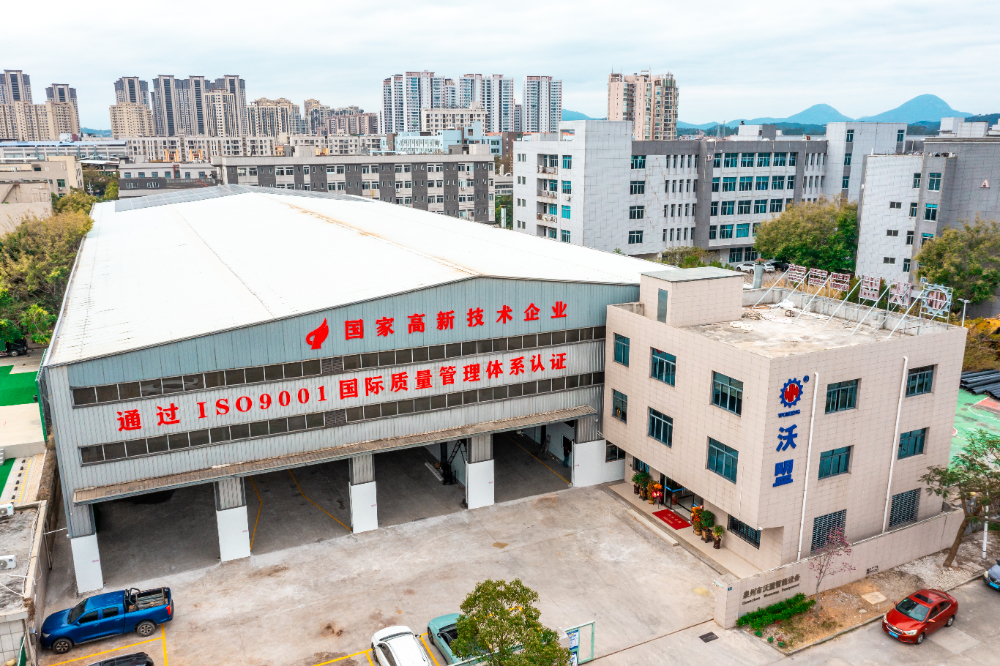
Full Servo Baby Diaper Machine: Advanced Automation for Efficient Production
2026-04-08
In today's fast-paced manufacturing landscape, efficiency and precision are not just goals—they're necessities. At the forefront of this evolution lies the Full Servo Baby Diaper Machine, a marvel of engineering that transforms production lines with its advanced automation capabilities. Imagine a system where every component operates in perfect harmony, minimizing waste while maximizing output—this is the reality we're exploring. As we delve into the innovations that make this technology a game-changer, we're proud to highlight the contributions of Womeng, a brand synonymous with cutting-edge solutions that redefine industry standards. From seamless servo synchronization to intelligent control systems, this machine sets a new benchmark, and in the following sections, we'll uncover how it can revolutionize your operations. Stay tuned to discover why embracing such automation isn't just an upgrade—it's a strategic leap forward.
Innovative Full Servo Technology for Enhanced Diaper Manufacturing
Imagine a diaper production line where every component moves with pinpoint accuracy, responding instantly to commands without the lag of traditional mechanical systems. That's the essence of our innovative full servo technology, which replaces outdated drive mechanisms with individual servo motors at each key station. This isn't just an incremental upgrade—it's a game-changer for manufacturers aiming to boost efficiency and adapt quickly to market shifts, allowing for seamless adjustments in size, design, or output with minimal downtime.
What truly sets this technology apart is its impact on product quality and operational flexibility. By eliminating the need for complex gearboxes and belts, the system reduces mechanical wear and tear, leading to fewer defects and more consistent diapers that meet stringent safety standards. Operators can now fine-tune parameters in real-time, whether adjusting absorbency layers or modifying elastic tension, enabling rapid prototyping and customization that previously required extensive retooling.
Beyond the production floor, full servo integration offers a sustainable edge by cutting energy consumption and waste. Smart controls optimize motor usage, slashing power draw during idle periods and reducing material scrap through precise cuts and placements. This technology isn't only about making diapers faster—it's about crafting them smarter, giving brands the agility to innovate while upholding environmental and economic responsibility in a competitive landscape.
Optimizing Production Efficiency with Automated Control Systems
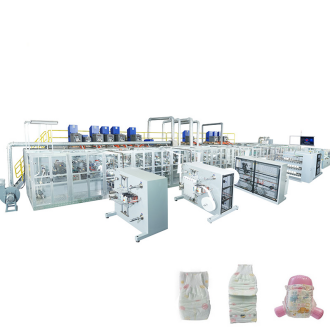
At its core, integrating automated control systems into production processes revolutionizes how efficiency is achieved. By replacing manual tasks with precise, programmable machinery, factories can streamline operations to minimize downtime and reduce human error. This approach isn't just about speed; it's about crafting a seamless workflow where sensors and software continuously monitor performance, allowing for real-time adjustments that fine-tune output. The result is a more agile production line that adapts quickly to demands while conserving energy and materials.
Beyond basic automation, advanced control systems leverage data analytics to uncover opportunities for improvement that might otherwise go unnoticed. These systems analyze patterns in production data, identifying bottlenecks or inefficiencies with a level of detail that manual oversight can't match. By processing this information, they enable proactive maintenance and optimized scheduling, ensuring equipment runs at peak performance. This data-driven insight transforms production from a reactive process into a strategic one, where every decision is informed by concrete metrics.
Looking ahead, the evolution of automated control systems is closely tied to trends like Industry 4.0, which emphasizes interconnectedness and smart technology. By integrating with the Internet of Things (IoT), these systems facilitate communication between machines, creating a cohesive network that shares information instantaneously. This connectivity allows for even greater synchronization across different stages of production, enhancing collaboration and responsiveness. Ultimately, it's not just about automating tasks but building an intelligent ecosystem that drives continuous improvement and sustainable growth.
Key Components and Design Features of Modern Baby Diaper Machines
Modern baby diaper machines are marvels of engineering, integrating sophisticated components like high-precision tension controls and advanced sensors that ensure materials align perfectly during production. These systems often feature modular designs, allowing manufacturers to easily swap parts for different diaper types or sizes, boosting flexibility and reducing downtime. The use of servo motors enhances speed and accuracy, while innovative feeding mechanisms handle delicate layers like non-woven fabrics and absorbent cores without compromising quality.
Design-wise, today's machines prioritize user-friendliness with intuitive touchscreen interfaces and automated cleaning cycles that simplify maintenance. Many models incorporate energy-efficient technologies, such as variable frequency drives, to cut operational costs and support sustainable manufacturing. Safety features, like emergency stops and protective guards, are seamlessly integrated to protect operators, making these machines not only productive but also compliant with strict industrial standards.
Another standout aspect is the seamless integration of quality control systems, including real-time monitoring cameras and defect detection algorithms that immediately flag issues like poor sealing or inconsistent sizing. This proactive approach minimizes waste and ensures every diaper meets high standards. With smart connectivity options, operators can remotely track performance data, allowing for quick adjustments and predictive maintenance that keeps production lines running smoothly around the clock.
Streamlining Operations for High-Volume Diaper Output
In the fast-paced world of diaper manufacturing, scaling production to meet high demand requires more than just adding machines; it involves a holistic rethinking of workflows and systems. By implementing lean principles and automated quality checks, manufacturers can reduce bottlenecks and minimize waste, ensuring that each diaper meets stringent standards without slowing the line. This approach not only boosts output but also enhances product consistency, which is crucial for maintaining consumer trust and satisfaction in a competitive market.
Another key aspect of streamlining operations lies in optimizing supply chain logistics and material handling. For high-volume diaper output, even minor inefficiencies in sourcing raw materials or inventory management can lead to significant delays. Adopting real-time tracking systems and predictive analytics helps forecast demand more accurately, allowing for just-in-time deliveries and reducing storage costs. This integration of smart technologies creates a more responsive operation, capable of quickly adapting to fluctuations in production needs while keeping costs under control.
Beyond technology, fostering a culture of continuous improvement among staff is vital for long-term efficiency. Training employees to identify and resolve process inefficiencies empowers them to contribute directly to enhanced output. Regular feedback loops and cross-departmental collaboration ensure that insights from the production floor are integrated into broader operational strategies, driving innovation and making the entire system more agile. This human-centric approach ensures that streamlining efforts are sustainable and adaptable to future challenges.
Advantages of Servo-Driven Automation in Diaper Production
The integration of servo-driven automation into diaper production lines is revolutionizing the industry by offering superior control and precision. Unlike traditional mechanical systems that rely on fixed speeds and rigid movements, servo motors provide dynamic adjustments in real-time, allowing machines to match exact specifications. This results in more consistent product quality, as each diaper can be assembled with tight tolerances, minimizing defects like misaligned tabs or uneven absorbency layers. It's a game-changer for manufacturers who need to meet strict regulatory standards while boosting output, ensuring every batch meets high consumer expectations without manual intervention.
Another key advantage is the enhanced flexibility that servo-driven systems bring to production environments. With programmable settings, these systems can quickly switch between different diaper sizes or designs—think from newborn to adult incontinence products—without lengthy downtime or retooling. This adaptability not only accelerates changeovers but also supports just-in-time manufacturing, reducing inventory costs and enabling rapid response to market trends. In an era where customization is increasingly valued, this capability allows companies to cater to niche segments efficiently, something that would be cumbersome with older automation methods.
Beyond quality and flexibility, servo-driven automation contributes significantly to energy savings and maintenance efficiency. Servo motors operate only when needed, consuming power proportionally to the task at hand, which can cut energy costs by up to 30% compared to continuous-run systems. Additionally, their advanced diagnostics and reduced mechanical wear lead to fewer breakdowns and longer equipment lifespans, lowering operational expenses over time. For diaper producers aiming to enhance sustainability and reduce waste, this not only improves the bottom line but also aligns with eco-friendly initiatives, making it a smart long-term investment.
Future Trends and Innovations in Automated Diaper Machinery
In the coming years, automated diaper machinery is set to become significantly smarter, with AI-driven sensors that adapt in real-time to varying materials and production speeds. These systems won't just detect defects; they'll predict and prevent issues before they arise, boosting efficiency while reducing waste. Expect machines that seamlessly integrate with factory IoT networks, offering data insights that help optimize entire supply chains, from raw material sourcing to packaging.
Innovations are also focusing on customization and sustainability. New machines will handle eco-friendly materials like bamboo and recycled fibers more efficiently, with modular designs allowing quick swaps for different diaper types or sizes. This flexibility caters to growing consumer demand for personalized products and greener options, making factories more agile in responding to market trends.
Another key trend is the rise of collaborative robotics, where compact, dexterous robots work alongside human operators to handle delicate tasks or complex assemblies. These advancements will enhance safety and precision, while cutting down on manual labor costs. Integrated smart maintenance systems, using predictive analytics, will further minimize downtime, ensuring smoother, uninterrupted production lines that keep pace with global demand.
FAQ
The Full Servo Baby Diaper Machine integrates high-precision servomotors for synchronized operation across all stages, including core formation, elastic application, and sealing. This setup enhances flexibility, allowing quick changeovers between diaper sizes and materials without manual adjustments, while reducing waste and improving production speed by up to 20% compared to traditional systems.
Advanced sensors and real-time monitoring systems check for defects, such as misaligned components or uneven absorbency, during the manufacturing process. Automated feedback loops adjust parameters on-the-fly, maintaining tight tolerances and ensuring each diaper meets strict quality standards without frequent human intervention.
Designed for 24/7 operation, the Full Servo Baby Diaper Machine boasts a robust construction and minimal downtime, thanks to features like self-diagnostic tools and easy-access maintenance points. Its high throughput and efficiency make it ideal for meeting high-volume demands in competitive markets.
Yes, it supports various materials, including biodegradable fibers and hypoallergenic options. The servo-driven components allow precise control over material handling, enabling customization for niche products, such as diapers with enhanced breathability or specific absorbency levels, without compromising production efficiency.
By automating repetitive tasks like material feeding and quality checks, the machine reduces reliance on manual labor, cutting labor costs by approximately 30%. It also optimizes energy use and material consumption, leading to lower operational expenses over time.
Comprehensive training modules and on-site technical support are provided, covering setup, troubleshooting, and maintenance. This ensures operators can quickly master the system, minimizing learning curves and enhancing productivity from day one.
Unlike older hydraulic or semi-automated models, this machine offers greater precision, faster changeovers, and improved reliability. Its servo technology eliminates mechanical linkages that can wear out, resulting in smoother operation and longer service life with less maintenance.
Conclusion
The Full Servo Baby Diaper Machine revolutionizes diaper manufacturing through its innovative full servo technology, which provides precise control over every aspect of production. By incorporating advanced automation systems, this machine enhances operational efficiency, allowing for seamless adjustments in speed, tension, and material handling. Key components, such as high-precision servomotors and intelligent sensors, ensure consistent quality and minimal waste, while ergonomic design features facilitate easy maintenance and scalability. These elements collectively streamline operations, enabling high-volume output without compromising on the delicate standards required for baby products, making it a cornerstone in modern diaper production facilities.
Servo-driven automation offers significant advantages, including reduced downtime, energy savings, and improved product uniformity, which boost overall productivity and cost-effectiveness. Looking ahead, future trends in automated diaper machinery point toward increased integration of IoT and AI for predictive maintenance and real-time optimization, further pushing the boundaries of efficiency. As the industry evolves, these innovations promise to keep full servo machines at the forefront, delivering sustainable and adaptable solutions that meet growing global demand while maintaining a competitive edge in a dynamic market.
Contact Us
Contact Person: Jessie Lai
Email: [email protected]
Tel/WhatsApp: 86-188594442931
Website: https://www.wm-machinery.com