
Metal Forming Machines Solutions: Innovative Strategies for Efficient Production
2026-01-28
In the dynamic world of metalworking, the pursuit of efficiency and innovation drives every aspect of production. 'Metal Forming Machines Solutions: Innovative Strategies for Efficient Production' explores the cutting-edge technologies and methods that are reshaping this vital industry. At GRM, we're at the forefront, offering tailor-made solutions that not only boost productivity but also reduce waste and operational costs. Dive into this blog to uncover practical insights and forward-thinking approaches that can revolutionize your manufacturing processes. Whether you're a seasoned pro or new to the field, you'll find valuable strategies to keep you ahead of the curve—fueling curiosity and setting the stage for transformative change.
Optimizing Metal Forming with Advanced Technology Integration
In today's competitive manufacturing landscape, optimizing metal forming processes has become essential for achieving higher efficiency, precision, and cost savings. The integration of advanced technologies, such as computer-aided engineering (CAE) simulations and real-time monitoring systems, allows for predictive maintenance and reduced material waste. By leveraging these tools, companies can simulate forming operations before actual production, identifying potential defects and optimizing parameters like temperature and pressure. This proactive approach minimizes trial-and-error cycles, leading to faster turnaround times and enhanced product quality, ultimately driving innovation in industries ranging from automotive to aerospace.
Beyond traditional methods, the incorporation of Internet of Things (IoT) sensors and data analytics has revolutionized metal forming optimization. These technologies enable continuous data collection from machinery, such as stamping presses or forging equipment, providing insights into performance metrics like tool wear and energy consumption. By analyzing this data, manufacturers can implement adaptive control systems that automatically adjust settings to maintain optimal conditions. This not only boosts productivity but also extends equipment lifespan, ensuring consistent output even in high-volume production environments.
Looking ahead, the fusion of artificial intelligence (AI) and additive manufacturing is set to further transform metal forming. AI algorithms can analyze vast datasets to identify patterns and suggest improvements, while 3D printing technologies offer novel approaches for creating complex geometries with minimal material usage. This synergy accelerates customization and prototyping, allowing for rapid iteration and reduced lead times. As these advanced technologies become more accessible, they empower manufacturers to stay agile and responsive to market demands, pushing the boundaries of what's possible in metal fabrication.
Customized Solutions for Enhanced Production Efficiency
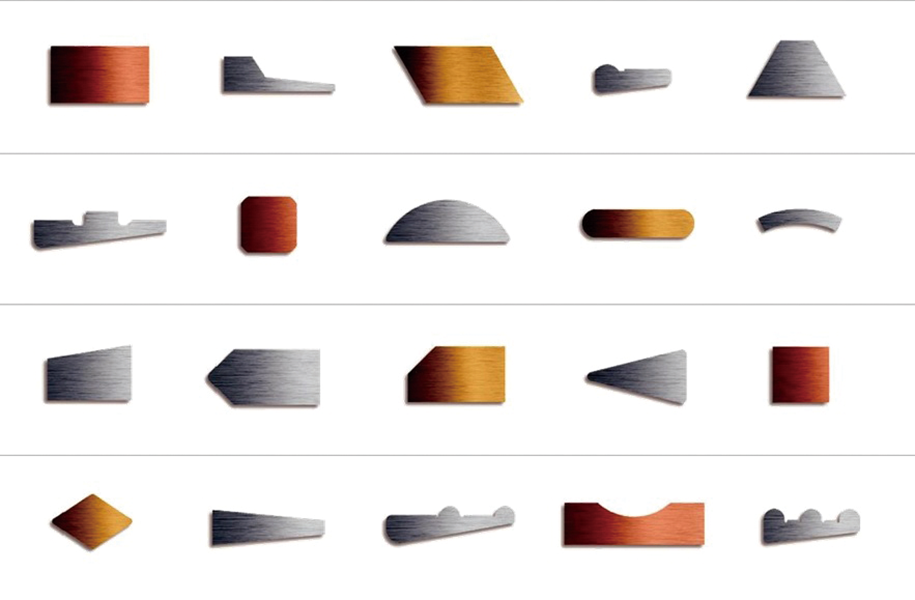
At the core of modern manufacturing success lies the ability to adapt and fine-tune production processes to specific operational needs. Customized solutions are not just about implementing off-the-shelf technology; they involve a deep dive into your unique workflows, challenges, and goals. By tailoring systems—whether through software integrations, hardware modifications, or process redesign—these solutions directly target bottlenecks and inefficiencies, leading to smoother operations and reduced waste. It's a proactive approach that moves beyond generic fixes to create lasting improvements in how things are made.
What sets these tailored strategies apart is their focus on scalability and flexibility. Instead of forcing your production line to fit rigid standards, customized solutions evolve alongside your business, accommodating shifts in demand or new product introductions without overhauling entire systems. For instance, integrating modular equipment or developing bespoke software interfaces can streamline changeovers and enhance real-time monitoring. This adaptability not only boosts immediate efficiency but also builds resilience, ensuring that your operations remain competitive and responsive in a fast-paced market.
Ultimately, the impact of such personalized approaches goes beyond mere numbers on a spreadsheet. By aligning solutions closely with your team's expertise and daily tasks, they foster a more engaged workforce and reduce the learning curve associated with new technologies. This human-centric element, combined with data-driven insights, cultivates a culture of continuous improvement where efficiency gains become sustainable. In essence, customized solutions transform production from a static process into a dynamic, optimized journey toward excellence.
Sustainability Drives in Modern Metal Forming Processes
In today's metal forming industry, sustainability is no longer just a buzzword but a core driver reshaping processes from the ground up. Companies are increasingly adopting energy-efficient technologies like servo-electric presses, which slash power consumption by up to 80% compared to traditional hydraulic systems. This shift not only reduces operational costs but also cuts carbon footprints, aligning with global environmental goals. Beyond equipment, new alloys and lightweight materials are being integrated to minimize waste and enhance recyclability, pushing the boundaries of what's possible in eco-conscious manufacturing.
Another key aspect is the use of advanced simulation software, which allows engineers to optimize designs before any physical material is used. This digital-first approach dramatically reduces trial-and-error runs, conserving raw materials and energy. Moreover, water-based lubricants and closed-loop cooling systems are replacing older, more polluting alternatives, ensuring that even ancillary processes contribute to a greener workflow. These innovations highlight how modern metal forming is evolving to meet stringent environmental regulations while maintaining high productivity and quality standards.
Looking ahead, sustainability drives are fostering collaboration across supply chains, with manufacturers sharing best practices on reducing emissions and waste. Initiatives like remanufacturing worn-out tools and implementing smart sensors for real-time energy monitoring are becoming standard. This holistic view ensures that every step, from raw material extraction to final product delivery, is scrutinized for its environmental impact, cementing metal forming's role in a more sustainable industrial future.
Real-Time Monitoring and Control for Precision Manufacturing
In precision manufacturing, real-time monitoring acts as the eyes and ears of intricate production lines, catching deviations before they escalate into costly errors. By integrating advanced sensors and IoT devices, manufacturers can track every micrometric adjustment and temperature fluctuation as they happen. This continuous flow of data provides an unprecedented level of transparency, allowing for immediate responses to maintain stringent quality standards and optimize material usage down to the last gram.
Control systems empowered by real-time insights transform static manufacturing floors into dynamic, adaptive environments. Instead of relying on periodic checks, operators receive instant feedback that enables on-the-fly corrections, such as recalibrating a CNC machine mid-operation or adjusting pressure in a molding process. This agility not only reduces downtime but also supports a culture of continuous improvement, where each production cycle learns from the last to achieve finer tolerances and higher repeatability, making perfection a daily target rather than a distant ideal.
Beyond immediate process adjustments, real-time capabilities pave the way for predictive maintenance and deeper process analytics. By analyzing trends as they unfold, manufacturers can anticipate equipment wear or identify subtle patterns that hint at potential defects, shifting from reactive fixes to proactive strategies. This approach not only extends machinery lifespan but also enhances overall operational resilience, ensuring that even the most complex assemblies meet exact specifications consistently, driving innovation in sectors from aerospace to medical devices.
Innovative Material Handling Techniques to Reduce Downtime
In modern manufacturing and logistics, downtime is more than just a minor inconvenience—it’s a significant drain on productivity and profitability. To combat this, innovative material handling techniques have emerged as game-changers, focusing on streamlining workflows and minimizing interruptions. For instance, automated guided vehicles (AGVs) equipped with advanced sensors can navigate complex environments independently, reducing reliance on manual labor and decreasing the risk of human error that often leads to delays. By implementing such solutions, companies can achieve smoother operations, faster turnaround times, and enhanced overall efficiency, directly addressing the core challenge of downtime.
An often-overlooked aspect is predictive maintenance integrated into material handling systems. Instead of waiting for equipment to fail, smart sensors and IoT-enabled devices monitor components in real-time, predicting potential breakdowns before they occur. This proactive approach allows for scheduled repairs during non-peak hours, preventing unexpected halts in production lines. For example, conveyor belts with vibration analysis tools can alert operators to wear and tear, enabling timely interventions that keep materials flowing seamlessly and maintain a steady operational rhythm.
Beyond hardware, software innovations like AI-driven routing algorithms play a crucial role in optimizing material flow. These systems analyze data from multiple sources to dynamically adjust paths and priorities, avoiding bottlenecks or congestion that traditionally cause delays. In warehousing, robotic picking arms combined with machine learning can adapt to varying item sizes and weights, ensuring consistent throughput without unnecessary pauses. By embracing these cutting-edge techniques, businesses not only slash downtime but also build a more resilient and responsive handling framework, turning potential disruptions into opportunities for refinement.
Adaptive Systems for Flexible and Scalable Operations
Adaptive systems are revolutionizing how businesses manage operations by enabling real-time adjustments to changing conditions. Unlike static setups that struggle with unpredictability, these systems leverage data analytics and machine learning to dynamically optimize processes, ensuring agility in response to market shifts or internal demands. This flexibility allows companies to scale up or down seamlessly without the bottlenecks often seen in traditional models.
By integrating modular components and automation, adaptive systems reduce reliance on manual interventions, cutting costs and minimizing errors. They empower teams to focus on strategic tasks rather than routine upkeep, fostering a culture of innovation. As organizations grow, these systems can expand naturally, handling increased loads without compromising performance, making them ideal for industries like tech or logistics where volatility is constant.
The key to their success lies in continuous learning—they evolve based on feedback loops, refining algorithms over time to stay ahead of trends. This proactive approach not only enhances efficiency but also builds resilience against disruptions, ensuring long-term sustainability in fast-paced environments.
FAQ
These solutions often integrate advanced automation and precision control, reducing material waste and enhancing repeatability in high-volume production.
By incorporating real-time monitoring systems and adaptive feedback loops, they optimize cycle times and minimize downtime through predictive maintenance.
Using servo-driven presses and energy recovery systems, along with smart scheduling to align operations with off-peak energy demands, significantly cuts power usage.
AI algorithms analyze operational data to fine-tune parameters, predict tool wear, and suggest adjustments for optimal performance without human intervention.
Enhanced safety features include light curtains, pressure-sensitive mats, and automated shutdown protocols that respond instantly to anomalies, ensuring worker protection.
Tailored solutions often involve modular designs and flexible tooling, allowing quick adaptation to different materials and complex shapes for niche applications.
Emerging trends focus on sustainability, such as using recycled materials and eco-friendly lubricants, combined with increased connectivity for remote operation and data sharing.
Precision ensures tight tolerances and high-quality finishes; it's achieved through high-resolution sensors, closed-loop controls, and rigorous calibration processes that minimize deviations.
Conclusion
The article "Metal Forming Machines Solutions: Innovative Strategies for Efficient Production" explores key advancements in the metal forming industry, emphasizing how technology integration and customization drive productivity. It covers optimizing processes through advanced technology, such as real-time monitoring and control systems, which enable precision manufacturing and reduce errors. Customized solutions are highlighted for enhancing production efficiency by tailoring equipment to specific operational needs, while innovative material handling techniques minimize downtime. This blend of technological innovation and bespoke approaches ensures that metal forming operations become more streamlined and cost-effective.
Furthermore, the article addresses sustainability and adaptability as crucial factors in modern metal forming. Sustainability drives are incorporated into processes to reduce environmental impact and promote resource efficiency, aligning with industry trends towards greener manufacturing. Adaptive systems support flexible and scalable operations, allowing facilities to adjust quickly to changing demands or production scales. By integrating real-time data and adaptive technologies, businesses can achieve more resilient and efficient workflows, ultimately leading to improved competitiveness and long-term growth in the dynamic metal forming sector.
Contact Us
Contact Person: Rayna
Email: [email protected]
Tel/WhatsApp: 86 -173 1474 6343
Website: https://www.grmrollingmill.com/