
Recovery Machine Manufacturer Tips for Finding Durable Equipment
2026-11-05
A recovery machine that quits on a hot rooftop isn't just an inconvenience—it's a profit killer. Yet spotting durable equipment before you buy is harder than it looks, especially when every spec sheet promises the same thing. This post lays out the field-tested tips you need, from checking pump internals to reading warranty language like a pro. As a recovery machine manufacturer, HONGSEN knows where cheap builds cut corners—and where lasting value hides. Here's how to find equipment that won't let you down.
How the Outer Shell Reveals What's Inside
A scuffed shoe, a frayed hem, a faded label—these aren’t flaws but quiet testimonies. The way an outer shell wears tells the story of how it was used, and in that story lies the truth of its inner making. Cheap materials crack and peel under pressure; well-built ones develop a patina that speaks of resilience rather than decay.
Look closely at a wooden box or a leather satchel. The surface doesn’t just protect what’s inside—it echoes the care put into every stitch and joint. A hurried glue line or a misaligned edge can reveal more about the maker’s priorities than any advertisement. The shell is honest because it has no reason to lie; it absorbs every touch, every journey, every mistake.
Sometimes the reveal is gradual, like a book whose cover softens from countless thumb-flicks, hinting at the well-thumbed pages within. Other times it’s immediate: a door that closes with a solid thunk instead of a hollow rattle. Either way, the outer shell is a translator—turning the language of material and craft into something we can feel before we even look inside.
Compressor Quality Separates Disposable Tools from Long-Term Workhorses
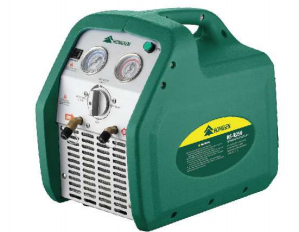
Cheap compressors tend to share a few telltale weaknesses: thin reed valves, plastic fittings where metal should be, and cylinder bores that lose their crosshatch after a couple of oil changes. A serious unit earns its keep by surviving heat cycles that would warp budget parts. The difference shows up in things like cast iron sleeves, oversized bearings, and pressure switches rated for hundreds of thousands of cycles, not just the first season.
Long-term workhorses also make maintenance less of a gamble. Drain valves don't seize shut after a week of moisture, gaskets stay seated under load, and oil stays cleaner because the pump runs cooler. You can usually spot the disposable ones by the vibration at startup and the faint smell of overheated enamel after a sustained run. That's not just wear and tear; it's the design telling you it was never meant for a second decade.
Lightweight Designs That Don't Sacrifice Rigidity
Cutting mass usually means accepting more flex, but a handful of structural tricks flip that tradeoff. Hollow sections with internal ribbing, for example, let a part keep most of its bending stiffness while shedding over a third of its weight. The ribs aren't just added for show; they channel load paths away from the thin outer walls, which would otherwise buckle under torsion.
Material choice also plays an outsized role. Unidirectional carbon fiber laid along the primary stress lines can be stiffer than a solid aluminum block at a quarter of the mass, but only if the layup schedule is tuned precisely. Get the fiber angles wrong by a few degrees and the part turns into a noodle. That's why prototype testing with strain gauges often reveals surprises that simulations miss.
In practice, this balance shows up in everything from aircraft brackets to racing drone frames. Designers who obsess over every gram still run modal analysis on the finished assembly—not to shave more weight, but to catch the resonant frequencies that a lighter, stiffer structure tends to push into audible or destructive ranges.
Why Sealed Components Matter More Than You'd Think
Most of us never stop to consider what keeps a switch or sensor alive through years of dust, moisture, and constant vibration. The answer often sits behind a simple phrase: sealed components. Without this layer of protection, tiny particles can creep into contact points, causing intermittent failures that drive technicians crazy. Water ingress, in particular, turns a minor electrical issue into a full-blown corrosion problem. It's the kind of slow damage that never shows up in a quick bench test, but only after the equipment has been running in the field for months.
Here's the part that surprises many designers: sealing isn't just about keeping the bad stuff out. It's also about preserving the internal atmosphere that makes components behave predictably. A sealed switch, for example, maintains consistent pressure and prevents oxidation on the contact surfaces. That means the actuation force stays steady, the electrical resistance doesn't drift, and the life cycle rating actually means something. When you skip sealing to save a few cents, you're betting that every installation will be gentle, clean, and dry. That's a bet that rarely pays off.
What's often overlooked is the difference between a component that survives and one that keeps working exactly as specified. Unsealed parts may limp along for years, but their performance degrades silently. The click becomes mushy, the signal gets noisy, and eventually the whole system loses reliability. Sealed components remove that uncertainty. They let you design with confidence, knowing that the switch hidden inside a factory robot arm or a marine control panel won't suddenly change its behavior because the weather shifted. It's not glamorous, but it's the foundation every dependable machine is built on.
Real-World Testing: Ask About Drop and Vibration Standards
Most product pages list basic specs like size and weight, but they rarely mention what happens when a device slips off a desk or rides in a delivery truck for three days. A useful conversation starter is to ask the manufacturer how they simulate real-world abuse. Do they test repeated drops onto concrete from pocket height, or only a single fall onto carpet? Vibration testing should mimic the rumble of a vehicle engine or a factory floor, not just a gentle shaker table. The answers often reveal whether the design team actually thought about life outside a padded box.
Ask for numbers: how many drops from what height, on which surface, with the device powered on or off. A robust claim like 'meets MIL-STD-810H' can sound reassuring, but without the specific test procedure, it means little. The same standard allows for a wide range of setups, from 26 drops on plywood to 5 drops on steel. Vibration profiles matter too - a quick sweep at low frequency won't catch solder joint fatigue that appears after weeks of highway driving. If the vendor can't provide a test report, treat the ruggedness claims as marketing fluff.
Field returns are the ultimate stress test. Ask whether the company tracks failure rates from drops and vibration in actual customer environments, not just in the lab. A product that survives a certified test but fails after six months on a forklift mount has a design gap. The best vendors will share anecdotes from their support team - not as polished case studies, but as honest lessons about cracked enclosures or loosened connectors. That's where you find out if the mounting points were over-molded or the internal cables have strain relief that actually works.
Warranties That Actually Reflect Durability, Not Marketing
A warranty that truly mirrors how long a product is built to last doesn't read like a legal escape hatch. It spells out plain terms: what's covered under normal use, how wear and tear is handled, and how the company will make things right without asking you to jump through hoops. When a brand hides behind fine print, short windows, or endless exclusions, the warranty becomes a marketing prop rather than a statement of confidence.
Look past the bold promises and check the mechanics. Does the warranty cover parts that actually fail first, like zippers, seams, motors, or electronic boards? Is the coverage period longer than the typical lifespan of similar products, or just barely enough to clear the return window? A meaningful warranty often includes repair options instead of forcing a replacement, because repairing something well is a sign the maker expects it to keep going.
The most telling signal is how a company behaves when you actually file a claim. If the process is straightforward, the response is quick, and the outcome honors the original promise without reinterpreting it, then the warranty is woven into the product's design philosophy. Otherwise, it's just another box ticked on a spec sheet, designed to reassure rather than to be used.
FAQ
Focus on compressors built with hardened internal components, oil-less designs where appropriate, and a stated duty cycle that matches continuous use. Cheaper units often cut corners on thermal protection, so ask about overload safeguards before purchasing.
Hoses are a common failure point. Look for reinforced, abrasion-resistant materials and metal fittings instead of plastic. Quick-connect ports should feel solid and have replaceable seals. If the manufacturer doesn't list hose specifications, that's a red flag.
A rigid metal frame or high-impact polymer shell with rubber corner bumpers helps. Check whether the control panel is recessed or protected by a guard. Machines with exposed gauges and switches tend to fail early when dropped or bumped.
Thermal protection prevents the motor from overheating during extended recovery jobs. A quality machine will automatically shut down or reduce load before damage occurs. Without this, repeated heat cycles can warp windings and shorten motor life significantly.
Request maintenance logs or teardown photos, ask about the type of bearings used, and look for third-party field reports from technicians. Manufacturers that offer extended warranties on the compressor and motor usually have more confidence in their build quality.
Generally yes. Machines with simpler drive trains, fewer exposed linkages, and direct-drive designs have fewer points of wear. However, avoid oversimplified units that sacrifice serviceability—you still want easy access to filters and valves.
Change inlet filters on schedule, purge the machine after each use, keep the condenser fins clear of debris, and inspect fittings for leaks before every job. Even the toughest machine will fail early if basic care is ignored.
Some refrigerants are more corrosive or operate at higher pressures. A durable machine should specify compatible refrigerants and use seals, O-rings, and valve materials rated for those chemicals. Using the wrong refrigerant can degrade internals quickly.
Conclusion
A recovery machine that lasts starts with an honest look at its shell. Thick, uniform panels with tight seams and a finish that doesn’t chip under a fingernail usually mean the manufacturer didn’t cut corners elsewhere. The compressor is the next tell. Brands that name the compressor supplier and publish duty-cycle ratings are more likely to sell a workhorse than a disposable tool. If the unit weighs far less than comparable models, ask where the savings came from; a rigid frame with a light but stiff chassis is fine, but flimsy bends under normal handling are not.
Sealed components separate field-ready machines from garage toys. Switches, ports, and joints that resist moisture and refrigerant blow-by will survive rough job sites. Ask the manufacturer about drop and vibration testing; any serious builder runs units through repeated drops and transport simulation, not just a bench test. Finally, read the warranty language. A meaningful warranty covers the compressor and sealed system for several years without excluding normal wear, while a marketing warranty hides behind short terms and fine print. Together these details reveal whether a recovery machine is built to recover refrigerant for years or just to clear a shelf.
Contact Us
Contact Person: KOPASS HO
Email: [email protected]
Tel/WhatsApp: 8613606566112
Website: https://www.hongsenref.com/