
RF Skin Tightening Machine Company Questions to Ask Before You Buy
2026-09-26
Shopping for an RF skin tightening machine? The market is flooded with options, but not all companies are created equal. Before you sign that purchase order, there are a handful of non-negotiable questions you should be asking—about device quality, clinical evidence, and after-sales support. Brands like Omeina set a high bar, but you need to know exactly what separates the best from the rest. Here’s what to ask before you buy.
Does the Seller Use the Machine on Real Clients?
A machine demo on a silicone pad or a willing staff member won't tell you much about how it holds up during a full day of real appointments. Ask the seller if they personally use this exact model on paying clients—and if so, for which treatments and how many sessions per week. The answer often separates a reseller flipping boxes from someone who knows the device's quirks.
When a seller does use it on clients, their feedback shifts from vague promises to specifics: which energy levels they actually use, how long tips last before replacement, how clients react during and after the session, and what they do when something overheats or flashes an error mid-treatment. That kind of detail only comes from repeated, revenue-dependent use.
If the seller hesitates, says they only tested it once, or claims it's 'just like' the machine they use, dig deeper. A real client-use history often includes before/after photos, treatment logs, or even a chance to watch a live session. No single answer proves quality, but patterns of honest, hands-on use are hard to fake.
What's the Real Story on Replacement Parts and Downtime?
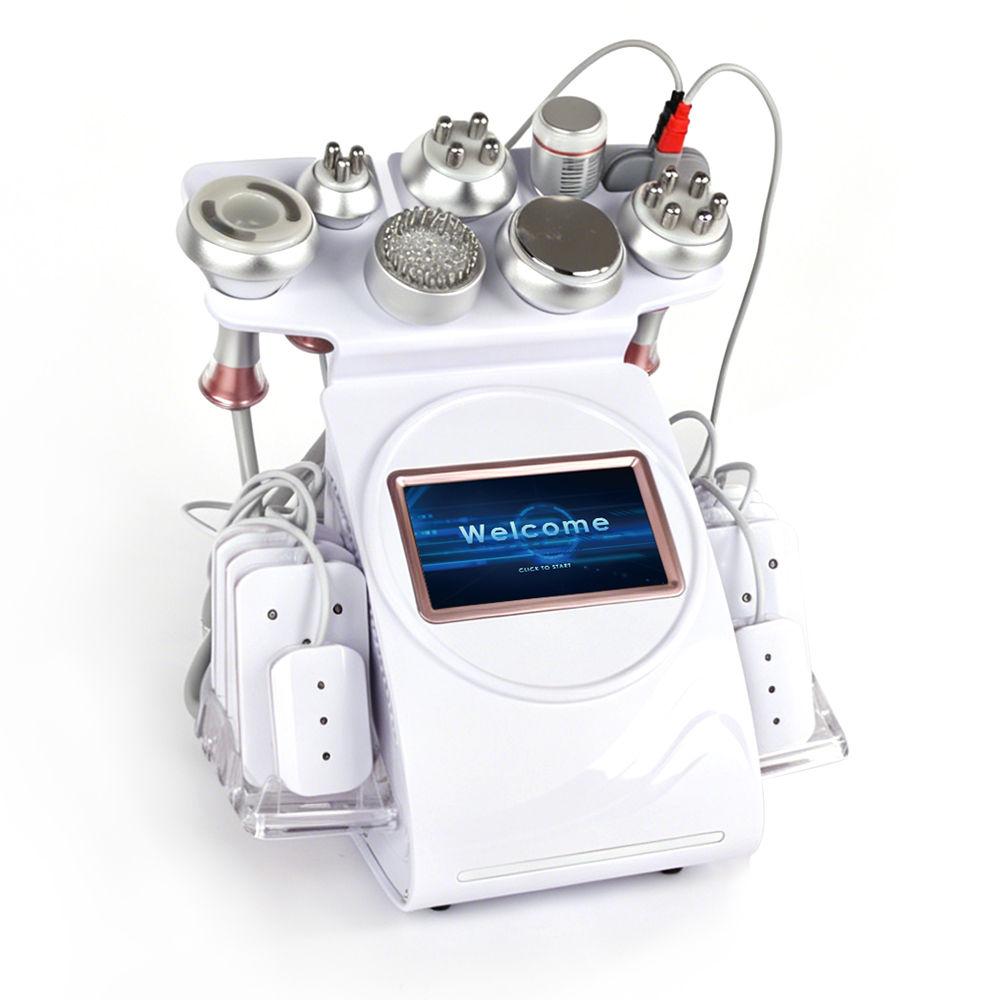
Most teams assume downtime begins the moment a machine stops, but that's only the visible part. The real clock starts ticking weeks or months earlier, when a critical component is nearing end of life and nobody has a clear answer on whether to stock it, repair it, or hope for the best. Replacement parts aren't just widgets on a shelf—they carry revision numbers, compatibility constraints, and supplier lead times that can quietly turn a two-hour fix into a three-day standstill.
The part that often gets overlooked is that downtime doesn't care how many spares you have if the spare itself is wrong, outdated, or of questionable quality. A motor that fits the mounting bolts but not the current firmware can send your maintenance crew down a rabbit hole of diagnosis, while the production line bleeds output. Even when the right part arrives, poor documentation or missing torque specs can stretch the repair into a second shift.
The truth is that replacement parts and downtime are intertwined in ways that inventory reports rarely show. Companies that track failure patterns, part revisions, and actual repair times—not just stock levels—start to see downtime as a design flaw in their maintenance system, not a random accident. Until that shift happens, every unplanned stop will keep telling the same old story: the part was there, but the plan wasn't.
Can You Talk to a Current Owner Without a Scripted Sales Pitch?
Yes, and that’s exactly the point. When you reach out to a current owner, you’re not handed a rehearsed monologue or a list of talking points. You’re talking to someone who has lived the day-to-day reality—someone who can tell you what actually surprised them, what they’d do differently, and where the real friction shows up. There’s no script because their answers come from experience, not from a corporate deck.
You can ask about the unglamorous parts: how long it took to feel confident, what a bad month looks like, whether the support team actually picks up the phone. Current owners tend to be candid because they have nothing to gain by sugarcoating—and they remember being in your shoes. That kind of straight talk is far more useful than any polished pitch.
So skip the formalities and just have a real conversation. Ask the questions you’d normally hesitate to ask. The answers you get will tell you more about fit, risk, and daily life than any brochure ever could.
Does the Included Training Cover Complications, Not Just Settings?
Many training programs stop at showing you how to adjust the dials and menus. This one goes further by walking through the most common complications you are likely to encounter in real cases, from unexpected error codes to physiological responses that require immediate intervention.
Instead of memorizing a list of settings, you practice recognizing early warning signs and deciding when to switch strategies. The modules include branching scenarios where a seemingly stable setup can deteriorate, forcing you to troubleshoot under pressure rather than simply following a recipe.
By the end, you will have rehearsed both routine configurations and the less predictable moments that separate confident operators from hesitant ones.
How Much Do Consumables and Service Contracts Actually Cost Per Year?
People rarely factor in the ongoing costs when they pick out a printer or copier. The sticker price looks reasonable, but within a few months the first round of toner or ink runs dry and the service plan kicks in. That's when the real annual spend starts to surface, often running two to three times higher than the original hardware investment.
A single set of high-yield toner cartridges for a mid-size office printer can easily hit $300 to $500, and if you're printing a few thousand pages a month, you might replace those every quarter. Add in paper, waste toner bottles, imaging drums, and routine maintenance kits, and consumables alone can swallow $1,500 to $3,000 a year. Meanwhile, a basic service contract with a four-hour response time typically adds another $400 to $900 annually, depending on the machine's age and page volume.
What catches many buyers off guard is how these costs stack up unevenly. A color laser printer might seem cheap at $600, yet its annual consumables can exceed $2,000 if you print a lot of graphics. On the flip side, some ink tank models now offer lower per-page costs, but their service contracts are less common, leaving you to handle repairs yourself. Before committing, ask for a realistic monthly page estimate and calculate the true cost per year, not just the upfront price.
Who Helps You When a Client Has an Unexpected Reaction?
In the middle of a busy appointment, the last thing you expect is for a client to suddenly feel dizzy or break out in hives. The first line of support usually comes from a coworker who notices the shift in the room. A quick glance or a calm word from someone at the next station can be enough to pause the service and assess what’s happening. You’re rarely on your own in these moments, even if it feels that way when the music is loud and the schedule is packed.
If the reaction escalates—swelling, trouble breathing, or fainting—your salon or studio should have a clear protocol. Often a manager or front-desk staff member steps in to call emergency services while you stay with the client. Some spaces keep an on-call nurse or a designated first-aid responder available, especially if they offer chemical treatments or injectables. Knowing exactly who grabs the epinephrine pen or opens the back door for paramedics can make the difference between a scary moment and a tragedy.
Outside the immediate team, your professional network matters too. A quick text to a mentor or a product rep who has seen similar reactions can guide you through the next steps. Many beauty and wellness pros lean on private forums or local associations where experienced peers share real-world advice without judgment. The goal isn’t just to handle today’s emergency—it’s to update your intake forms, review product ingredients, and rehearse the response so the next unexpected reaction finds you ready, not rattled.
FAQ
Ask for before-and-after photos from actual clinics, ideally ones serving a similar clientele. If they only show you marketing renders or stock images, that's a red flag. A reputable supplier should be able to walk you through case studies, including settings used and the number of sessions.
This is the question most buyers forget. RF handpieces degrade over time, and replacing one can cost anywhere from a few hundred to a few thousand dollars. Get a clear number in writing and check if the warranty covers normal wear or just manufacturing defects.
Some companies hand you a manual and disappear. Others offer in-person or live video training, protocol guides, and ongoing support. Ask how many hours of training are included, whether it covers different body areas, and if you can contact a real person when you have questions mid-treatment.
RF is generally safer than laser for darker skin, but not all machines are equal. Ask for data or clinical experience on Fitzpatrick skin types IV-VI. If the company hesitates or says it works on everyone without specifics, dig deeper.
Replacement tips, conductive gels, software subscriptions, and service visits can add up quickly. Make the company list every consumable and recurring fee, with current prices, before you sign anything. That way you can calculate your true cost per treatment.
A confident company will let you talk to real customers, not just a curated list of ambassadors. If they refuse or say privacy prevents it, ask why. Independent feedback can reveal things like maintenance issues or support delays that you won't find in a sales brochure.
Read the fine print. Some warranties only cover the main unit, not handpieces or cables. Others require you to use only their branded gels or perform annual paid servicing to stay covered. Knowing what voids the warranty upfront can save you an expensive surprise.
Downtime costs you money and client trust. Ask about their average repair turnaround, whether they offer loaner units, and if there's a local technician network. A company that can't clearly answer this might leave you waiting weeks when you need it most.
Conclusion
Before you commit to an RF skin tightening machine, dig past the polished brochure and find out whether the company actually uses its own device on real, paying clients. A distributor that only sells boxes cannot tell you how the handpiece feels after a long day or how patients describe the heat at higher energy levels. Ask for a real demonstration on live tissue, not just a YouTube clip. Then move to the less glamorous side: replacement parts and downtime. Every RF machine eventually needs a new handpiece, cables, or filters. If the seller cannot tell you the exact lead time for parts in your country—or if they dodge the question by saying “we rarely have failures”—walk away. A machine that sits in a repair queue for three weeks is not an asset; it is a scheduling nightmare. Also ask whether you can speak with a current owner in your area without a salesperson on the line. Scripted testimonials are useless. You want to hear about the owner’s actual monthly treatment volume, how often they recalibrate the device, and whether they would buy the same machine again. That unfiltered conversation often reveals more than any spec sheet.
Training should not stop at button-pushing. A serious RF company will teach you what to do when a client has an unexpected reaction—redness that lasts longer than expected, a small burn, or a histamine response. If the included training only covers “use this setting for the face, this for the neck,” you are being set up for trouble. Ask for a written protocol for adverse events and a direct phone number for clinical support, not just a generic email ticket. Then get the real cost of ownership. The machine’s sticker price is almost never the whole story. Handpieces wear out, gels or cooling consumables need regular reordering, and many warranties only stay valid if you buy an annual service contract. Ask the seller to put in writing: how much does a replacement handpiece cost, how often does it need replacing, and what exactly does the yearly service fee include? If they cannot give you straight numbers—or if the consumables cost more per month than your car payment—that machine is not a good deal. Finally, confirm who answers the phone when a client has a bad reaction on a Saturday afternoon. Clinical backup matters more than any marketing promise.
Contact Us
Contact Person: Tina Liu
Email: [email protected]
Tel/WhatsApp: 8618681405932
Website: https://www.omeinabeauty.com/