
Storage Tank Company: Your Ultimate Guide to Choosing the Right Partner
2026-05-26
Selecting a storage tank company is more than a transaction—it's a strategic decision that impacts safety, efficiency, and long-term costs. With so many options, how do you identify a partner who truly understands your needs? Whether you're upgrading existing infrastructure or launching a new project, the right choice can save you from costly mistakes. At DYE, we believe that transparency and expertise should guide every step. In this guide, we'll cut through the noise and share practical insights to help you choose with confidence.
The Hidden Factors That Define a Reliable Storage Tank Partner
When evaluating storage tank manufacturers, it's easy to fixate on material thickness or corrosion resistance—but the real differentiator often lies in the less obvious corners of a company's operation. One such signal is how a potential partner handles post-installation support. A manufacturer that proactively maps out a preventive maintenance timeline, offers remote tank monitoring, or trains your onsite team without being asked demonstrates a long-term mindset that’s rare. These gestures speak louder than spec sheets; they reveal a partner who’s invested in the tank’s entire lifecycle, not just closing a sale.
Another underappreciated factor is their engineering fluency with regional environmental loads. A reliable partner doesn't just pull a generic design off the shelf—they factor in your site’s specific snow drift patterns, seismic activity, and even the cyclic nature of contents like hot asphalt or acidic wastewater. The subtlety here is whether their engineers have enough field feedback to build tanks that stay quiet and stable through seasons that textbooks don’t always capture. Pay attention to those who ask unconventional questions about your operations before proposing a solution.
Finally, examine how they source and qualify their raw materials. The best fabricators don’t just lean on mill certs; they cross-check heat numbers against a closed-loop supplier network that flags inconsistencies early. This isn’t glamorous work, but it’s what prevents micro-cracks from turning into costly repairs later. A partner worth trusting will willingly walk you through the path their steel took from melt to final weld—if they hesitate, that’s a cue to dig deeper.
Material Matters More Than You Think for Long-Term Tank Performance
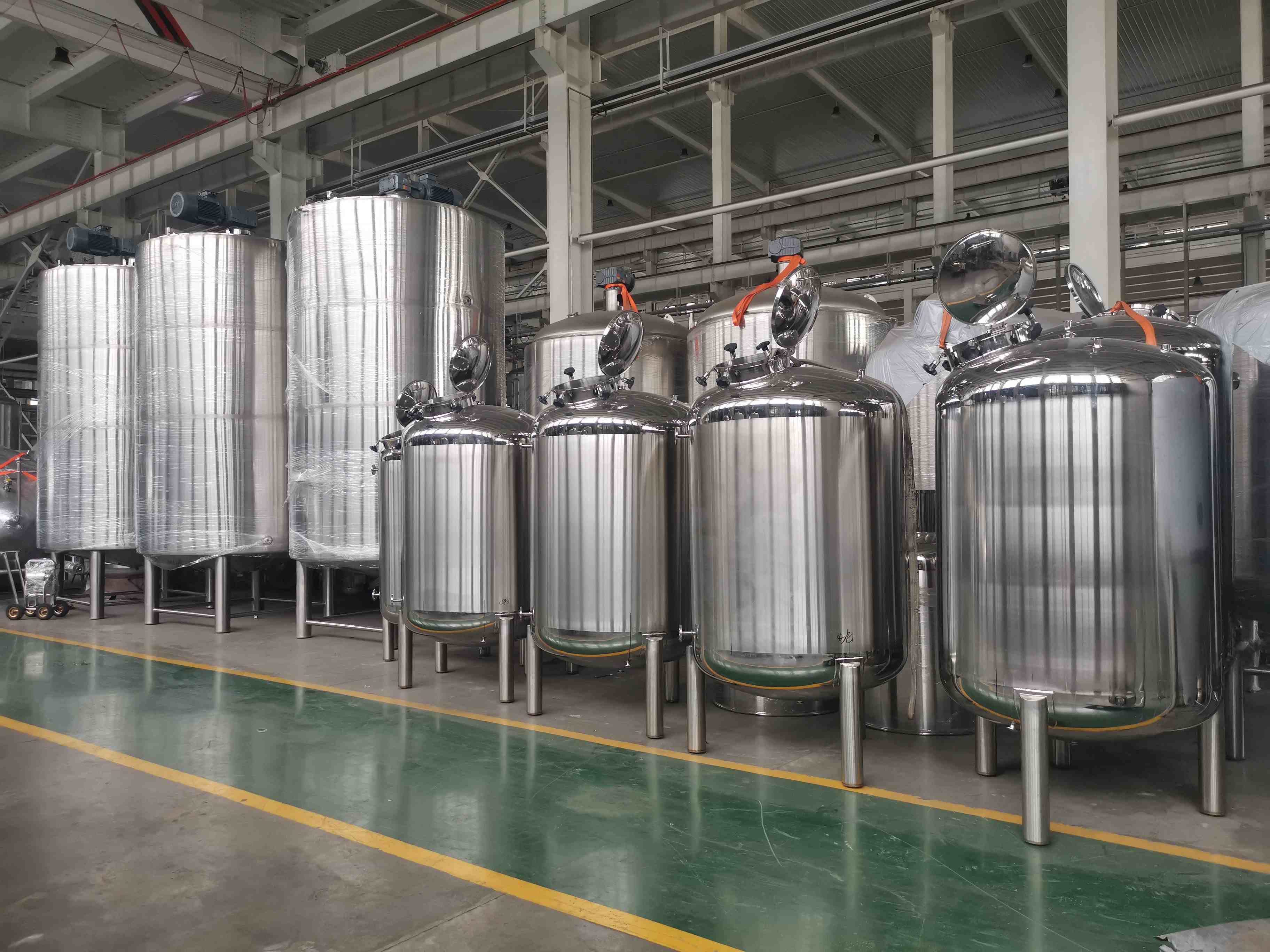
The lifespan and reliability of a storage tank depend far more on its material composition than most buyers realize. While upfront costs often dominate the decision-making process, the subtle interactions between tank materials and stored substances or environmental conditions can quietly dictate performance over decades. A poorly chosen material may not show signs of trouble immediately, but gradual degradation can lead to leaks, contamination, or catastrophic failure long after the warranty period expires.
Corrosion resistance isn’t a generic feature—it’s highly specific to the chemical and physical environment. For example, stainless steel grades differ widely in their ability to handle acids, chlorides, or temperature swings. Polymers and composite materials bring their own trade-offs between flexibility, UV tolerance, and structural stability. Without a thorough match between the material and the tank’s actual operating conditions, even high-quality manufacturing can’t prevent premature deterioration.
Actionable Safety Measures Beyond Certifications and Paperwork
Real safety doesn't live in binders or framed certificates on the wall. It lives in the daily habits that teams actually practice when no auditor is watching. One of the most effective measures is building a culture where speaking up about near misses is not just encouraged but expected. When a forklift operator can casually mention a close call during a pre-shift huddle without fear of blame, the whole facility becomes safer than any checklist could ever enforce. This requires leaders who model curiosity over criticism, asking "What almost happened?" instead of "Who screwed up?"
Another layer involves designing workspaces to force safe behaviors without relying on memory or compliance. Think about machine guards that can't be bypassed without shutting down the line, interlock switches that stop presses when a light curtain is breached, or tool tethers that keep grinders from falling when a wrist strap fails. These are physical barriers that make the safest choice the only choice. They remove the human tendency to take shortcuts under time pressure and work silently in the background, more reliable than any sign-off sheet.
Beyond engineering controls, actionable safety means embedding ownership into every role. Instead of a safety manager walking around with a clipboard, train frontline workers to audit their own areas before each shift. Give them simple, shared metrics they control—like days without a strain injury or 100% glove compliance in a specific zone—and let teams compete lightly to improve. When safety becomes a peer-driven value instead of a corporate mandate, people start looking out for each other in ways that paperwork simply can't capture.
When Customization Becomes a Necessity Not a Luxury
Off-the-shelf solutions once served a world where standardization was the norm. Today, however, businesses face fragmented audiences, evolving expectations, and competitive pressures that demand hyper-relevance. A product or service that doesn't adapt to specific user workflows, regional requirements, or even individual preferences often gets abandoned in favor of something more pliable. Customization has crossed the threshold from nice-to-have to must-have, reshaping how we build, market, and sustain nearly everything.
The shift is about more than just aesthetics or superficial tweaks. Deep customization touches core functionality, allowing users to create their own dashboards, automate unique sequences, or tailor outputs without ever touching code. When done right, it transforms passive consumers into active participants, fostering loyalty that generic alternatives simply cannot replicate. In this environment, companies that treat configurability as an afterthought risk bleeding relevance by the day.
Why After-Sales Service Can Make or Break Your Tank Investment
Investing in a storage tank is a major capital decision, yet many buyers overlook the long-term impact of what happens once the purchase is complete. After-sales service isn't just about fixing failures—it's the support network that keeps your tank operating efficiently, safely, and within compliance for decades. Without reliable access to technical expertise, spare parts, and routine maintenance, even the most robust tank can become a liability. Downtime in critical industries like chemical processing or water treatment can cost far more than the initial equipment price, eroding your return on investment and tarnishing operational reliability.
A supplier's commitment to after-sales care often reveals their true manufacturing quality. Tanks are subjected to harsh environments, material fatigue, and evolving regulations, meaning proactive servicing and responsive engineering support aren't luxuries—they're necessities. When a tank fails, the aftermath involves not just repair bills but potential environmental fines, safety incidents, and lost production. A dedicated after-sales team provides peace of mind, ensuring that corrosion anomalies, structural concerns, or component wear are caught early, often during scheduled inspections. This preventive approach transforms after-sales from an expense into a strategic safeguard for your investment.
Ultimately, the tanks that stand the test of time are backed by manufacturers who view the sale as the start of a partnership. Look beyond glossy brochures and ask hard questions about service response times, parts availability, and documented maintenance track records. The true value of a tank investment isn't realized at installation—it accrues through years of reliable service, supported by engineers who know every weld and gasket. In an industry where a single day of unplanned downtime can cost tens of thousands, the after-sales framework isn't an add-on; it's the foundation of long-term asset value.
Interpreting a Company's Project History for Real-World Insights
A company's project history is more than a timeline of completed work; it's a living archive that reveals patterns of problem-solving, adaptability, and strategic decision-making. By examining past projects, you can uncover how the organization navigated unexpected challenges, allocated resources under pressure, and ultimately delivered value to clients. These insights go beyond surface-level metrics, offering a nuanced understanding of the team's capabilities and reliability in real-world scenarios.
Digging into prior engagements also helps identify recurring strengths and potential blind spots. For instance, a firm that consistently completes projects ahead of schedule might possess exceptional internal coordination, while one with a record of managing scope creep effectively signals strong communication practices. Conversely, repeated delays in a particular phase might indicate deeper operational hurdles—information that is rarely captured in polished case studies but is invaluable for setting realistic expectations.
Ultimately, interpreting a track record requires looking at both successes and setbacks with equal scrutiny. Ask how the company evolved from each experience, and you'll gain a clearer picture of its current maturity. This approach transforms abstract credentials into tangible evidence, helping stakeholders make more informed decisions based on demonstrated behavior rather than promises.
FAQ
Look beyond the brochure. Verify their track record with real projects similar to yours. Check if they hold relevant certifications like API or ASME, and ask about the materials they use—mild steel, stainless, or alloys—because that directly affects lifespan and maintenance. Also, dig into their engineering support: can they handle complex design requirements on their own?
Very. A company that’s been crafting tanks for decades often has encountered niche challenges—corrosive chemicals, extreme climates, strict emission rules—and learned what works. That kind of tacit knowledge isn’t something you’ll find in a catalog. Ask for case studies from industries like oil & gas, water treatment, or agriculture to see if their experience aligns with your goals.
Don’t. A low upfront price can hide thinner steel, weaker welds, or omitted corrosion allowances that turn into expensive headaches later. Instead, weigh total lifecycle cost. A tank that needs constant patching or risks a leak isn’t a bargain. Get detailed quotes that break down material specs and manufacturing methods so you can make a fair comparison.
Everything. Tanks storing aggressive fluids need corrosion-resistant alloys or durable coatings, while those in fire-prone zones require heat-resistant steels. Even foundation conditions matter—saline soil near coasts can accelerate external corrosion. A good partner will propose materials based on what you’re storing and the local environment, not just a one-size-fits-all option.
Request their certification documents—API 650, 620, or 12F for petroleum tanks, for example—and confirm they’re current. Audit their quality control process: do they have in-house testing like radiography or hydrostatic tests? Ask for records of past inspections by third parties. A transparent company won’t hesitate to share these.
Only if standard designs don’t fit your site or process. Custom tanks let you optimize for space constraints, specific pressure ratings, or mixing/heating needs. But unnecessary customization can drive up cost and lead time. The key is to work with a partner who honestly tells you when a standard model works and when a bespoke design pays off.
At minimum, a clear warranty on materials and workmanship, plus responsive technical advice if issues arise. Better suppliers offer installation supervision, maintenance training for your crew, and fast access to spare parts. Some even provide periodic inspection services to catch early signs of wear. Before you buy, ask for an after-sales service agreement so you’re not left stranded.
Conclusion
Choosing a storage tank partner goes far beyond glossy brochures and competitive pricing. The real test of reliability lies beneath the surface—in a company's engineering philosophy and material integrity. Many firms lean on generic certifications, but the true indicator of quality is how they handle the nuances that failure analysis reveals. For instance, a partner who proactively discusses corrosion allowances, welding procedures, and material traceability shows a depth of understanding that paper-based credentials simply cannot convey. This hidden diligence is what separates a supplier from a long-term ally. Equally important is the recognition that customization is not merely an upcharge—it's often the only path to operational safety and efficiency. Standard designs rarely account for site-specific seismic loads, extreme thermal cycling, or aggressive chemical mixes. A partner who pushes for a tailored solution demonstrates they are invested in your unique risks, not just their order book.
The true value of a storage tank provider becomes evident in their after-sales commitment. Far too many projects sour when technical support vanishes after commissioning. Look beyond the warranty document: will they have field engineers ready for emergency response? Can they supply repair procedures and spare parts a decade down the line? This service backbone protects your investment far more than a cheap upfront quote. Moreover, a company's project history, when scrutinized honestly, offers unvarnished insights. Don't just ask for a reference list; probe into how they resolved past failures or navigated late-stage design changes. A transparent partner will share these stories, turning potential red flags into proof of resilience. Ultimately, the right storage tank company is the one that weaves materials expertise, a safety-first culture, adaptive design, and unwavering support into a fabric that lasts as long as the tank itself.
Contact Us
Contact Person: Ada Xu
Email: [email protected]
Tel/WhatsApp: 0577-86806088
Website: https://www.dayuwz.com/