
TECO Electromotor Vendor: How to Select a Reliable Supplier
2026-10-13
Many buyers assume that any TECO electromotor vendor with a glossy website is reliable, but real-world sourcing tells a different story. A supplier's true value shows up in lead times, technical support, and after-sales responsiveness—not just in a catalog. In this guide, we break down what separates a dependable partner from a costly gamble, and we also look at how Soochee measures up against the criteria that matter most.
Trace the Authorization Chain Before Opening a Quote
Before you spend hours tailoring a proposal, find out who actually signs off on the numbers. A contact who can discuss features and deadlines may have zero authority over pricing, discount tiers, or contract terms. Ask directly how approvals flow on their side, and watch for vague answers like 'I'll run it by the team'—that usually means you're not talking to the decision owner.
Map the chain from first conversation to final signature. If you're dealing with procurement, identify the business owner behind the request and the finance lead who reviews spend. In many mid-sized companies, a quote over a certain threshold needs a CFO or VP sign-off, and skipping that layer just delays the deal. Getting names and titles early lets you prepare the right justification and avoid back-and-forth revisions.
The real cost of ignoring this step is silent drift. A promising quote can sit in someone's inbox for weeks because it landed one level below the person who can approve it. Worse, you might agree to terms your own management won't honor later. Tracing the authorization chain isn't bureaucracy—it's cutting the path to a clean close.
Ask for Test-Bench Data That Matches Your Actual Duty Cycle
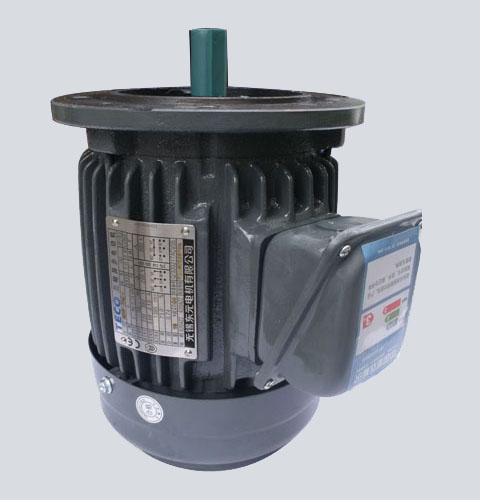
Standard datasheets rarely tell the whole story, especially if your system runs in short, intense bursts or spends most of its life at partial load. Ask for test-bench data captured under a load profile that mirrors your real duty cycle—not a generic steady-state run. If your application cycles between idle and full power every few minutes, request the same pattern, including ramp rates, dwell times, and thermal recovery periods.
The difference shows up quickly in components like power semiconductors, connectors, or battery packs. A part that looks robust in a continuous test can degrade faster when repeatedly stressed with fast transients and uneven cooling. Push the vendor to share cycle-by-cycle measurements: voltage sag during peak demand, temperature rise at the hottest spot, and any signs of parameter drift after hundreds of cycles. Those details matter more than a single headline efficiency number.
When you align test conditions with your actual operating profile, you also get a clearer picture of lifetime expectations. A motor drive that runs mostly at 30% load will age differently than one hammered with a 150% overload every ten minutes. Insist on data that reproduces those extremes, and you’ll avoid the expensive surprise of qualifying a part in the lab only to watch it struggle in the field.
Walk the Warehouse: Stock Depth Tells the Real Story
A polished storefront can hide a lot, but the back aisle never lies. When you walk the warehouse and scan the shelves, you see which products are actually moving and which are just taking up space. Pallets stacked high with the same SKU might look impressive, but if the dates are old or the boxes are dusty, that stock is really just frozen cash. On the flip side, a product that's always down to its last few cartons often signals strong demand or a supply chain that can't keep up. Reading these signals in person gives you a ground-level view that spreadsheets and dashboards simply can't match.
Stock depth also reveals the health of your relationships with suppliers and your own planning instincts. A warehouse packed with one item but empty of its companion parts tells a story of poor forecasting or a buyer who overreacted to a single hot month. When you trace the flow from receiving dock to pick face, you notice how long things sit, which items get restocked before they run out, and where bottlenecks form. These patterns often point to deeper issues like slow inventory turns, missed reorder points, or even hidden damage. Paying attention to how much is actually there—not just what the system says—lets you catch problems before they become write-offs.
Of course, walking the floor isn't just about counting boxes. It's about comparing the physical stock to the paper trail and asking why there's a gap. Maybe the system shows 50 units, but you only see 20. Maybe the overflow rack is full of items that were supposed to be gone last quarter. Each discrepancy is a clue. By building a habit of regular warehouse walks and noting what you see, you turn stock depth into a diagnostic tool. Over time, you'll get a feel for what healthy inventory looks like for your operation—and you'll trust that instinct more than any report.
Interview a Customer Who Had a Motor Fail, Not Just a Happy One
Most companies love showcasing testimonials from customers who never had a problem. That's comfortable, but it doesn't tell you much about how the motor holds up when things go wrong. If you want the real story, seek out a customer whose motor actually failed. Ask them what happened, how quickly they got support, and whether the replacement lasted longer. Those answers reveal far more than any glowing review.
A customer with a failed motor can walk you through the exact failure mode, the diagnostic process, and the downtime it caused. You'll learn whether your team shipped the right replacement parts, how clear the troubleshooting guides were, and if the warranty process felt like a help or a hurdle. Happy customers rarely push your product to its limits; frustrated ones have already mapped the weak spots.
Don't just ask for the polite version. Dig into the messy details — was the failure sudden or gradual, did they try to fix it themselves first, and what would have made the experience less painful? That kind of interview gives you a repair-focused perspective that directly improves product design and support scripts. Skip the success stories once in a while and listen to the breakdown.
Compare Full-Load Efficiency Curves Over Five Years of Operation
Plotting the full-load efficiency curves across five consecutive years uncovers shifts that a single snapshot would miss. Early measurements often show a tight cluster, but by year three, subtle deviations begin to emerge—some units drift downward while others hold steady or even improve slightly after maintenance cycles. Comparing these trajectories side by side helps identify which operating patterns or component replacements correlate with sustained performance.
When the curves are overlaid, the spread between the best and worst performers widens noticeably in years four and five. This divergence rarely traces back to a single cause; it typically reflects accumulated wear, variations in cooling effectiveness, and how consistently the load profile matches the design point. A unit that runs near full load for most of its hours may show a gentler decline than one that cycles frequently, even if both start from identical ratings.
Focusing only on the beginning and end points misses the story told by the intermediate years. Some units recover efficiency after targeted interventions, creating a sawtooth pattern rather than a smooth slide. Reading the curves as a set—rather than isolated annual values—makes it easier to distinguish reversible degradation from permanent loss, and to set realistic thresholds for when overhaul or replacement becomes economically justified.
Check How Fast They Respond When a Drive Trips at 2 a.m.
Most vendors will impress you with their dashboard during a Tuesday afternoon sales call. But the question that actually matters is what happens when a drive fails in the middle of the night, long after the office has emptied. That's when your data is suddenly at risk and their support queue is likely thin.
To find out, don't wait for a real emergency. Set up a controlled test: trigger a drive failure alert at around two in the morning, then watch the clock. How long until you get an SMS or email? Does a human technician actually call you back, or do you just get an automated ticket that nobody touches until 9 a.m.? Note the exact time stamps and the tone of the communication — panic in their voice is not a bad sign.
This isn't about being paranoid. It's about knowing whether your storage provider treats your uptime as a genuine emergency or as a problem for the next business day. A slow response at 2 a.m. often means their "24/7 support" is just a friendly voicemail. That knowledge is worth more than any SLA document written in legal jargon.
FAQ
Start by confirming the vendor's direct relationship with TECO or an authorized regional distributor. Ask to see a current authorization letter or certificate, then cross-check the company name on TECO's official partner list if available. Beyond paperwork, pay attention to how they handle your inquiry—suppliers that ask about your application, operating conditions, and required torque before quoting tend to be more dependable than those that push whatever is in stock.
Request a written authorization document that includes the supplier's full legal name, the product lines covered, and the validity period. Call or email TECO's local branch to verify the document rather than relying on a scanned copy alone. A genuine authorized vendor will not hesitate to provide this information, and many display their distributor status on their website with a verifiable partner badge or ID number.
Lead time differences usually reflect inventory depth, location, and whether the supplier stocks standard TECO models or orders each unit on demand. Vendors with regional warehouses and regular TECO shipments can often ship within days for common frame sizes, while those operating as middlemen may quote several weeks. Always ask if the motor is physically in their warehouse, in transit, or still needing to be produced.
Look for a supplier that can help you match motor specifications to your actual load profile, not just read a catalog. They should be able to discuss insulation class, enclosure type, mounting arrangements, and any modifications like special shafts or tropicalized coatings. After the sale, they should assist with installation questions, troubleshooting, and warranty claims directly—without sending you on a long chase through multiple phone numbers.
Not necessarily. Multi-brand distributors can still be reliable if TECO is one of their core lines and they maintain dedicated inventory and trained staff. The risk arises when TECO is treated as an afterthought—limited stock, no factory training, and slow access to spare parts. Ask the supplier how many TECO units they typically sell per month and whether they have a service technician familiar with TECO's product range.
Ask for the original TECO test report, the serial number matched to the factory database, and the packaging with intact TECO labels and barcodes. You can also request a certificate of origin if the motor is imported. Before delivery, confirm that the nameplate data—model, frame size, efficiency class, and manufacturing date—matches the order exactly. Genuine suppliers provide these documents without resistance.
Get itemized quotes that break out the motor price, freight, taxes, and any handling fees. If one quote is significantly below the rest, ask which components might be substituted or whether the unit is new old stock, refurbished, or grey market. Reliable TECO vendors usually price within a narrow band for identical specifications; a gap of more than 10-15% often signals missing accessories, shorter warranty, or a non-authorized source.
A solid supplier offers a clear warranty process, keeps common spare parts like bearings, fans, and terminal boxes in stock, and can arrange motor inspection or repair through TECO-authorized service centers. They should also keep records of your purchases and proactively notify you about firmware updates for VFD-compatible motors or changes in efficiency regulations that might affect future orders.
Conclusion
Before you open a quote, confirm the vendor actually holds TECO distribution rights and verify the authorization with the regional office—any legitimate partner will make this step painless. Then demand test-bench data that mirrors your real duty cycle: starting torque, cyclic overloads, and voltage imbalance tolerance. A stack of glossy catalogs is not a substitute for measured performance. On the warehouse floor, pay less attention to total shelf count and more to whether the depth matches the frame sizes and enclosures you routinely order. If the bins for your exact configuration are empty or filled with outdated stock, the supplier is moving boxes, not supporting your uptime.
References matter, but choose them wisely. Ask to speak with someone who had a motor fail on their watch and leaned on the vendor for failure analysis and a fast replacement. Satisfied customers tell you about price; recovering ones reveal how problems get handled. Request full-load efficiency curves tracked over five years of operation under realistic ambient conditions, not just the factory acceptance sheet. If the vendor cannot show how efficiency holds over time, you are guessing. Finally, test the emergency line yourself—call at 2 a.m. with a drive trip scenario. If a real engineer answers and starts troubleshooting, that vendor earns the contract. If you get voicemail, keep looking.
Contact Us
Contact Person: Jenny Jaa
Email: [email protected]
Tel/WhatsApp: 0086 152 9510 6006
Website: https://www.china-motor-supplier.com