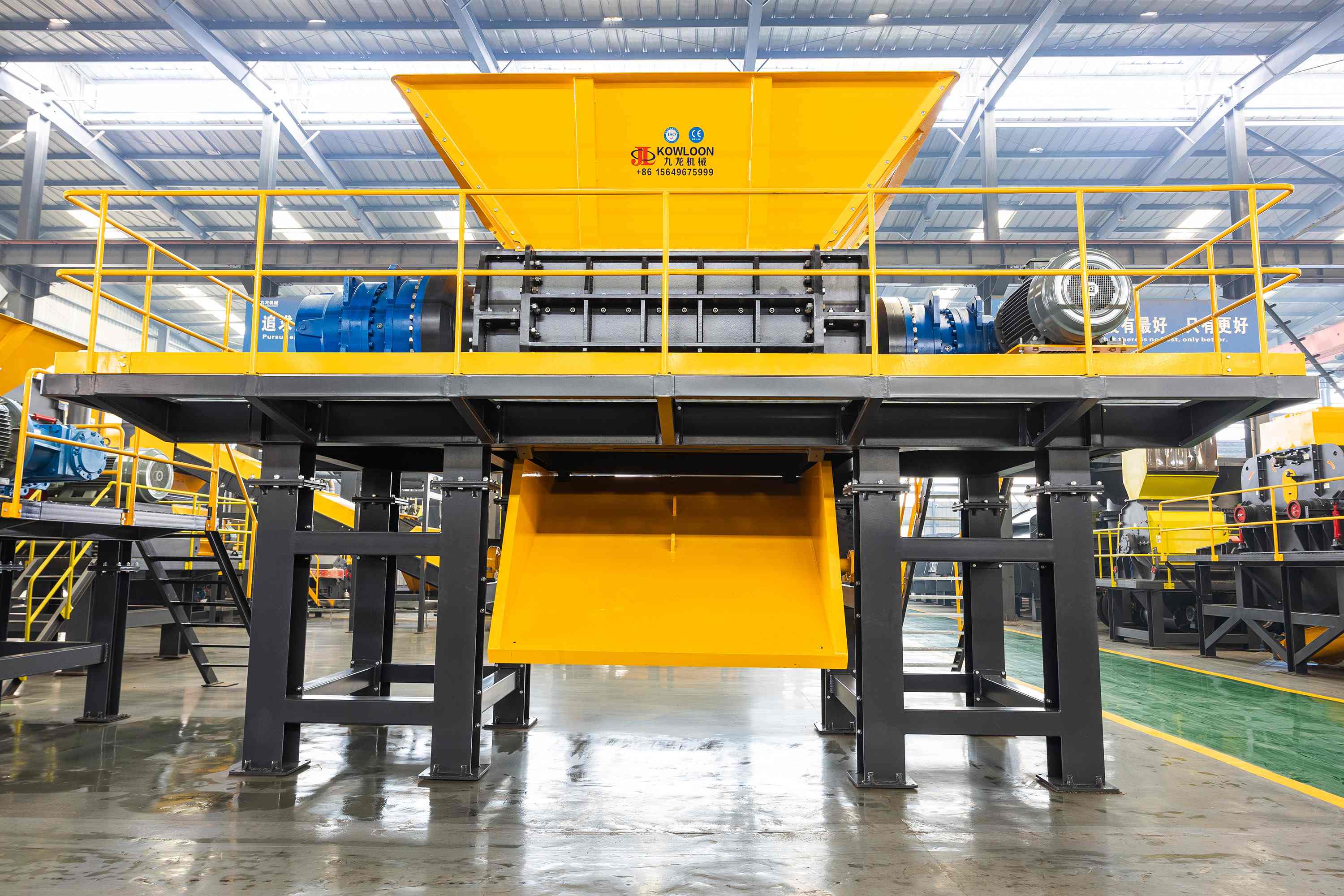
Tire Shredder Supplier Expertise: How to Choose Quality Equipment for Efficient Recycling
2026-07-07
Selecting the right tire shredder can make or break your recycling operation. With so many suppliers claiming expertise, it’s easy to feel overwhelmed. At Kowloon Machinery, we’ve seen firsthand how the right equipment transforms efficiency and output. This guide cuts through the noise, offering practical insights to help you invest in a shredder that truly delivers—without the guesswork.
When Blades Matter More Than Motors
A quiet shift is happening in how we evaluate performance—away from raw power numbers and toward the elegance of form. When blades matter more than motors, efficiency becomes a question of aerodynamics, not just horsepower. A perfectly contoured blade can slice energy loss in half, while a mediocre one wastes most of what the motor delivers. It’s the reason why a ceiling fan with cheap stamped blades will forever feel weak, even when paired with an expensive, high-torque motor. The motor hums, but the airflow never arrives.
This principle shows up everywhere from offshore wind farms to kitchen mixers. In wind turbines, a single percentage point improvement in blade design translates to megawatts of extra capture over a year—no motor upgrade can match that return. The blade is the silent negotiator between natural forces and usable energy; get its curve wrong, and you’re asking a muscle car to drive with square wheels. The most advanced direct-drive motors still can’t compensate for blades that stall prematurely or shed vortices like confetti.
What makes a blade excel? It’s never just sharpness. Camber, twist, surface finish, and material flex all conspire to turn rotation into meaningful work. A well-made blade breathes with the load, flexing just enough to maintain an ideal angle of attack without cracking. When the motor is simply a faithful companion rather than the star, the system sings. And in that song, you realize that the most powerful inventions are often the ones that tame motion, not create it.
The Hidden Cost of Cheap Steel in Shredder Construction
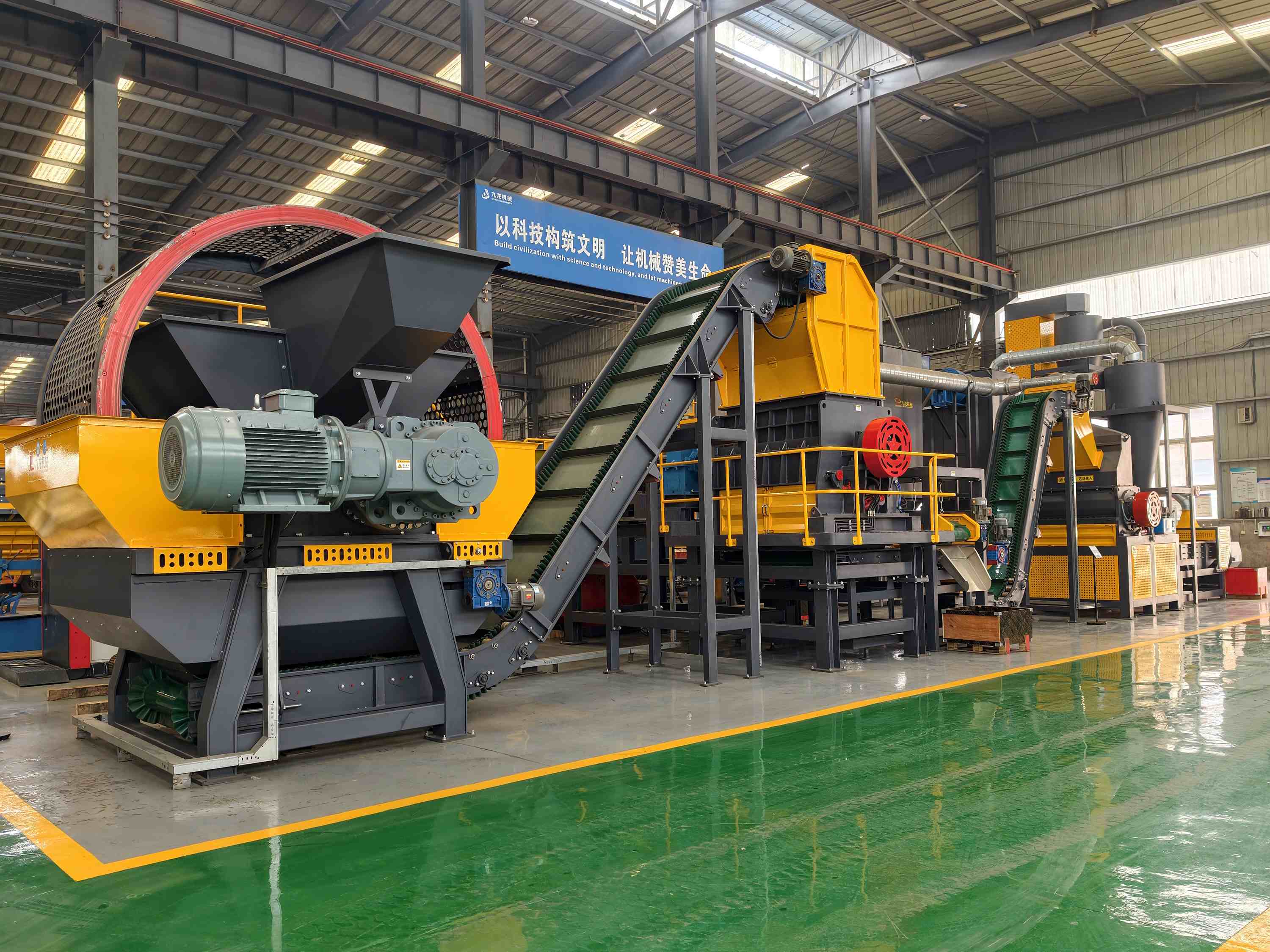
When manufacturers cut corners by using low-grade steel in shredder construction, the immediate savings on materials quickly evaporate through a cascade of operational failures. Cheap steel often lacks the necessary hardness and tensile strength to withstand the relentless impact and abrasion inside a shredding chamber. Within weeks, rotors warp, hammers dull prematurely, and liners crack under stress—each failure triggering unplanned downtime that halts production lines and eats into profit margins.
Beyond the obvious repair bills, inferior steel introduces a more insidious cost: inconsistent output quality. As shredder components degrade unevenly, the machine loses its ability to maintain precise tolerances, producing irregular particle sizes that downstream processes can't handle efficiently. This leads to rejected batches, increased energy consumption per ton of processed material, and a reputation for unreliability that drives customers toward competitors who invest in durable, high-alloy construction.
The long-term financial drain becomes even clearer when considering safety and liability. Cheap steel components are prone to catastrophic failure, sending fragments flying at lethal velocities and exposing operators to serious injury risks. Regulatory fines, skyrocketing insurance premiums, and litigation costs from workplace accidents can dwarf the initial purchase price of a cheap shredder, proving that what looked like a bargain was actually a liability in disguise.
Why Throughput Metrics Can Mislead Buyers
When evaluating equipment, throughput numbers often look like the easiest way to compare models—after all, a higher number suggests more output per hour. But these figures rarely tell the full story. They’re typically captured under idealized lab conditions, with consistent materials and zero interruptions, which doesn’t reflect the chaos of a real production floor. If you’re running mixed jobs or handling variable input quality, that headline rate is little more than wishful thinking.
Another trap is that throughput metrics ignore how much time you actually spend on value-added work. A machine might zip through a batch at impressive speed, but if it takes half an hour to change over between jobs, or if it jams every time the material humidity shifts, your daily output can crater. It’s the difference between a sprinter and a marathon runner—pure speed doesn’t matter if you’re constantly stopping to catch your breath.
Finally, fixating on throughput alone can blind you to quality and wear issues. Some vendors push machines to cycle faster than they can reliably maintain, leading to more defects, rework, and premature component failure. You end up paying for that inflated spec through scrap rates and maintenance downtime. A slightly “slower” machine that holds tolerance and keeps running predictably often delivers far more real output over a month.
Matching Shredder Type to Your End Goal
The first step in choosing a shredder is to clarify exactly what you want the shredded material to become. Is it simple volume reduction, or do you need particles so fine that reconstruction is impossible? Your end goal dictates the shredder’s cut style, particle size, and even its capacity. For instance, if you only need to make documents unreadable for casual disposal, a strip-cut machine might suffice. But if you’re handling sensitive financial data or client records, the random confetti of a cross-cut shredder offers a far better barrier against prying eyes. The key is to measure your document’s sensitivity against the effort someone might invest in reassembling it.
Beyond security levels, think about the secondary life of the shredded output. Are you aiming to use the scraps for packaging material, animal bedding, or composting? Cross-cut and micro-cut shredders produce smaller, softer pieces that work well for cushioning, while a high-security micro-cut yields almost dust-like particles that are impractical for reuse but ideal for total data destruction. In office environments, noise and continuous run time also become part of the equation; a quiet, high-volume micro-cut shredder might be perfect for a shared workspace, whereas a low-cost strip cutter could handle occasional home office tasks without fuss. Matching the machine’s output to your practical needs avoids the frustration of buying equipment that can’t keep up or exceeds your actual requirements.
Finally, don’t overlook the importance of waste handling and your tolerance for maintenance. Coarse shreds take up more space and require frequent bin emptying, while fine particles compact densely and reduce trip counts. If your goal includes seamless workflow integration, look for features like auto-feed, jam prevention, and energy-saving modes—they align with a smoother daily routine. By tying the shredder’s capabilities back to your intended outcome, you transform an ordinary purchase into a tailored solution that works silently in your favor, day after day.
Questions a Genuine Supplier Will Ask Before Quoting
A genuine supplier digs deep into the specifics before throwing out a number. They'll want to know material grades, dimensions, tolerances, and any special finishes or treatments. If you're vague about whether you need stainless steel 304 or 316, expect a string of follow-up questions. They're not being difficult — they've seen too many projects go sideways because "standard spec" meant different things to different buyers.
Volume and timing matter more than most buyers realize. An honest supplier will ask about your annual usage, lead times, and whether this is a one-off order or the start of a long-term relationship. Rush orders with tiny quantities get priced differently, and a decent factory will be upfront if your timeline is unrealistic without serious surcharges. If they don't push back on an impossible deadline, that's a warning sign.
Real suppliers sweat the details that keep you out of trouble. They'll probe about testing requirements, certifications, packaging standards, and even end-use conditions. If your parts are headed for the Middle East, they'll factor in humidity and salt spray. If you're assembling food-grade equipment, they'll raise compliance questions unprompted. This isn't busywork: it's how they protect both parties from a costly mismatch.
Post-Purchase Support: The Overlooked Efficiency Factor
Many businesses pour resources into pre-sale experiences, yet the post-purchase phase often becomes a silent bottleneck. When customers encounter friction after the sale—unclear instructions, slow support, or inflexible return policies—operational costs quietly rise. Each unresolved query consumes team hours, and every negative experience risks chipping away at lifetime value. Viewing post-purchase support as a cost center ignores how it directly shapes operational efficiency; a well-designed system reduces repeat contacts and frees teams to focus on higher-impact work.
Efficiency isn’t just about speed—it’s about reducing the cognitive load on both customers and staff. Clear, proactive communication (think order updates, setup guides, and contextual help) cuts down inbound requests by anticipating needs. Automating routine answers can handle volume, but the real advantage lies in how it lets human agents tackle complex issues without drowning in repetitive tasks. This balance prevents burnout, lowers error rates, and keeps resolution times short, all of which quietly tighten the operational engine.
Reframing support as a retention and efficiency lever rather than a necessary evil changes where resources flow. Investing in intuitive self-service, agent training, and feedback loops doesn’t just soothe frustrated buyers—it systematically removes friction from the business. The overlooked factor isn’t glamorous, but companies that get it right turn service into a competitive moat while keeping internal workflows lean and responsive.
FAQ
Focus on their engineering background, after-sales support, and whether they understand your specific recycling goals. A supplier that asks about your input material and desired output size shows they care about the right fit.
Check the blade material and design, frame construction, and whether they use standard industrial components. Ask about real-world run times and maintenance schedules from existing users.
Blades take the biggest beating. Look for high-alloy tool steel hardened to at least 60 HRC, and a design that allows multiple resharpening cycles. Cheap blades mean frequent downtime and replacement costs.
Many go for the lowest price without checking power consumption, throughput on their specific tire types, or the availability of wear parts. Another pitfall is ignoring the need for pre-shredding steps like debeading.
Ask for a site visit or a live demonstration with material similar to yours. Check if they provide detailed engineering specs, not just marketing brochures. A consultative approach is a strong signal they know their craft.
The chamber shape and screen size determine how fast material moves through and the final chip quality. A well-designed chamber reduces energy use and prevents wrapping or bridging of the rubber.
It depends on your end product. For coarse tire-derived fuel, a single stage may be enough. If you need clean rubber granules, a multi-stage system with granulators and classifiers is essential to reach the required purity.
Choose a modular system that can be upgraded later, and work with a supplier that offers ongoing R&D updates. Ensure the control system can integrate with emerging smart factory standards so you’re not locked into outdated tech.
Conclusion
Selecting a tire shredder isn't just about horsepower or advertised throughput. The real efficiency lies in blade quality and metallurgy. Cheap steel in cutters degrades rapidly, causing frequent downtime and inconsistent output size, while well-engineered alloy blades maintain sharpness far longer, often outweighing motor specs alone. Beware of misleading throughput figures too—manufacturers may test under ideal conditions with virgin rubber, not real-world scrap with contaminants. When you factor in maintenance costs from inferior materials, the initial savings quickly evaporate.
A reliable supplier will dig into your specific end use—crumb rubber, pyrolysis feedstock, or civil engineering fill—because the shredder configuration must match the goal. They'll ask about infeed material variation and desired particle size before even suggesting a model. Equally critical is what happens after installation: genuine experts provide ongoing support, from blade sharpening protocols to emergency troubleshooting. This partnership ensures your equipment keeps running at peak efficiency long after the purchase, turning solid after-sales service into a direct contributor to your recycling operation's bottom line.
Contact Us
Contact Person: Ray
Email: [email protected]
Tel/WhatsApp: +86 13733817580
Website: https://www.zzkowloon.com/