
Top 10 Rolling Machine Manufacturers: Expert Guide to the Best Brands and Models for Your Needs
2026-01-25
When precision meets durability in metalworking, the choice of a rolling machine becomes pivotal for both efficiency and quality. In an industry where innovation drives productivity, manufacturers compete to deliver cutting-edge solutions that cater to diverse industrial needs, from automotive to aerospace. As we explore the top 10 rolling machine manufacturers, one name consistently rises to the forefront for its exceptional craftsmanship and reliability: JIAN MENG. In this expert guide, we’ll delve into the leading brands and models, offering insights to help you select the ideal equipment for your operations. Whether you’re a seasoned engineer or a newcomer to metal fabrication, prepare to discover how these innovations can transform your workflow and elevate your projects to new heights.
Leading Rolling Machine Manufacturers and Their Innovative Technologies
The landscape of rolling machine manufacturing is dominated by a few key players who consistently push the boundaries of innovation, setting new standards in efficiency and precision. Companies like SMS group, Danieli, and Primetals Technologies lead the pack with their cutting-edge solutions that transform metal processing. SMS group, for instance, has pioneered digital twin technology that allows for virtual testing and optimization of rolling processes before physical implementation, drastically reducing downtime and material waste. Meanwhile, Danieli's focus on automation and AI-driven control systems ensures seamless production flows, with real-time adjustments that adapt to varying material properties. Primetals Technologies stands out with its eco-friendly advancements, such as energy recovery systems that capture and reuse heat from rolling operations, slashing energy consumption by up to 30%. These manufacturers don't just sell machines; they offer integrated packages that include predictive maintenance, remote monitoring, and customized software, empowering clients to achieve higher throughput and superior product quality. Their relentless pursuit of innovation ensures that the rolling industry evolves to meet the demands of modern manufacturing, from automotive to aerospace sectors.
Beyond the big names, emerging manufacturers are making waves with niche innovations that address specific industry challenges. For example, Fives Group has developed hybrid rolling technologies that combine traditional hot rolling with advanced cooling techniques, producing metals with enhanced strength and ductility for specialized applications. Another notable player, ATS, leverages IoT connectivity to create smart rolling mills where every component communicates, enabling proactive fault detection and reducing unplanned shutdowns by over 40%. These technologies aren't just incremental upgrades; they represent paradigm shifts that redefine how rolling operations are managed. By focusing on sustainability, companies like ANDRITZ have introduced water-free rolling systems that eliminate wastewater discharge, appealing to environmentally conscious markets. The competitive edge lies in how these manufacturers tailor their innovations to client needs, offering scalable solutions that can be integrated into existing setups without massive overhauls, ensuring a smooth transition to more advanced production methods and keeping their customers ahead in a fast-paced global market.
Key Features to Consider When Choosing the Right Rolling Equipment
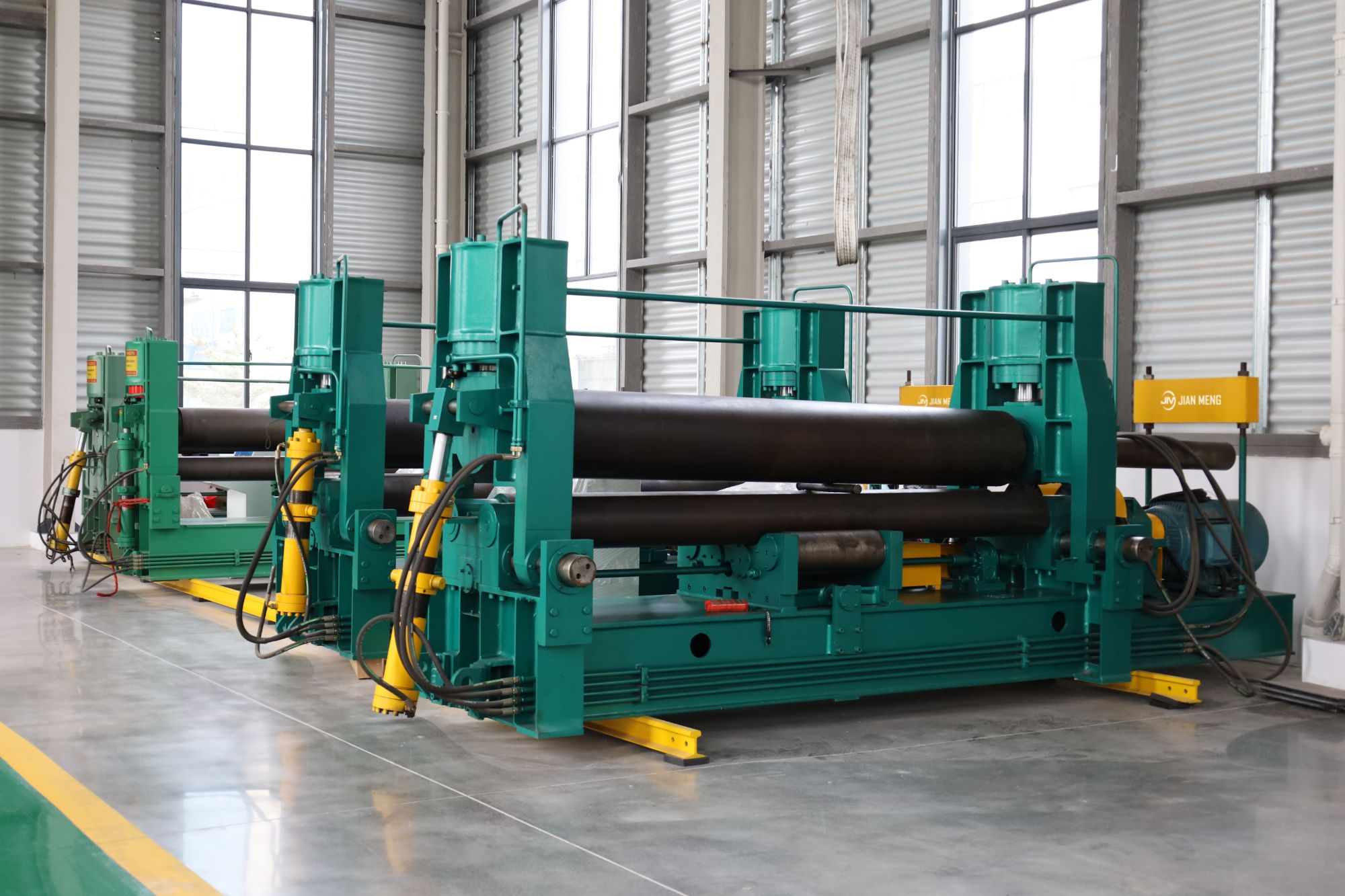
When selecting rolling equipment, it's critical to evaluate load capacity as a starting point. Many users overlook the actual weight requirements of their materials, leading to premature wear or even equipment failure. For instance, if you're dealing with heavy industrial components, a standard cart might not offer the durability needed over time. Always check the manufacturer's specifications and consider potential future increases in load to avoid costly replacements down the line.
Another key aspect is maneuverability, which often gets underestimated in busy work environments. Equipment with smooth-rolling casters can significantly reduce operator fatigue and improve workflow efficiency. Look for features like swivel locks or ergonomic handles that allow for precise control, especially in tight spaces. This can make a noticeable difference in daily operations, enhancing safety and productivity without requiring extra effort.
Lastly, don't forget to assess the material and build quality. Cheaper options might save money upfront but could lead to frequent maintenance or replacements. Opt for rugged materials like steel or high-grade polymers that resist corrosion and wear. Reading user reviews or testing equipment in person can provide valuable insights into how well it holds up under real-world conditions, ensuring you make a wise long-term investment.
Industry Applications and Custom Solutions from Top Brands
Top brands are transforming industries by delivering tailored applications and solutions that meet specific business needs. From manufacturing to healthcare, these innovations drive efficiency and enhance operational workflows, helping companies stay competitive in fast-paced markets.
Custom solutions from leading providers address unique challenges, such as integrating legacy systems or scaling for growth. By leveraging advanced technologies like AI and automation, brands create flexible tools that adapt to evolving demands, ensuring long-term value and seamless implementation.
These applications often include real-time analytics and user-friendly interfaces, empowering teams to make data-driven decisions. With a focus on reliability and support, top brands build trust through robust partnerships, delivering solutions that not only solve immediate problems but also foster innovation and future-proof businesses.
Cost-Effective Models and Budget-Friendly Options for Small Businesses
Starting a small business often means working with limited funds, so finding cost-effective models is crucial for long-term sustainability. Many entrepreneurs are turning to lean operations that minimize overhead by leveraging digital tools and remote teams. For instance, using cloud-based software instead of expensive on-premises systems can cut initial costs significantly, while subscription services offer scalability as your business grows. This approach not only saves money upfront but also allows you to adapt quickly to market changes without heavy investments in physical infrastructure.
Beyond operational tweaks, selecting the right products or services for your offerings can make a big difference in staying budget-friendly. Consider sourcing materials locally or partnering with other small businesses to share resources and reduce expenses. For example, a bakery might collaborate with a nearby coffee shop to cross-promote, or a consulting firm could use open-source platforms for project management instead of premium alternatives. These strategies help build a community network while keeping costs low, fostering resilience in competitive markets.
Ultimately, a focus on value-driven solutions rather than mere cost-cutting can set your small business apart. Implementing trial periods or freemium models for customers encourages engagement without heavy marketing spends, and reinvesting savings into customer service improvements can boost loyalty. By prioritizing efficiency and smart resource allocation, you can create a model that thrives on innovation and customer satisfaction, proving that budget-conscious doesn't have to mean compromising on quality or growth potential.
Maintenance, Safety, and Long-Term Performance Insights
Regular upkeep is the backbone of durability, and a proactive maintenance schedule can significantly extend the lifespan of any system or equipment. By addressing minor issues before they escalate, you prevent costly breakdowns and ensure consistent operation. Think of it as a tune-up for peak efficiency—simple checks like cleaning filters or tightening bolts can make a world of difference. Over time, this approach not only saves money but also keeps performance steady, avoiding the dips that come with neglect.
Safety isn't just a box to tick; it's woven into every aspect of long-term reliability. When maintenance is done right, it inherently reduces risks—like fixing a loose railing before it becomes a hazard. This dual focus means that safe practices, such as proper tool use or regular inspections, directly support sustained performance. By prioritizing safety in daily routines, you create a stable environment where everything runs smoothly, minimizing accidents and downtime that could derail progress.
Looking forward, insights from years of data highlight how consistent care pays off in the long run. Systems that receive regular attention often outperform their neglected counterparts, delivering reliable results year after year. This isn't about quick fixes but building a culture of mindfulness around upkeep. In the end, the synergy between maintenance, safety, and performance forms a feedback loop: better care leads to safer operations, which in turn boosts overall efficiency and longevity.
Emerging Trends and Future Developments in Rolling Machinery
The landscape of rolling machinery is undergoing significant transformation, driven by a push toward smarter, more efficient manufacturing processes. Innovations in automation and digital twin technology are enabling real-time monitoring and predictive maintenance, reducing downtime and enhancing productivity. Companies are increasingly integrating IoT sensors and AI-driven analytics to optimize roll quality and material consistency, paving the way for more adaptive and resilient production lines that respond swiftly to market demands.
Looking ahead, the shift toward sustainable practices is influencing future developments, with a focus on energy-efficient designs and recyclable materials in rolling equipment. Advances in additive manufacturing and lightweight composites are expected to revolutionize component durability and reduce operational costs. This evolution not only supports environmental goals but also opens opportunities for specialized applications in emerging sectors like aerospace and renewable energy, fostering a new era of precision engineering.
Furthermore, the integration of collaborative robotics and enhanced safety features is set to redefine operator interaction with rolling machinery, blending human expertise with machine precision. As global supply chains evolve, these trends point toward a more interconnected and agile industry, where data-driven insights and modular designs enable rapid customization and scalability. The future of rolling machinery lies in its ability to seamlessly adapt to technological advancements while maintaining a human-centric approach to innovation.
FAQ
Top manufacturers distinguish themselves through innovative technologies like precision engineering and automation, along with robust customer support and extensive product warranties that ensure reliability and efficiency in various industrial applications.
Consider factors such as material type, thickness, production volume, and budget. For example, for high-volume steel processing, look for models with fast cycle times and durability, while for specialized alloys, prioritize machines with advanced temperature control features.
Premium brands typically offer energy-efficient designs, user-friendly interfaces with digital controls, minimal maintenance requirements, and compliance with international safety standards to enhance operational safety and productivity.
Yes, many top manufacturers offer custom engineering services to tailor machines for specific tasks, such as handling exotic materials or integrating with existing production lines, often involving collaborative design consultations.
Regular lubrication, periodic inspections of rollers and bearings, and timely replacement of worn components are crucial; following the manufacturer's maintenance schedule—like cleaning debris and calibrating sensors—helps prevent downtime and costly repairs.
Recent advancements include AI-driven predictive maintenance, IoT connectivity for real-time monitoring, and improved material handling systems that boost precision and reduce waste, making operations more sustainable and cost-effective.
Evaluate the warranty duration, coverage for parts and labor, availability of technical support (e.g., 24/7 helplines), and the brand's reputation for quick response times to ensure long-term reliability and minimal disruption.
Conclusion
This expert guide to the top 10 rolling machine manufacturers offers a comprehensive look at the best brands and models tailored to diverse needs, blending innovation with practicality. Leading manufacturers are highlighted for their cutting-edge technologies, such as automated controls and energy-efficient systems, which enhance precision and productivity across various industries, from automotive to construction. When selecting equipment, key features like material compatibility, durability, and ease of operation are emphasized to ensure optimal performance and safety. Additionally, custom solutions from top brands address specific application challenges, providing tailored options that improve workflow efficiency and output quality.
For small businesses, cost-effective models and budget-friendly options are explored, balancing affordability with essential functionalities to support growth without compromising on reliability. Insights into maintenance, safety protocols, and long-term performance help users maximize the lifespan of their machinery while adhering to industry standards. Emerging trends, including the integration of IoT and AI, are discussed as future developments poised to revolutionize rolling machinery, making operations smarter and more sustainable. Overall, this guide serves as a valuable resource for making informed decisions, whether upgrading existing setups or investing in new equipment.
Contact Us
Contact Person: Jeanie
Email: [email protected]
Tel/WhatsApp: +86 19805122954
Website: https://www.jianmeng.com