
Top 10 Sewer Pipe Cleaning Equipment Dealers Worth Your Attention
2026-09-29
If your sewer line is on the fritz, you know the right equipment makes all the difference. But with so many suppliers vying for your attention, who actually delivers? We’ve sifted through the noise and spotlighted 10 dealers worth your time—including AMJET, a name that keeps popping up for all the right reasons. Read on for the full rundown.
The Names That Keep Popping Up on Hard Jobs
There are certain people whose names surface the moment a job turns ugly. Not the ones with the corner offices or the loudest voices at meetings. I'm talking about the fixers who quietly get pulled into the messiest projects—like Dana, who can untangle a decade of legacy code in a weekend, or Marcus, who once re-routed an entire production line during a snowstorm without missing a shipment.
These names travel by word of mouth, never through formal channels. You hear them in hallway whispers or over late-night calls: "Have you tried calling Elaine?" And there's a specific kind of relief in that mention, because it means the impossible task suddenly has a possible path. They don't advertise, and they rarely get credit, but when a hard job appears, their names keep coming up for a reason.
What Their Best-Selling Rigs Actually Do
The best-selling oil rigs from top manufacturers rarely sit idle. In the field, they’re typically running multi-well pad drilling for shale operators, where the rig moves on hydraulic walking systems and can skid from one wellhead to the next in under two hours. The draw works and top drive are tuned for fast tripping speeds, while automated pipe handling lets a five-person crew keep up with a 20-plus hour footage target on a 24-hour basis.
Those same rigs are also the default choice for extended-reach horizontal wells. Their high-torque top drives and 7,500-psi mud pumps let them push 10,000-foot laterals without swapping out major components. Operators lean on them for batch drilling, too: the rig drills surface holes on four or five wells, then moves back to drill intermediate and production sections in sequence. That cuts move time between locations to a fraction of what conventional rigs require.
When not drilling, these best-sellers handle completion work—running casing, milling plugs, and even assisting with coiled tubing operations. The rig’s control system logs every parameter in real time, which field engineers use to fine-tune weight on bit or rotary speed on the next well. In short, the top-selling rigs earn their place by doing the unglamorous but critical jobs faster and with fewer people, not by sitting pretty on a sales brochure.
Support After the Sale: Who Answers at 2 a.m.
The invoice is paid and the product is unboxed, but that's rarely the end of the story. A printer jams during an overnight rush job, a security camera goes dark just before a delivery arrives, or a software license refuses to activate on a Sunday evening. Most companies promise support, but the real test is whether a knowledgeable human picks up the phone when the clock reads 2 a.m. After-sale service shouldn't hide behind ticket portals or chatbots that pretend to help while looping in circles.
The best post-purchase teams staff their night lines with technicians who can actually solve problems, not just log them. They have access to order history, repair notes, and replacement parts without transferring you three times. Before you buy, ask one question: "If this breaks tonight, who answers?" The answer separates vendors who view support as a cost from those who treat it as part of the product.
Warranty and Financing Terms You Should Compare
A long factory warranty looks reassuring on paper, but the real test is what it actually covers once something goes wrong. Powertrain coverage often lasts longer than bumper-to-bumper protection, and exclusions for wear items like brakes, batteries, or infotainment screens can quietly shift repair costs back to you. Compare the fine print on transferability too—some warranties stay with the vehicle when you sell, which can boost resale value, while others expire the moment ownership changes.
Financing terms deserve the same side-by-side scrutiny. A lower monthly payment might hide a longer loan period and a higher total interest cost, so run the numbers on the full amount you'll pay over the life of the loan, not just the advertised APR. Dealers sometimes offer promotional rates that only apply to top-tier credit, or bundle financing with add-ons like extended warranties that inflate the principal.
The intersection of warranty length and loan term matters more than buyers expect. If your loan stretches to 72 or 84 months but the comprehensive warranty ends at 36, you could face major repair bills while still making payments. Matching the coverage window to your expected ownership period—or setting aside a repair fund for the gap—can prevent a financial squeeze later on.
Regional Dealers That Outshine the Big Chains
Walk into a big-box electronics store and you'll get a decent price, but ask a specific question about compatibility or repair and you're often met with a blank stare. Regional dealers flip that script. They live and breathe the products they sell, from car audio systems to home theater setups, and their staff usually has hands-on experience installing or troubleshooting the very gear on the shelves. That depth of knowledge means you leave with a solution, not just a receipt.
Another edge local dealers have is flexibility. Need a custom wiring harness for a vintage truck? Want a demo of two different subwoofers in your own car before committing? Big chains operate on rigid national policies, but a regional shop can make on-the-spot decisions, special-order oddball parts, and even cut you a break when you're buying a full system. They know their reputation rides on every install, so they tend to sweat the small stuff.
Then there's the service after the sale. When something rattles or a firmware update goes sideways, you won't be routed through a call center in another time zone. You can walk back into the same store, talk to the same person who sold it to you, and get it sorted out — often while you wait. That kind of accountability is rare, and it's exactly why many buyers would rather drive past three chain stores to support the local guy who actually answers the phone.
Changes Coming to Sewer Cleaning Equipment This Year
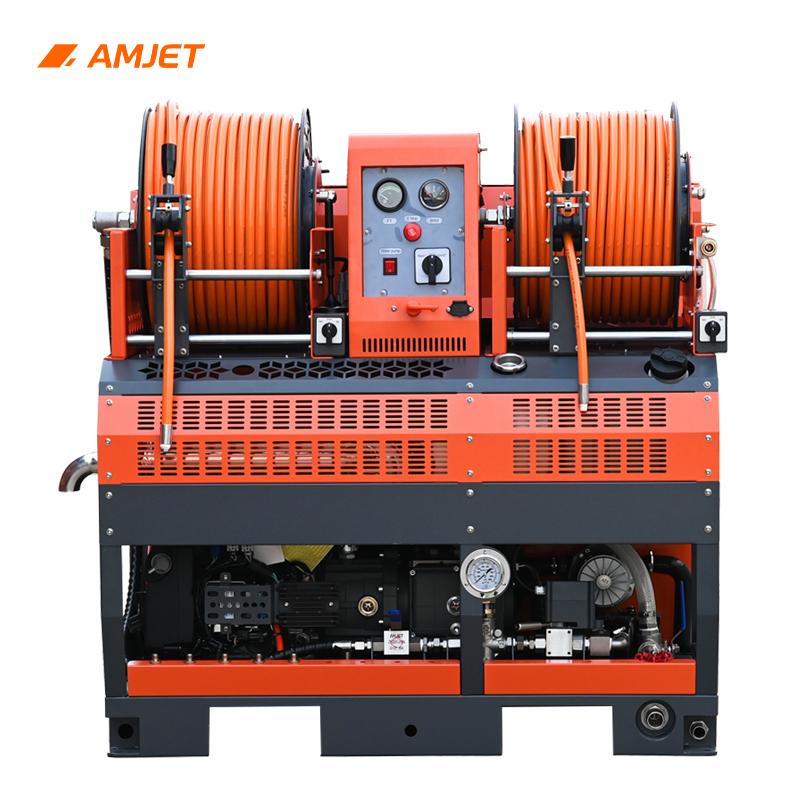
Contractors who haven’t checked the latest equipment specs in a while might be surprised by how quickly the old diesel workhorses are being pushed aside. Municipal fleets and private crews alike are starting to see lighter, battery-powered jetting units that can handle residential calls without the noise and exhaust complaints that used to come with the job. The shift isn’t just about going green for its own sake—these machines are quieter, which means earlier start times in noise-restricted neighborhoods, and they don’t need to idle while operators set up the hose reel.
Beyond power sources, nozzle and camera integration is where the real difference shows. Some newer models now pair real-time pipe imaging with adjustable water pressure on the fly, so a technician can dial back flow when a joint looks fragile and crank it up again once the blockage clears. There’s also a growing move toward modular reel assemblies that swap out in minutes instead of tying up a truck for half a day. None of this is science fiction; it’s showing up in 2025 model-year catalogs, and the crews that adapt first will likely save on both labor hours and callbacks.
FAQ
A dealer that earns a spot on a short list typically carries more than one brand, keeps demo machines available, and has staff who have actually run a jetter or auger. They also tend to stock wear parts locally instead of making you wait on a warehouse two states away.
Absolutely, because downtime on a sewer machine costs you real money. A shop with a dedicated bench technician can diagnose a pressure loss or a kinked cable quickly, and some even offer loaner units while yours is being fixed.
Most of them do. You'll see everything from lightweight sectional machines for condo lines to trailer-mounted jetters and push cameras rated for city mains. The better ones help you match the tool to the pipe diameter and access point rather than just selling the biggest unit.
Yes, and it's often the smart way to try a machine before committing. Many dealers let you apply a portion of your rental fees toward a purchase if you decide within a set period, which can lower the risk on expensive equipment.
Ask about parts availability for the next five years, whether they offer on-site training, and what the typical turnaround is for repairs. Also check if they have a dedicated support line for weekends, because emergencies rarely happen on a Tuesday morning.
Get itemized quotes from at least three shops and compare what's included—hoses, nozzles, freight, and setup can swing the total by hundreds of dollars. A slightly higher price might be worth it if the dealer includes a longer warranty or a free first service.
You'll notice more compact, battery-powered inspection systems and jetters with adjustable pressure controls for delicate pipes. Some dealers also offer camera packages with built-in reporting tools, which helps if you need to document a job for a customer or municipality.
Conclusion
In the world of sewer pipe cleaning, a handful of equipment dealers have built their names not through flashy advertising but by showing up when the job gets ugly. These are the companies contractors call when roots have invaded a 60-year-old main or a grease blockage has shut down a restaurant's line. Their best-selling rigs tend to share a common DNA: high-pressure water jets that can slice through compacted debris, paired with vacuum systems strong enough to recover the mess without clogging. But what really separates the top ten from the rest is how they handle the worst-case scenario. A 2 a.m. breakdown doesn't wait for business hours, and the dealers worth your attention have someone on call who can talk a crew through a pump issue or dispatch a replacement part before sunrise. That kind of support is often the reason a contractor stays loyal for a decade.
Warranty and financing terms are another quiet battleground. Some dealers offer extended coverage on key components like the blower or the jetting pump, while others sweeten the deal with seasonal financing that lets a small shop upgrade without gutting its cash flow. Interestingly, the most reliable options aren't always the national chains. In several regions, independent dealers have outshone the big names by stocking parts locally, knowing the soil conditions, and tailoring equipment to the specific pipe materials common in their area. Looking ahead, this year is bringing changes that could shift buying decisions: lighter composite reels, telematics that predict maintenance needs, and quieter engines designed for residential neighborhoods. The dealers who embrace these changes early—and still answer the phone at 2 a.m.—are the ones worth keeping on your shortlist.
Contact Us
Contact Person: Mike
Email: [email protected]
Tel/WhatsApp: +86 19545555505
Website: https://www.amjeting.com/