
Top Low-Voltage Distribution Box Solutions: Enhance Your Electrical Systems Safely and Efficiently
2026-01-20
Electrical safety and efficiency are at the heart of any reliable system, and when it comes to low-voltage distribution, they become non-negotiable. Whether you're upgrading an industrial setup or ensuring a residential project runs smoothly, the right solutions can make all the difference. In this blog post, we dive into the top low-voltage distribution box solutions designed to enhance your electrical systems safely and efficiently, helping you avoid common pitfalls and optimize performance.
At Lugao, we believe that innovation in electrical components should be accessible and impactful for every user. From time-tested designs to cutting-edge technology, discover how the right distribution box can not only protect your investments but also elevate your entire electrical infrastructure. Join us as we explore key considerations, recent advancements, and practical tips to empower your projects and keep your systems running seamlessly.
Understanding the Critical Role of Low-Voltage Distribution Boxes in Modern Electrical Systems
Low-voltage distribution boxes, often tucked away in basements or utility rooms, are the unsung heroes of modern electrical infrastructure. These compact units manage the final stage of power distribution, directing electricity from the main supply to individual circuits within homes, offices, and industrial facilities. By housing circuit breakers, fuses, and surge protectors, they ensure that electrical loads are balanced and protected against overloads or short circuits. Without these boxes, our reliance on everything from lighting and appliances to sensitive electronic devices would be fraught with risks of electrical failures or hazards.
In today's energy-conscious world, these distribution boxes play a pivotal role in optimizing efficiency and safety. They enable smart grid integration, allowing for real-time monitoring and control of energy usage through IoT-enabled devices. This not only reduces wastage but also enhances resilience during power fluctuations. For instance, in residential settings, they help prevent costly damages from electrical fires, while in commercial setups, they support uninterrupted operations by managing backup power systems seamlessly. Their design has evolved to include modular components, making maintenance and upgrades straightforward without disrupting the entire electrical network.
Beyond basic functionality, low-voltage distribution boxes are critical for future-proofing electrical systems. As renewable energy sources like solar panels become more common, these boxes facilitate smooth integration by handling variable power inputs and ensuring compatibility with existing grids. They also support the growing demand for electric vehicle charging stations, managing additional loads safely. By acting as a centralized hub, they simplify troubleshooting and compliance with safety standards, making them indispensable in both new constructions and retrofits. Ultimately, their role extends beyond mere distribution—they are key enablers of sustainable, reliable, and adaptable electrical ecosystems in our increasingly electrified society.
Key Features That Set High-Performance Distribution Boxes Apart
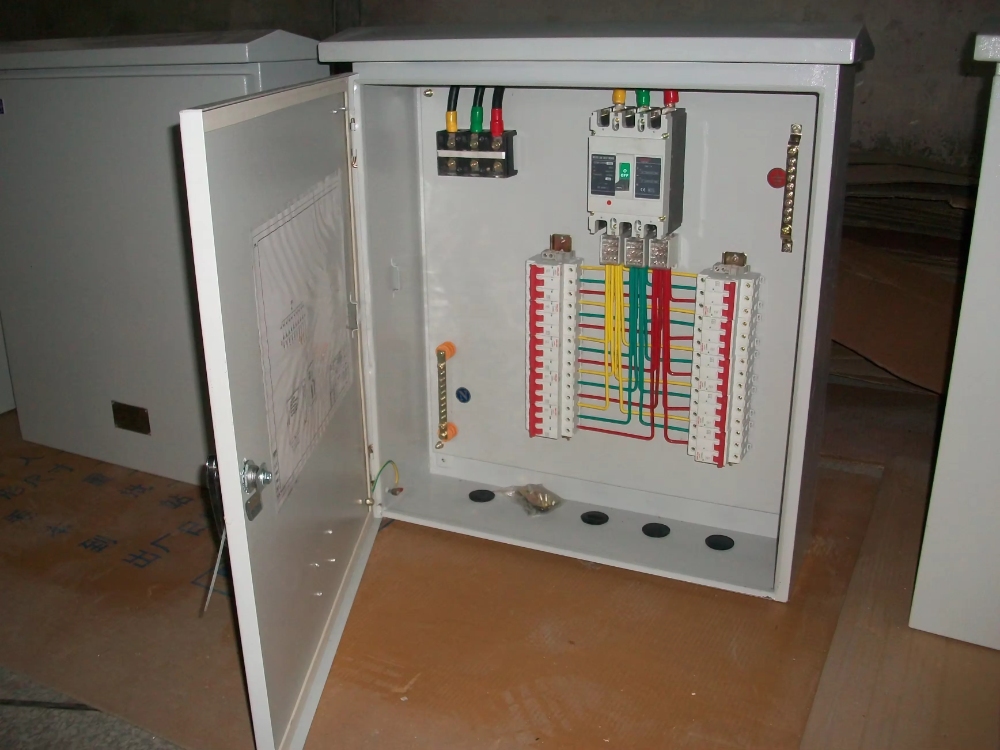
What truly distinguishes high-performance distribution boxes from standard models is their ability to handle demanding electrical loads while ensuring impeccable safety. These boxes incorporate advanced thermal management systems that dissipate heat efficiently, preventing overheating even under continuous heavy use. This isn't just about basic insulation; it's about engineered materials that maintain integrity in fluctuating conditions.
Beyond durability, these units feature modular connectivity options that adapt to various wiring configurations without compromising on secure connections. They often include built-in surge protection mechanisms that shield connected equipment from voltage spikes, a detail many generic boxes overlook. The design prioritizes not only functionality but also ease of access for maintenance, with intuitive layouts that reduce downtime during inspections or upgrades.
Additionally, high-performance distribution boxes excel in their resistance to environmental stressors like moisture, dust, and corrosion, making them suitable for both indoor and outdoor installations in harsh climates. This resilience is achieved through specialized coatings and sealed compartments that extend the product's lifespan far beyond conventional alternatives.
Enhancing Safety Measures with Advanced Distribution Box Designs
Advanced distribution box designs are transforming how we approach electrical safety in both residential and industrial settings. By incorporating features like improved insulation, robust enclosures resistant to environmental factors, and enhanced sealing against moisture, these modern boxes significantly reduce risks of electrical faults, shorts, and accidental contact. This proactive approach not only protects equipment but also prioritizes user safety in everyday applications.
Beyond basic protection, innovations in distribution boxes include smart monitoring systems that detect irregularities in real-time, such as overheating or power surges, and automatically trigger alerts or shutdowns. With modular designs that allow for easy customization and integration of safety devices like circuit breakers and surge protectors, these boxes offer a flexible and scalable solution tailored to specific needs, ensuring reliability under varying electrical loads.
The shift toward advanced designs also emphasizes durability and ease of maintenance, utilizing materials that withstand harsh conditions while simplifying inspections and repairs. By streamlining installation processes and reducing potential hazards, these distribution boxes contribute to safer, more efficient power management systems that support modern infrastructure demands without compromising on safety standards.
Streamlining Electrical Efficiency Through Innovative Box Technologies
For years, industries have quietly grappled with energy losses through inefficient electrical enclosures, often dismissed as inevitable. But imagine a scenario where these boxes not only protect circuits but actively contribute to energy conservation. Innovative box technologies are now revolutionizing this overlooked area, moving beyond mere containment to intelligent designs that minimize heat buildup, reduce power waste, and integrate seamlessly with smart systems. By employing advanced materials like thermally conductive polymers or embedded cooling elements, these enclosures help maintain optimal operating temperatures, which directly translates to lower energy consumption across manufacturing plants, data centers, and renewable energy setups.
What sets these advancements apart is their holistic approach to efficiency. For instance, some cutting-edge boxes incorporate real-time monitoring sensors that detect fluctuations in electrical flow, automatically adjusting ventilation or insulation to prevent energy leaks. Others use modular designs that allow for easy upgrades without overhauling entire systems, reducing downtime and energy demands during maintenance. This isn't just about incremental improvements; it's a paradigm shift where every box becomes a node in a larger energy-saving network, fostering sustainability without compromising on safety or performance.
In practice, the impact is tangible and immediate. Companies adopting these technologies report measurable reductions in electricity bills and carbon footprints, as enclosures work in concert with energy-efficient components. Picture a smart factory where each electrical box contributes to a leaner, greener operation, or a wind farm where boxes enhance the reliability of power generation. By rethinking something as fundamental as an electrical enclosure, we're not just streamlining efficiency—we're building a more resilient and sustainable electrical infrastructure for the future.
Selecting the Right Distribution Box for Your Specific Applications
When it comes to setting up your electrical systems, the distribution box is far more than just a simple container; it's the control hub that defines how power is allocated and managed across different devices. For industrial settings, you might prioritize durability and high-capacity circuit breakers, while in residential projects, safety features and compact designs could take precedence. Taking a moment to assess your project's unique demands—whether it's handling fluctuating loads or integrating smart technology—can prevent costly oversights and ensure seamless operation.
Beyond the basic specs, consider the environment where the box will be installed. Outdoor applications, for example, require waterproof and corrosion-resistant materials to withstand harsh weather, whereas indoor setups might focus more on aesthetic integration with surrounding spaces. With advancements in materials and modular designs, today's options allow for greater customization, letting you tailor everything from wire management to accessibility without compromising on performance or compliance with local codes.
Ultimately, the right choice hinges on balancing functionality with future-proofing. Opting for a box that supports easy upgrades or has extra capacity can save time and money down the line, as your needs evolve. By diving into specifics like voltage ratings, enclosure types, and user-friendly features, you can select a distribution box that not only meets current requirements but also adapts to emerging trends, ensuring your setup remains efficient and reliable for years to come.
Future Trends and Upgrades in Low-Voltage Electrical Distribution
As we look ahead, low-voltage electrical distribution is poised for transformative shifts, driven by a mix of technological innovation and evolving societal demands. One standout trend is the integration of smart technologies and the Internet of Things (IoT) into distribution systems, enabling real-time monitoring, predictive maintenance, and enhanced energy efficiency. This move towards intelligent networks is not just about adding sensors; it's about creating adaptive systems that can respond dynamically to usage patterns, reduce outages, and optimize power flow without human intervention.
Another key upgrade on the horizon involves advancements in materials and design, such as the adoption of solid-state circuit breakers and eco-friendly insulating materials. These innovations promise greater reliability, safety, and sustainability, addressing issues like arc flash hazards and environmental impact. For instance, new polymer-based components can withstand higher temperatures and reduce energy losses, making systems more resilient in harsh conditions while aligning with green building standards.
Furthermore, the rise of decentralized energy sources, like solar panels and battery storage, is reshaping low-voltage distribution frameworks. This trend encourages a shift from traditional, centralized grids to more flexible, microgrid-based setups that enhance local energy independence and grid stability. Coupled with digital twins and AI-driven analytics, these upgrades are set to redefine how we manage and distribute electricity, making systems not only smarter but also more robust and user-centric.
FAQ
Low-voltage distribution boxes are electrical enclosures designed to safely distribute power in residential, commercial, or industrial settings at voltages typically below 1000V. Their core functions include circuit protection, power distribution, and isolation, ensuring that electrical systems operate reliably while minimizing risks like overloads or short circuits.
Modern boxes incorporate advanced features such as arc fault circuit interrupters (AFCIs), ground fault circuit interrupters (GFCIs), and durable, fire-resistant materials. These components help detect and prevent electrical faults early, reducing fire hazards and shock risks, unlike older models that may rely on basic fuses with slower response times.
High-quality materials like stainless steel, galvanized steel, or polycarbonate plastics are preferred for their corrosion resistance, strength, and insulation properties. These materials ensure longevity in various environments, from humid areas to industrial sites, while maintaining efficient thermal management to prevent overheating.
Yes, many solutions offer customization options, including modular designs and smart integration capabilities. For instance, boxes can be equipped with IoT sensors for real-time monitoring in smart homes or with specialized circuit layouts to handle heavy machinery loads in factories, enhancing both flexibility and efficiency.
Key installation tips include proper sizing to match electrical loads, ensuring adequate ventilation to prevent overheating, using correct wiring techniques with secure connections, and regular testing after setup. It's also crucial to follow local electrical codes and consider future expansion needs during the initial planning phase.
Energy-efficient features, such as power monitoring modules and optimized circuit designs, help reduce electricity waste by minimizing idle consumption and balancing loads effectively. This can lead to lower utility bills and a smaller carbon footprint, making the system more sustainable over time.
Regular maintenance involves inspecting for signs of wear or corrosion, tightening loose connections, cleaning dust and debris to prevent overheating, and testing protective devices like breakers. Scheduling professional checks annually can catch issues early, ensuring long-term reliability and safety.
Conclusion
Low-voltage distribution boxes serve as the backbone of modern electrical infrastructure, ensuring safe and reliable power distribution across residential, commercial, and industrial settings. By integrating advanced safety features such as overcurrent protection, arc fault detection, and robust insulation, these solutions mitigate risks like short circuits and electrical fires, thereby safeguarding both equipment and personnel. Their design prioritizes not only protection but also operational efficiency, with innovations like modular components and smart monitoring systems that enable seamless integration and real-time diagnostics. As electrical demands evolve, understanding the critical role of these boxes helps in selecting models that balance durability with adaptability, making them essential for any system aiming to enhance performance while minimizing hazards.
When choosing a distribution box, key features like high ingress protection ratings, thermal management, and user-friendly interfaces distinguish top-tier options from standard models. Future trends point toward IoT-enabled boxes that offer remote control and predictive maintenance, further streamlining efficiency and reducing downtime. By focusing on application-specific needs—whether for harsh environments or compact spaces—users can implement solutions that optimize energy flow and support sustainable practices. Ultimately, investing in cutting-edge low-voltage distribution technology not only boosts system resilience but also paves the way for smarter, more efficient electrical networks that meet growing global energy challenges.
Contact Us
Contact Person: Doreen
Email: [email protected]
Tel/WhatsApp: 8618057712366
Website: https://www.liugaopower.com/