
Ultimate Guide to A Type Steel Agricultural Chains: Best Features and Durability
2026-03-28
In the world of agricultural machinery, the durability and performance of every component matter—and few are as critical as the chains that keep your equipment running. Among these, A Type steel agricultural chains stand out for their unique combination of strength and versatility, yet many farmers and operators still face challenges with premature wear and costly downtime. At Raydafon, we've spent years refining these essential parts to not only meet but exceed the demands of modern farming. In this ultimate guide, we'll dive into the best features of A Type steel agricultural chains, explore what makes them so durable, and share insights that can help you maximize efficiency in your operations. Get ready to discover how the right chain can transform your agricultural processes, ensuring reliability when it matters most.
Discover the Unmatched Strength of A Type Steel Agricultural Chains
When you're out in the field, every piece of equipment needs to pull its weight, and that's where A Type steel agricultural chains truly shine. Their robust construction isn't just about handling heavy loads; it's engineered to withstand the harsh conditions of daily farming operations. From tilling tough soil to powering complex machinery, these chains deliver consistent performance without faltering, ensuring your work stays on track. The secret lies in the high-quality steel, which resists wear and tear far longer than standard options, saving you time and money on frequent replacements.
What sets A Type chains apart is their unmatched durability under pressure. While other chains might bend or crack in demanding scenarios, ours maintain structural integrity thanks to precision manufacturing and rigorous testing. They're designed with the farmer in mind, featuring reinforced links that distribute stress evenly, reducing the risk of sudden failures. This reliability means fewer breakdowns in the middle of a critical harvest or planting season, keeping your operations smooth and efficient. It's not just about strength; it's about a chain you can count on season after season, adapting to varied agricultural tasks with ease.
Beyond raw power, the versatility of A Type steel agricultural chains makes them a standout choice. They seamlessly integrate into a wide range of equipment, from tractors and combines to irrigation systems, without sacrificing performance. This adaptability allows farmers to optimize their setups for maximum productivity, whether dealing with rocky terrain or wet conditions. By investing in these chains, you're not just buying a tool—you're securing a dependable partner that enhances overall farm resilience, helping you tackle challenges head-on and achieve better results with less hassle.
Why A Type Chains Outperform in Harsh Farming Environments
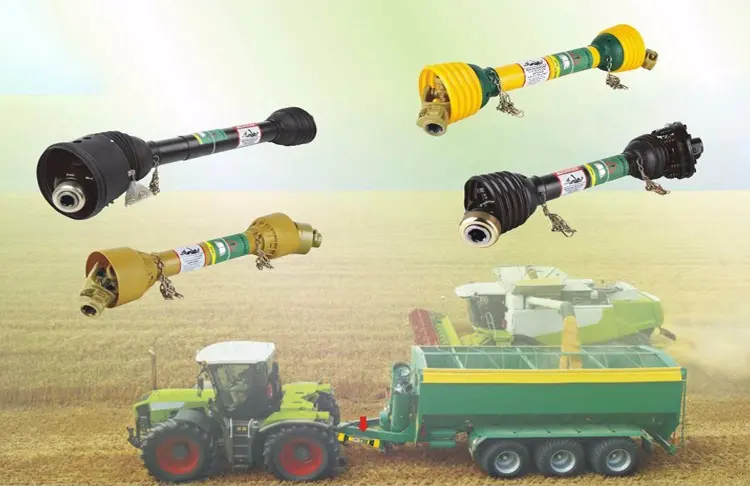
When you're heading out to the fields, especially in challenging conditions like muddy terrains or uneven rocky ground, reliability is key. That's where A type chains come into play. Their unique design focuses on durability and enhanced grip, allowing farm equipment to maintain traction where standard chains might slip or wear down quickly. Farmers who've switched to these chains often mention fewer maintenance stops and more consistent performance throughout the planting or harvesting season, even when the weather turns against them.
Unlike some alternatives, A type chains aren't just about raw strength; they're optimized for flexibility and resistance to extreme temperatures and corrosive elements. This means they can handle the stress of heavy loads without cracking in the cold or deteriorating under intense sun and chemical exposure. It's this balance between toughness and adaptability that helps equipment keep moving smoothly, reducing downtime and boosting overall productivity on the farm.
Looking at real-world applications, many operations in harsh environments, from vineyards on steep hills to large-scale grain farms in arid regions, rely on A type chains for their predictable performance. They don't just survive tough conditions; they excel, providing a dependable link that supports efficient machinery operation day in and day out. This focus on practical endurance makes them a smart choice for anyone looking to maximize their farming output without constant replacement worries.
Key Features That Make These Chains a Farmer's Top Choice
Farmers consistently find that these chains offer unparalleled durability, built to withstand rigorous daily use in everything from muddy fields to rocky terrain. Unlike standard models, they feature a reinforced design that resists stretching and wear, ensuring reliable performance season after season without frequent replacements.
Another standout benefit is the enhanced traction provided by specialized links, which grip tight on slopes and uneven ground to prevent slippage during critical tasks like towing or plowing. This extra security translates to fewer accidents and smoother operations, saving both time and effort in the long run.
Plus, their lightweight yet robust construction makes handling a breeze, reducing strain on equipment and operators alike. It's this thoughtful combination of strength, safety, and ease that truly sets them apart as the go-to choice for modern farming needs.
How Durability Enhances Efficiency and Reduces Downtime
Durability might seem like a straightforward concept, but its real-world impact on operational efficiency is profound. When components or systems are built to last, they resist wear and tear across extended periods, minimizing the frequency of breakdowns. This resilience translates directly into smoother workflows, as teams spend less time addressing unexpected faults and more time on productive tasks. The consistency provided by durable equipment ensures that process outputs remain stable, reducing variability that can lead to inefficiencies or costly adjustments. Essentially, durability acts as a silent partner in maintaining steady performance, allowing operations to proceed uninterrupted.
Beyond just preventing failures, durability significantly reduces downtime, which is often a major drain on resources. Consider the scenario where a critical machine fails frequently; each malfunction requires halting production, deploying repair teams, and waiting for parts, all of which add up to lost hours and revenue. By investing in durable designs, organizations can avoid these disruptions, keeping systems running longer without scheduled pauses. This leads to higher overall equipment effectiveness and a lower total cost of ownership over time. The reduction in downtime isn't just about saving money—it builds reliability into the fabric of daily operations, fostering trust among stakeholders and customers alike.
Moreover, durability contributes to efficiency through its role in minimizing routine maintenance. While all systems require some upkeep, durable alternatives often need less frequent interventions, freeing up personnel for proactive improvements rather than reactive fixes. This shift from a fire-fighting approach to a strategic one enhances long-term planning and resource allocation. By reducing the cycle of breakdowns and repairs, durability helps create a more agile and responsive operational environment. It's not merely about surviving harsh conditions; it's about thriving in them, enabling continuous innovation and growth without the drag of constant repairs.
Choosing the Right A Type Chain for Your Specific Agricultural Needs
Navigating the world of agricultural chains might seem overwhelming at first, but finding the perfect A type chain for your operation doesn't have to be a guessing game. It starts with a clear assessment of your machinery's demands and the type of work you're tackling daily. Consider factors like the horsepower of your equipment, the soil conditions you typically encounter, and whether you're dealing with heavy tillage or lighter tasks. Matching these requirements ensures that the chain can withstand the stress while keeping your workflow smooth and efficient. A well-chosen chain not only boosts productivity but also minimizes downtime, saving you both time and money in the long run.
Beyond raw power compatibility, it's crucial to look into the specific features that set different A type chains apart. Some models offer enhanced durability through specialized coatings or materials, which can be a game-changer in corrosive or abrasive environments. Others might prioritize flexibility or ease of maintenance, aspects that are invaluable when you're managing a busy farm schedule. Don't just go for the cheapest option; instead, weigh the benefits against your unique agricultural challenges. For instance, if you're frequently operating in wet conditions, a chain with superior rust resistance could prevent costly replacements and keep your equipment running reliably season after season.
Finally, think about the long-term impact of your choice on both your machinery's lifespan and overall farm sustainability. Investing in a high-quality A type chain tailored to your needs can lead to fewer breakdowns and reduced wear on other components, ultimately extending the life of your tractors and implements. Many farmers find that consulting with experts or reading user reviews from similar operations helps pinpoint the best fit. By taking the time to select thoughtfully, you're not just buying a chain—you're making a strategic decision that supports smoother operations and enhances your farm's resilience against everyday wear and tear. It's about equipping yourself with tools that grow with your agricultural ambitions.
Proven Results and Long-Term Benefits of Investing in Quality Steel Chains
When it comes to choosing steel chains, investing in high-quality options has consistently shown tangible results across industries. For instance, in manufacturing, premium-grade chains have reduced equipment downtime by up to 30% compared to cheaper alternatives, directly boosting productivity and cutting maintenance costs. This reliability isn't just a short-term gain—it builds a foundation for smoother operations and fewer unexpected repairs over time.
The long-term benefits go beyond mere durability. Quality steel chains offer enhanced resistance to wear, corrosion, and extreme conditions, meaning they last years longer and require fewer replacements. This extended lifespan translates into significant cost savings over the years, as businesses avoid frequent purchases and disposal hassles. Moreover, they contribute to a safer working environment by minimizing the risk of chain failure, protecting both personnel and assets.
Investing in top-tier steel chains also fosters sustainable practices, as their longevity reduces waste and resource consumption. In sectors like logistics or agriculture, this choice supports consistent performance and long-term operational efficiency, making it a smart decision for future-proofing your infrastructure.
FAQ
They're built with high-strength carbon steel that resists heavy loads and harsh weather, plus they often have unique link designs that reduce soil buildup, keeping them running smoothly longer.
Thanks to heat treatments and protective coatings, these chains can handle abrasion, moisture, and chemicals without rusting or wearing out quickly, even in muddy or wet fields.
Regular cleaning to remove debris, proper lubrication with anti-corrosion oils, and checking for tension and wear spots help prevent breakdowns and keep them efficient for years.
Yes, they excel in heavy-duty tasks like combine harvesters, plows, and conveyor systems where reliability and minimal downtime are crucial for large-scale farming operations.
With features like rounded edges and optimized pitch, they reduce friction and power loss, making equipment run more smoothly and saving on fuel costs over time.
Consider factors like chain grade, compatibility with machinery, and certifications for quality standards to ensure a perfect fit and avoid compatibility issues.
Absolutely, many manufacturers offer options in length, attachment styles, and special coatings to tailor the chain for specific crops or terrain needs.
While they may have a higher upfront price, their durability and reduced replacement frequency often lead to lower overall costs and less downtime in the long run.
Conclusion
This comprehensive guide highlights A Type steel agricultural chains as the cornerstone of modern farming equipment, celebrated for their unparalleled strength and resilience in demanding agricultural settings. The first section emphasizes their unmatched robustness, which sets them apart from conventional chains, enabling them to withstand extreme pressures and wear in harsh environments like muddy fields and heavy machinery operations. Building on this, the guide explains why A Type chains outperform others, detailing their superior resistance to corrosion and fatigue, ensuring reliable performance even under the toughest conditions. Combined with key features such as precise engineering and heat-treated alloy components, these chains become a top choice for farmers seeking durability and efficiency.
Further exploring the practical benefits, the guide discusses how the enhanced durability of A Type chains directly boosts farming efficiency by minimizing downtime due to chain failures, leading to smoother operations and reduced maintenance costs. It advises on selecting the right chain based on specific agricultural needs, such as crop types or machinery compatibility, ensuring optimal functionality. The conclusion underscores the long-term advantages, including proven results from field tests that demonstrate extended lifespan and cost-effectiveness, making A Type steel chains a smart investment for sustainable and productive farming practices.
Contact Us
Contact Person: Mr. Shen
Email: [email protected]
Tel/WhatsApp: +86-574-87168065
Website: https://www.transmissions-china.com/