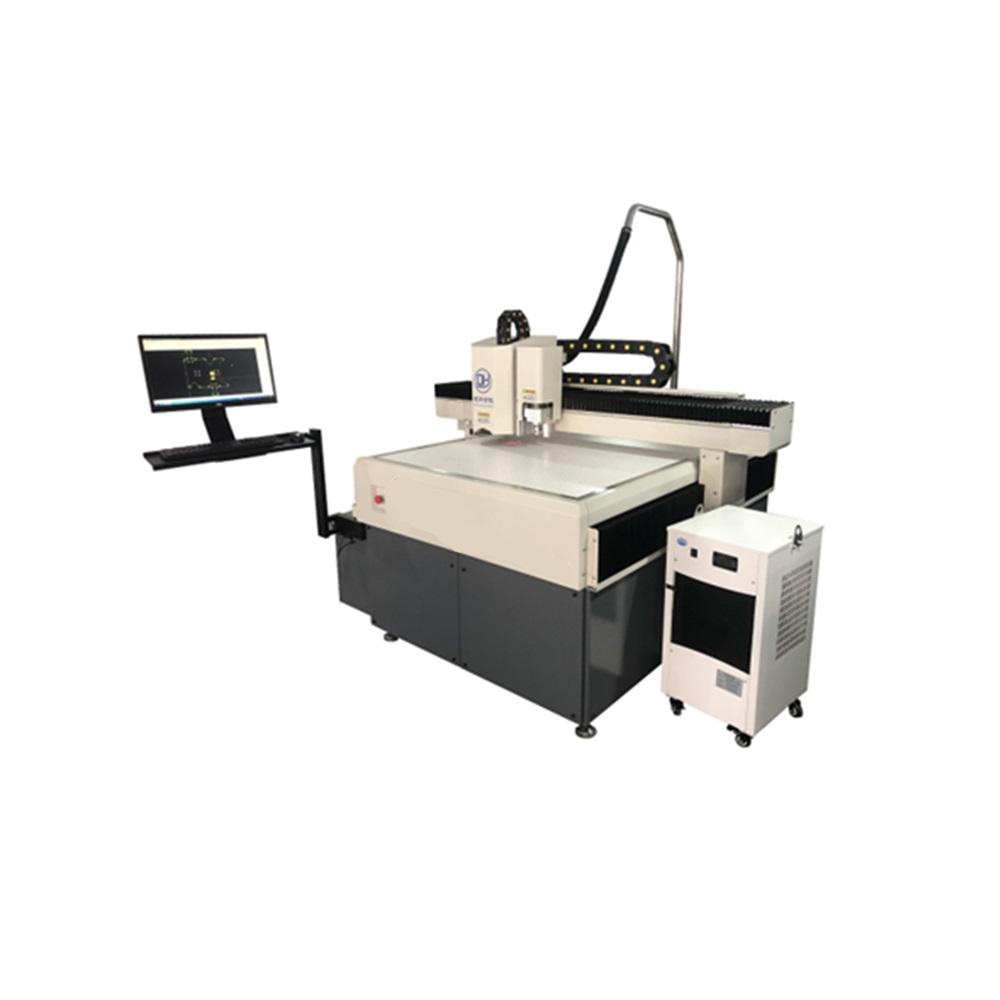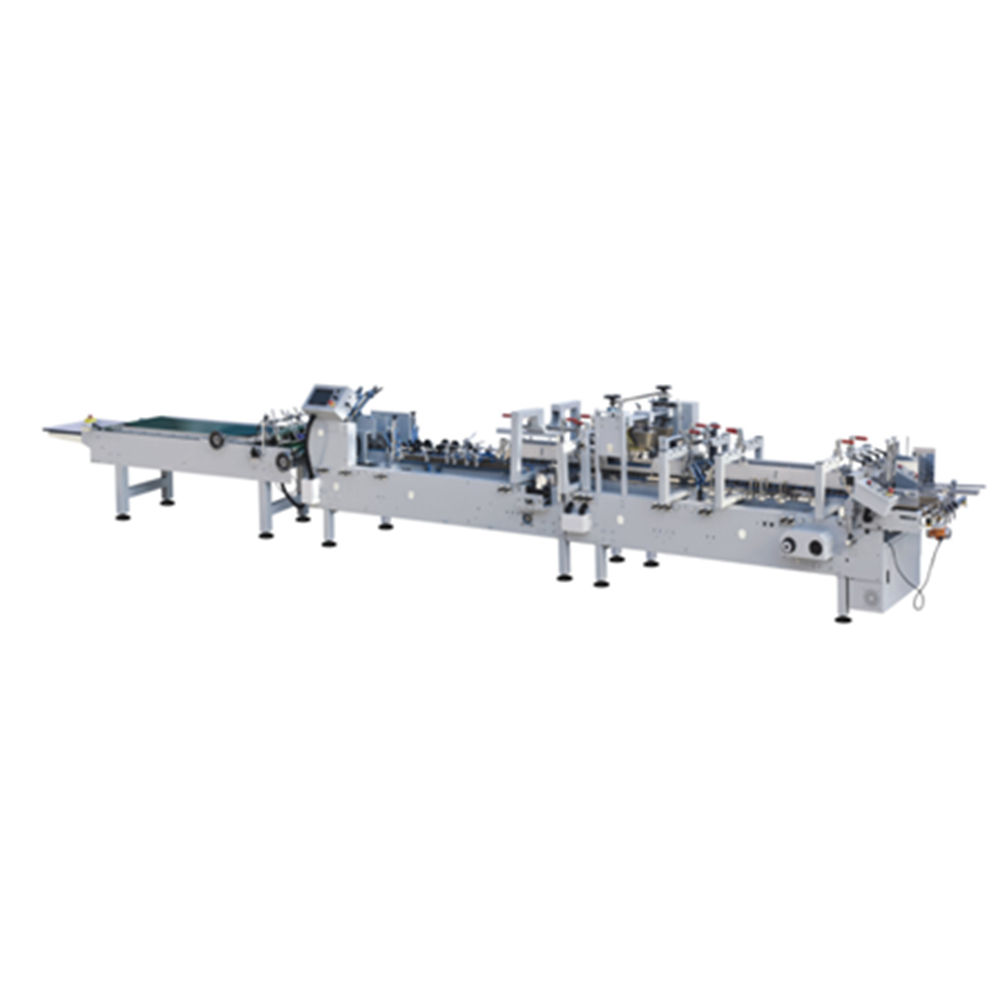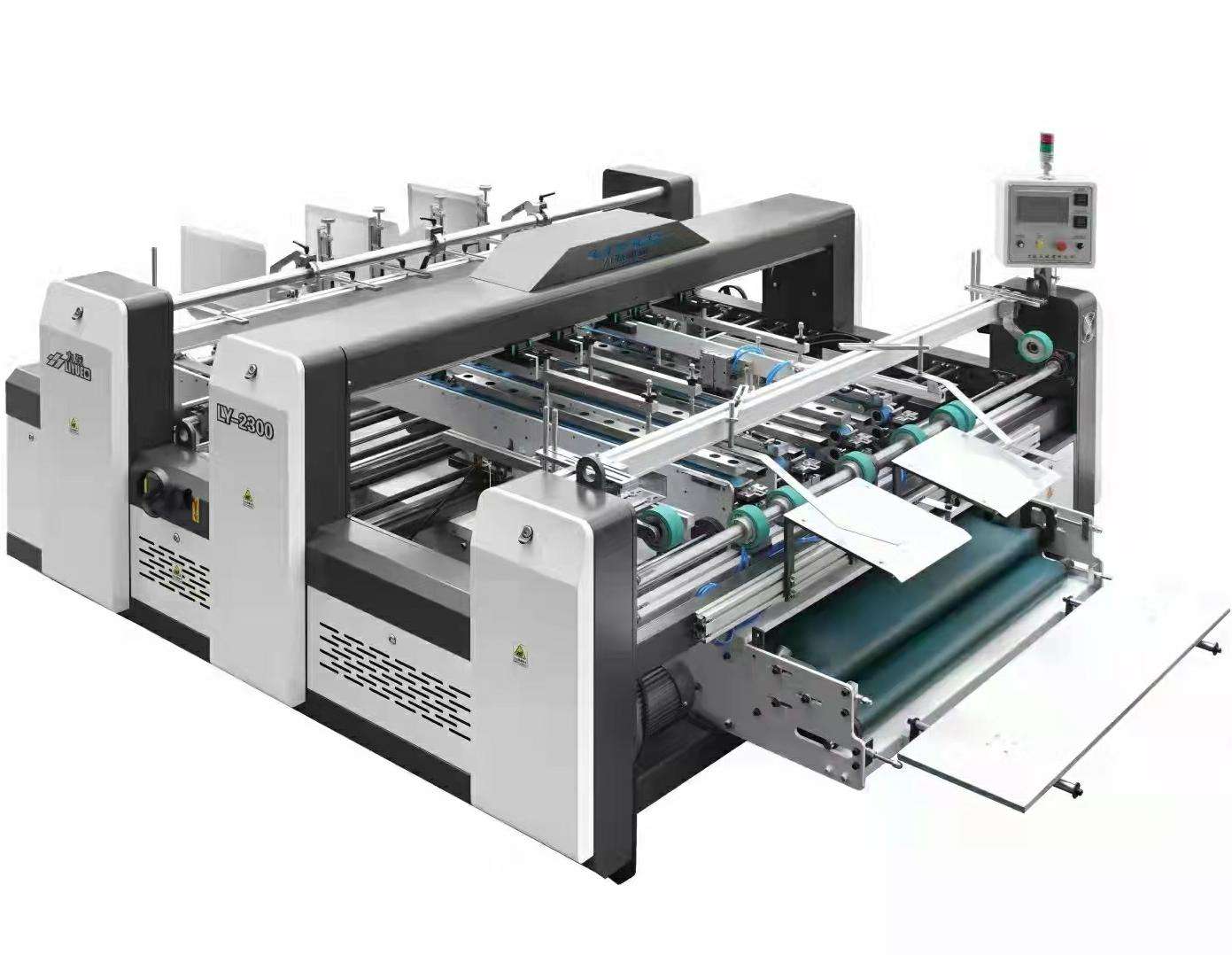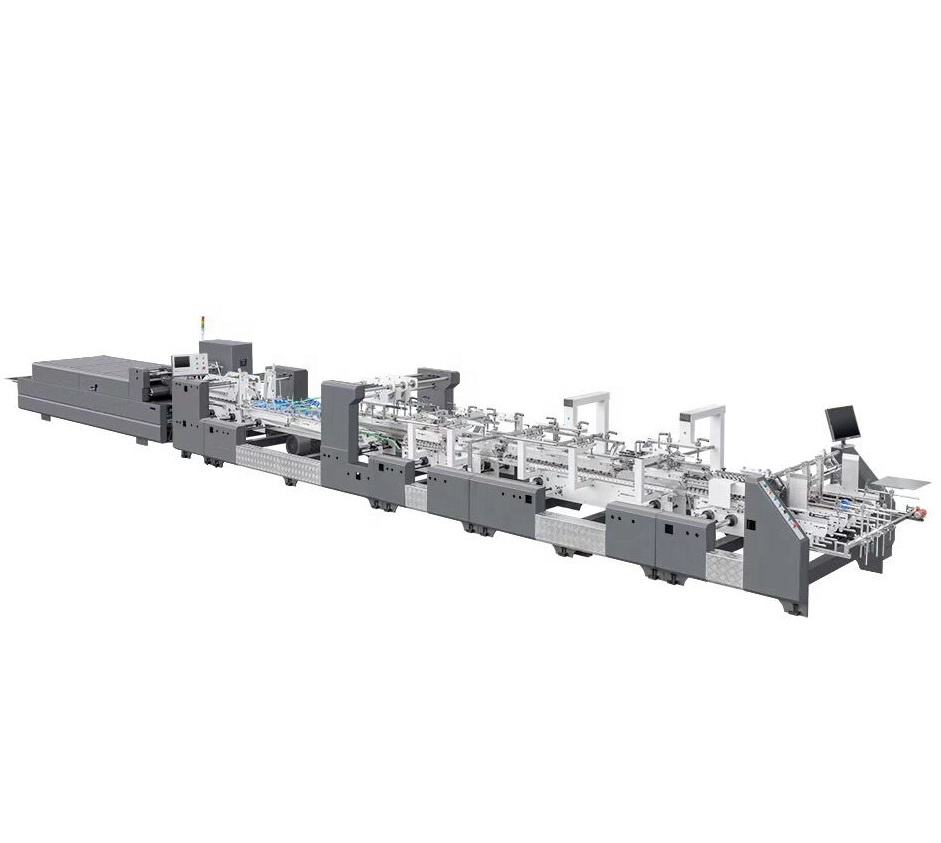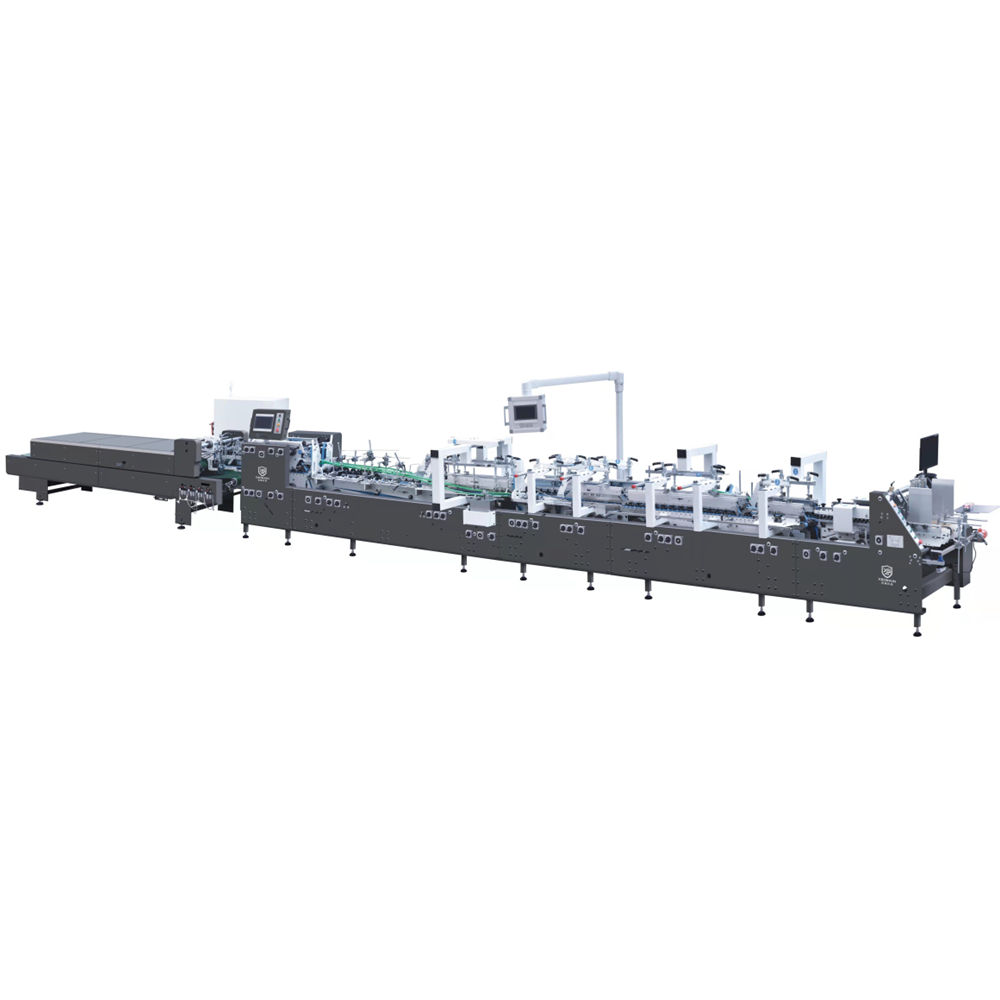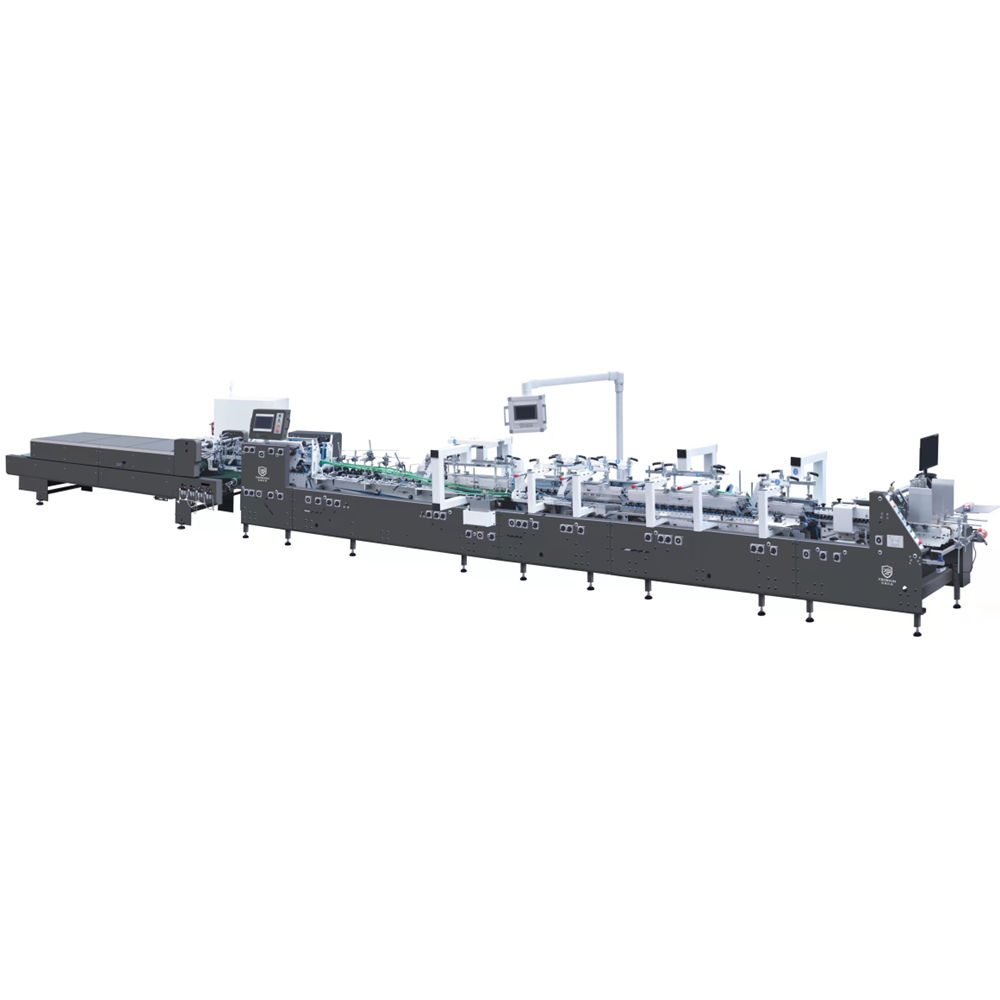
Advanced Packaging Equipment Solutions
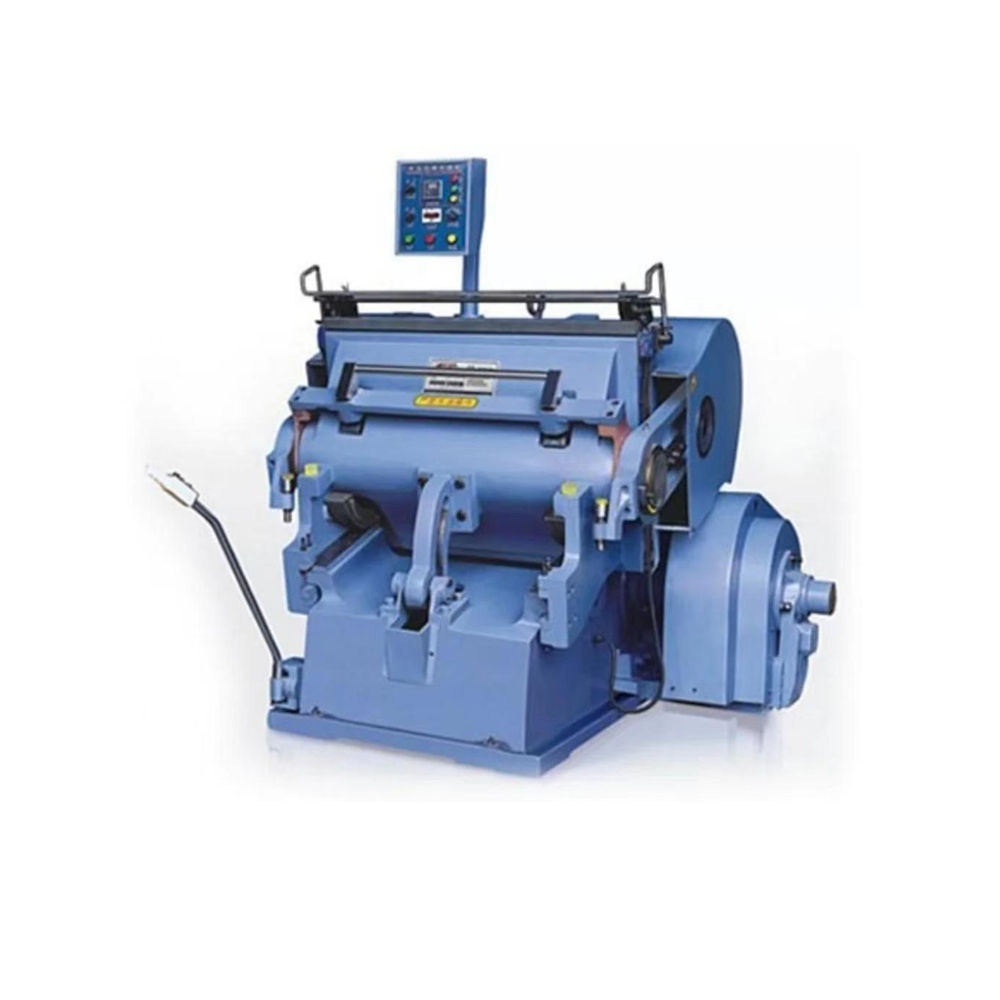
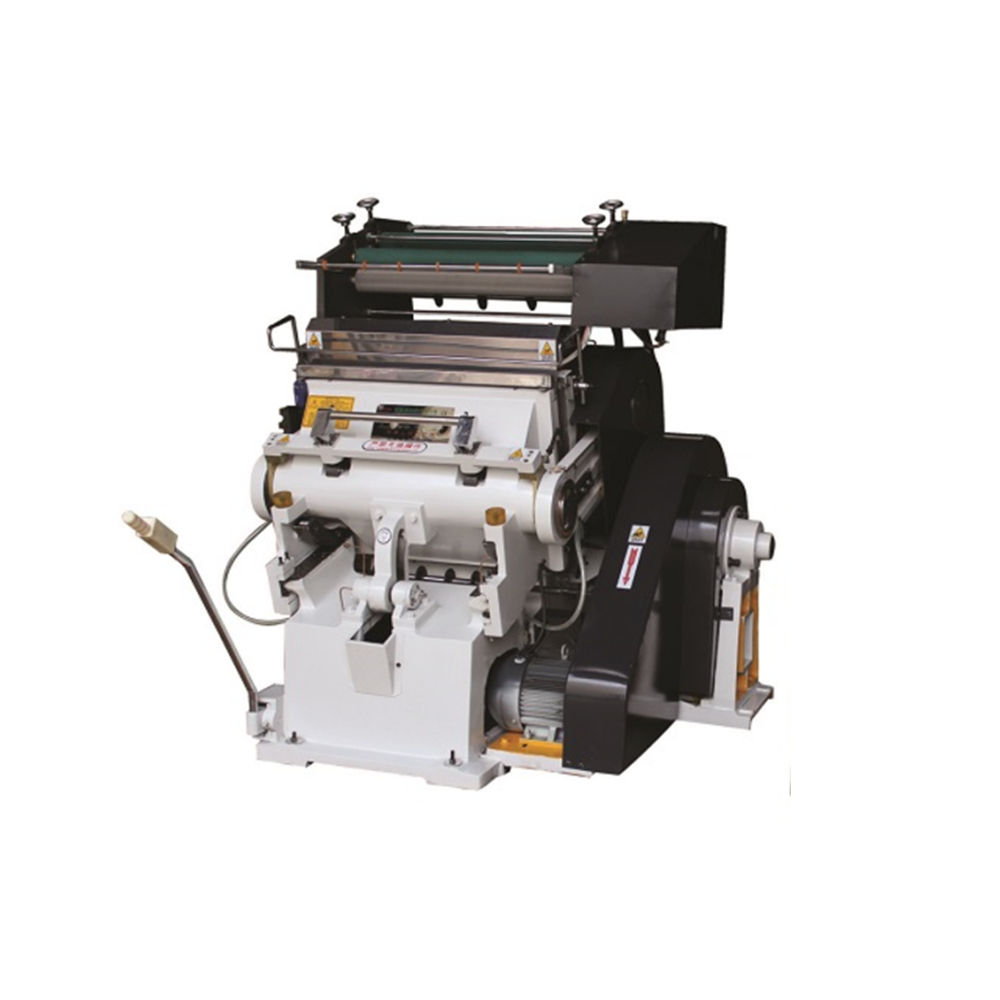
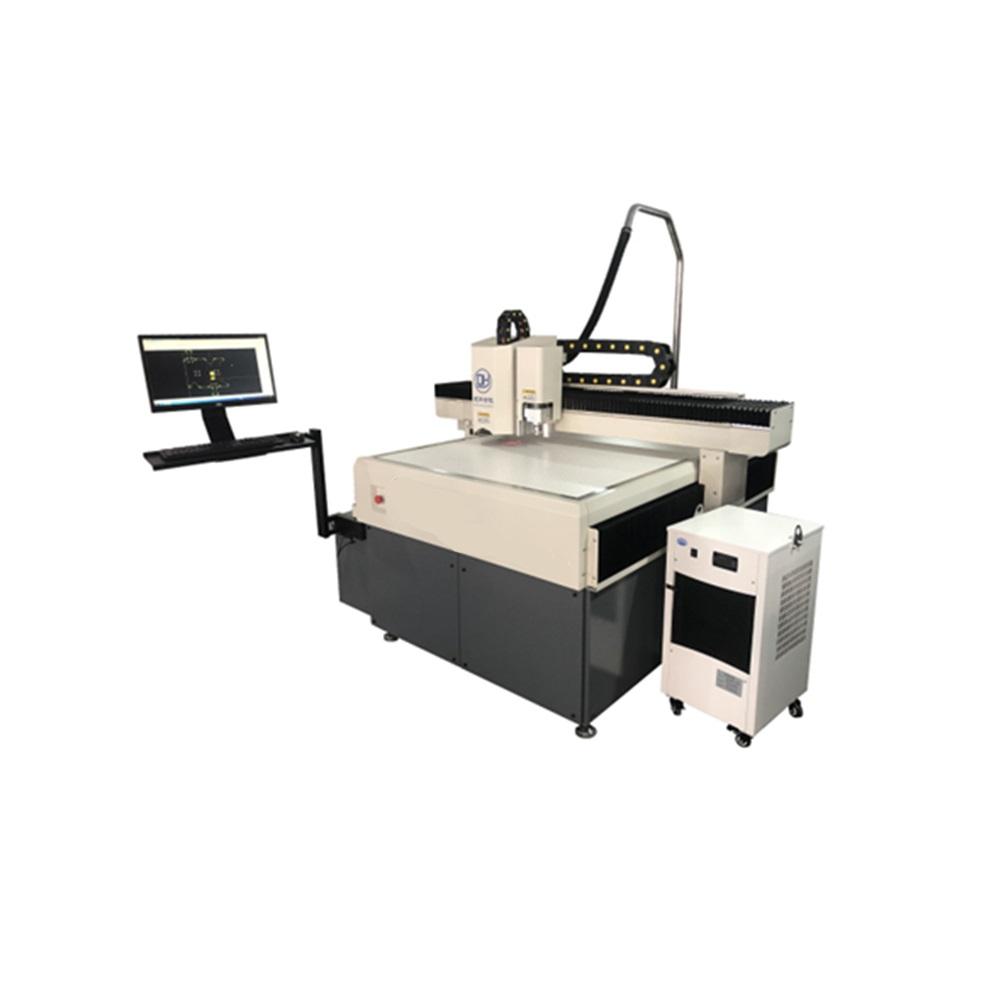
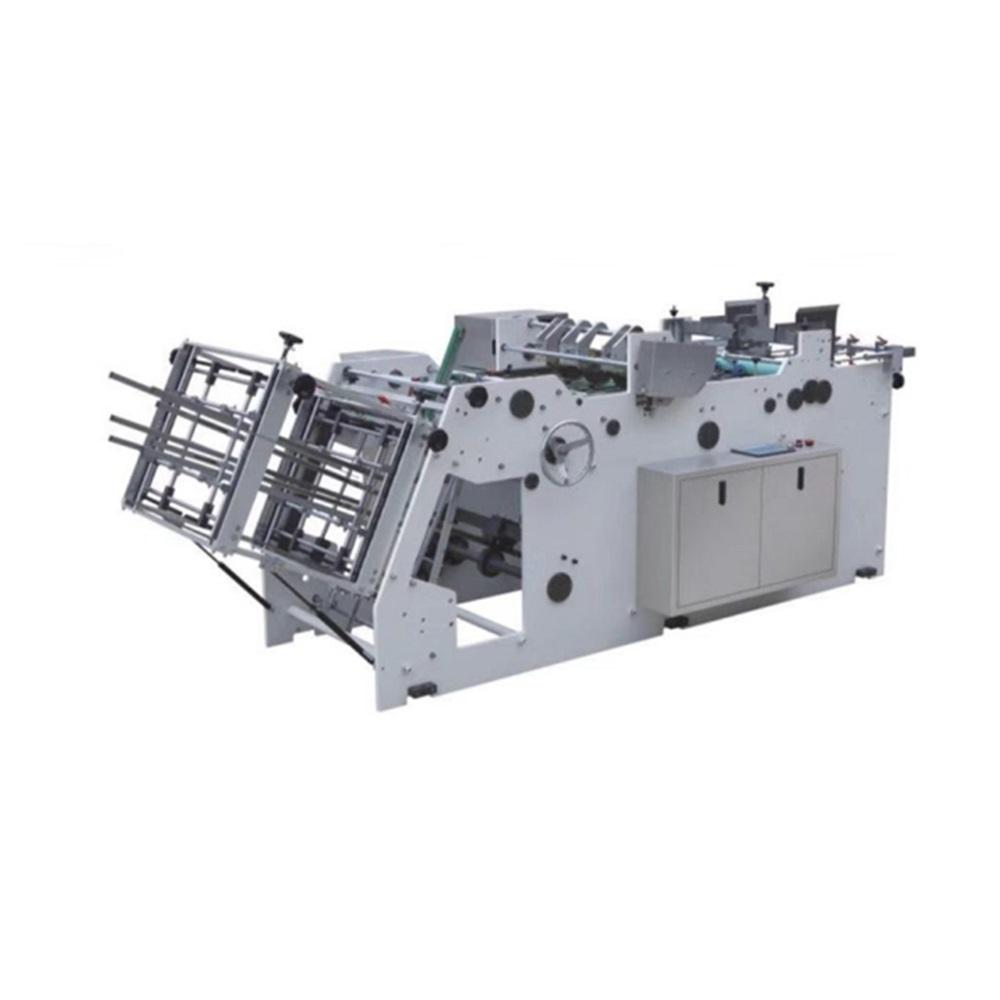
Our high-performance packaging equipment delivers precision and efficiency for industrial applications. Engineered with cutting-edge technology, these systems automate your packaging process while maintaining product integrity.
Key Features of Our Packaging Equipment
- Automation Grade: Fully automated operation with PLC control systems
- Speed Capacity: Processes 30-200 packages per minute depending on configuration
- Material Compatibility: Works with various packaging materials including PET, PP, and HDPE
- Precision Engineering: ±0.5mm packaging accuracy for consistent results
- Energy Efficiency: 30% less power consumption compared to conventional models
Technical Specifications
| Model | PM-300 | PM-450 | PM-600 |
|---|---|---|---|
| Packaging Speed | 30-60 packs/min | 50-100 packs/min | 80-200 packs/min |
| Power Requirement | 5.5 kW | 7.5 kW | 11 kW |
| Dimensions (L×W×H) | 2500×1200×1800mm | 2800×1500×1900mm | 3200×1800×2100mm |
| Weight | 1500 kg | 1800 kg | 2200 kg |
| Packaging Material Width | 150-300mm | 200-400mm | 250-500mm |
Packaging Equipment FAQ
What maintenance does packaging equipment require?
Our packaging equipment requires routine maintenance including daily cleaning of moving parts, weekly lubrication of mechanical components, and monthly inspection of electrical systems. We recommend replacing wear parts every 6-12 months depending on usage intensity. All maintenance procedures are detailed in the operator manual with suggested schedules.
How do I choose the right packaging equipment for my products?
Selecting appropriate packaging equipment depends on several factors: product characteristics (size, weight, fragility), required packaging speed, available space in your facility, and budget considerations. Our engineers can assess your specific needs and recommend suitable models. Key decision factors include packaging material type, production volume, and desired automation level.
Can your packaging equipment handle different package sizes?
Yes, our packaging equipment features adjustable components for handling various package dimensions. Changeover times typically range from 15-30 minutes depending on the model and package size difference. All standard models include quick-change tooling systems, and we offer optional automatic size adjustment systems for frequent changeover requirements.
Industry Applications
Our packaging equipment serves diverse industries with specialized solutions:
- Food & Beverage: Hygienic packaging lines meeting FDA standards
- Pharmaceutical: GMP-compliant systems with traceability features
- Cosmetics: Precision filling and elegant packaging solutions
- Industrial Goods: Heavy-duty packaging for durable products
Safety and Compliance Features
Emergency Stop System
Multiple accessible emergency stop buttons with fail-safe braking
Safety Interlocks
Guarded access points with door switches that halt operation when opened
CE Certification
All equipment meets European CE machinery safety standards
More Packaging Equipment Questions
What's the typical installation process for packaging equipment?
Installation involves several steps: site preparation including utility connections, equipment positioning and leveling, mechanical assembly if required, electrical connections, and system calibration. Our technicians typically complete installation in 3-5 working days depending on equipment complexity. We provide comprehensive site preparation guidelines before delivery.
How energy efficient is your packaging equipment?
Our latest generation packaging equipment incorporates energy-saving technologies including variable speed drives, optimized motor selection, and intelligent power management. Energy consumption is 20-30% lower than comparable models, with some systems qualifying for energy efficiency rebates in certain regions. Specific consumption data is available in the technical specifications for each model.
What training is provided for operating packaging equipment?
We offer comprehensive training programs covering equipment operation, routine maintenance, troubleshooting, and safety procedures. Training includes classroom instruction and hands-on practice with our certified trainers. All operators receive detailed operation manuals, and we provide video tutorials for ongoing reference. Additional training sessions can be scheduled as needed.