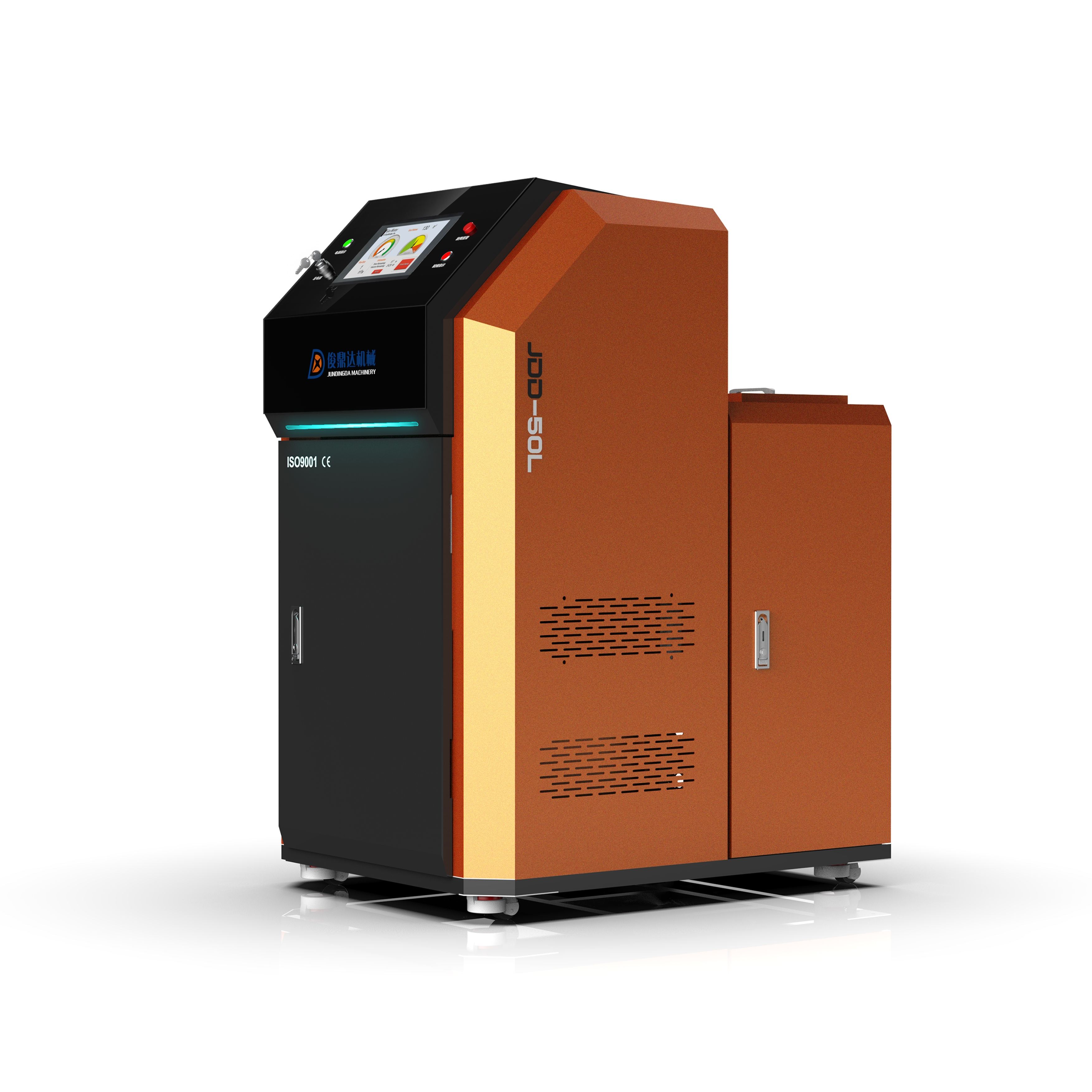
Electric Pump
High-Performance Electric Pump for All Your Needs
When it comes to reliable fluid transfer solutions, our premium Electric Pump stands out with its superior performance and durability. Designed for both residential and commercial applications, this pump delivers consistent results under various operating conditions.
Key Features of Our Electric Pump
- High-efficiency motor with thermal overload protection
- Corrosion-resistant stainless steel construction
- Self-priming capability up to 6 meters
- Automatic shut-off feature for dry run protection
- Low noise operation (below 60 dB)
- Energy-saving design with automatic power regulation
Detailed Technical Specifications
| Parameter | Specification |
|---|---|
| Power Rating | 1.5 HP (1100W) |
| Maximum Flow Rate | 50 liters per minute |
| Maximum Head | 35 meters |
| Voltage | 220-240V, 50/60Hz |
| Operating Temperature | -10°C to +60°C |
| Inlet/Outlet Diameter | 1 inch (25mm) |
Electric Pump FAQ Section
FAQ 1: What maintenance does an Electric Pump require?
Electric Pumps require minimal maintenance. We recommend checking the following every 3-6 months: Inspect for leaks, clean the intake filter, verify electrical connections are tight, and ensure proper lubrication of moving parts. For pumps used with corrosive liquids, more frequent inspection is advised.
FAQ 2: Can I use an Electric Pump for drinking water?
Yes, our Electric Pump models with food-grade stainless steel construction are specifically designed for potable water applications. These pumps meet all relevant health and safety standards. Always verify the specific model's certification before using with drinking water.
Installation Guidelines
Proper installation ensures optimal performance and longevity of your Electric Pump:
- Position the pump on a level, stable surface near the liquid source
- Install check valves to prevent backflow when the pump is off
- Use appropriately sized pipes to minimize friction loss
- Ensure proper electrical grounding according to local codes
- Prime the pump before first use as per manufacturer instructions
Performance Comparison
| Model | Flow Rate (L/min) | Maximum Head | Power Consumption |
|---|---|---|---|
| Standard Electric Pump | 30 | 25m | 750W |
| High-Performance Electric Pump | 50 | 35m | 1100W |
| Industrial Electric Pump | 80 | 50m | 2200W |
Electric Pump FAQ Section
FAQ 3: How do I troubleshoot reduced flow in my Electric Pump?
If your Electric Pump shows reduced flow, check these common issues: Clogged intake filter or pipe (clean or replace), air leaks in suction line (inspect connections), worn impeller (replace if damaged), or voltage fluctuations (verify stable power supply). For persistent issues, consult a professional technician.
Application Scenarios
Our Electric Pumps are versatile enough for numerous applications:
- Residential water supply and pressure boosting
- Garden irrigation and agricultural watering systems
- Industrial process liquid transfer
- Swimming pool and fountain circulation
- Boat bilge pumping and marine applications
Safety Features
The Electric Pump includes multiple safety mechanisms:
- Thermal cut-off to prevent motor burnout
- Automatic dry-run protection
- Double-insulated electrical components
- Over-current protection circuit
Warranty and Support
All our Electric Pumps come with a comprehensive 3-year manufacturer's warranty covering defects in materials and workmanship. Our technical support team is available to assist with installation guidance and troubleshooting.
Electric Pump FAQ Section
FAQ 4: What's the expected lifespan of an Electric Pump?
With proper maintenance and under normal operating conditions, a quality Electric Pump typically lasts 8-12 years. Industrial-grade models may last even longer. Factors affecting lifespan include operating hours, liquid characteristics, maintenance frequency, and environmental conditions.
FAQ 5: Can the Electric Pump handle viscous liquids?
Standard Electric Pumps are designed for low-viscosity fluids (similar to water). For thicker liquids (above 50 cSt viscosity), we recommend special models with modified impellers and more powerful motors. Always check the liquid compatibility with pump materials.
Choosing the Right Electric Pump
Consider these factors when selecting an Electric Pump:
- Required flow rate and pressure (head)
- Type of liquid being pumped (viscosity, temperature, chemical properties)
- Power availability and electrical specifications
- Installation environment (indoor/outdoor, temperature extremes)
- Noise level restrictions
Energy Efficiency Benefits
Modern Electric Pumps offer significant energy savings:
- Variable speed models can reduce power consumption by up to 40%
- Efficient motor designs minimize energy losses
- Smart controllers optimize performance based on demand