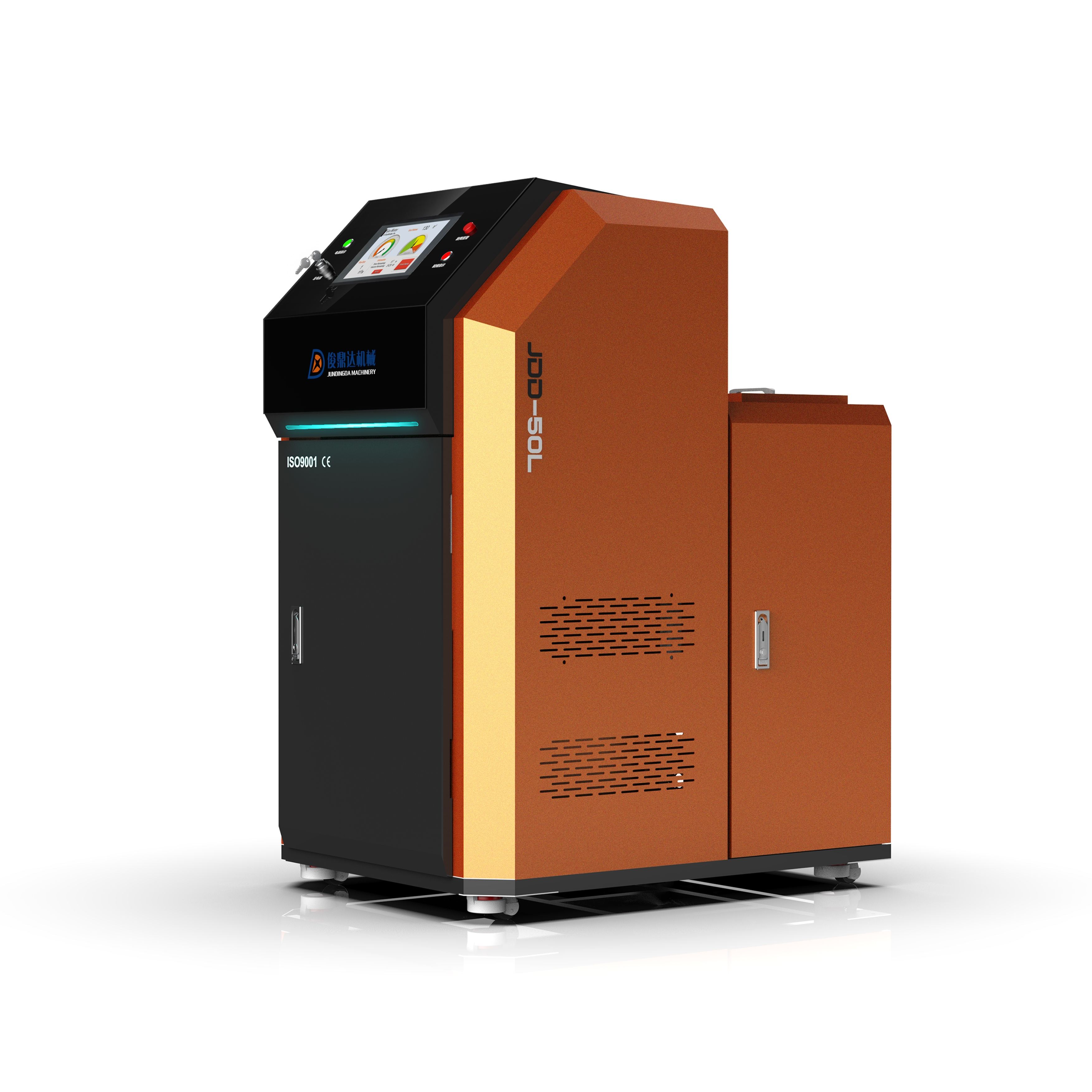
The Ultimate Guide to Industrial and Commercial Pumps
Pumps play a critical role in various industries, from water management to oil and gas operations. Understanding the different types of pumps and their specifications is essential for selecting the right equipment for your needs.
Types of Pumps We Offer
- Centrifugal Pumps - Ideal for transferring low viscosity fluids
- Positive Displacement Pumps - Perfect for high viscosity liquids
- Submersible Pumps - Designed for underwater operations
- Diaphragm Pumps - Excellent for handling corrosive materials
- Gear Pumps - Suitable for high-pressure applications
Technical Specifications of Our Premium Pumps
| Model | Flow Rate (GPM) | Max Pressure (PSI) | Power (HP) | Material |
|---|---|---|---|---|
| CP-200 | 150 | 100 | 5 | Stainless Steel |
| PD-450 | 75 | 250 | 7.5 | Cast Iron |
| SUB-1000 | 300 | 150 | 10 | Corrosion-resistant Polymer |
Pumps FAQ Section 1: Basic Operations
Q: How often should industrial pumps be maintained?
A: Pumps require regular maintenance every 3-6 months, depending on usage intensity. Critical components like seals and bearings should be inspected monthly for wear and tear to prevent unexpected failures.
Q: What's the average lifespan of commercial pumps?
A: Well-maintained pumps typically last 7-10 years. However, this varies significantly based on operating conditions, fluid characteristics, and maintenance schedules. Corrosive environments may reduce lifespan by 30-40%.
Advanced Pump Features
- Smart monitoring systems with IoT connectivity
- Energy-efficient motor designs that reduce power consumption by up to 25%
- Self-priming capabilities for easier startup
- Variable speed drives for precise flow control
- Explosion-proof models for hazardous environments
Pumps FAQ Section 2: Selection Criteria
Q: How do I choose the right pump for my application?
A: Selecting pumps requires evaluating several factors: flow rate requirements, system pressure, fluid characteristics (viscosity, temperature, corrosiveness), available space, and power supply. Always consult with our engineering team for complex applications.
Q: What's the difference between single-stage and multi-stage pumps?
A: Single-stage pumps use one impeller and are suitable for moderate pressure applications. Multi-stage pumps contain multiple impellers in series, making them ideal for high-pressure requirements like boiler feed systems or reverse osmosis plants.
Installation Guidelines
- Ensure proper alignment of pump and motor
- Follow manufacturer-specified piping configurations
- Verify adequate NPSH (Net Positive Suction Head) availability
- Implement vibration isolation when necessary
- Establish proper foundation and support structures
Pumps FAQ Section 3: Troubleshooting
Q: What causes excessive vibration in pumps?
A: Common causes include misalignment, unbalanced impellers, bearing wear, cavitation, or improper foundation. Vibration analysis can pinpoint specific issues before they lead to catastrophic failure.
Q: Why is my pump losing prime?
A> Priming issues in pumps often stem from air leaks in suction lines, worn mechanical seals, inadequate liquid level in the source, or clogged inlet strainers. Systematic inspection can identify and resolve these problems.
Maintenance Best Practices
| Component | Inspection Frequency | Maintenance Action |
|---|---|---|
| Seals | Monthly | Check for leaks and wear |
| Bearings | Quarterly | Lubricate and test for noise |
| Impeller | Annually | Inspect for erosion and balance |
| Motor | Biannually | Check winding resistance and alignment |
Our pumps are engineered for reliability and performance across diverse industrial applications. With proper selection, installation, and maintenance, they deliver exceptional service life and operational efficiency.